

 English
 русский
 Français
 Español
-
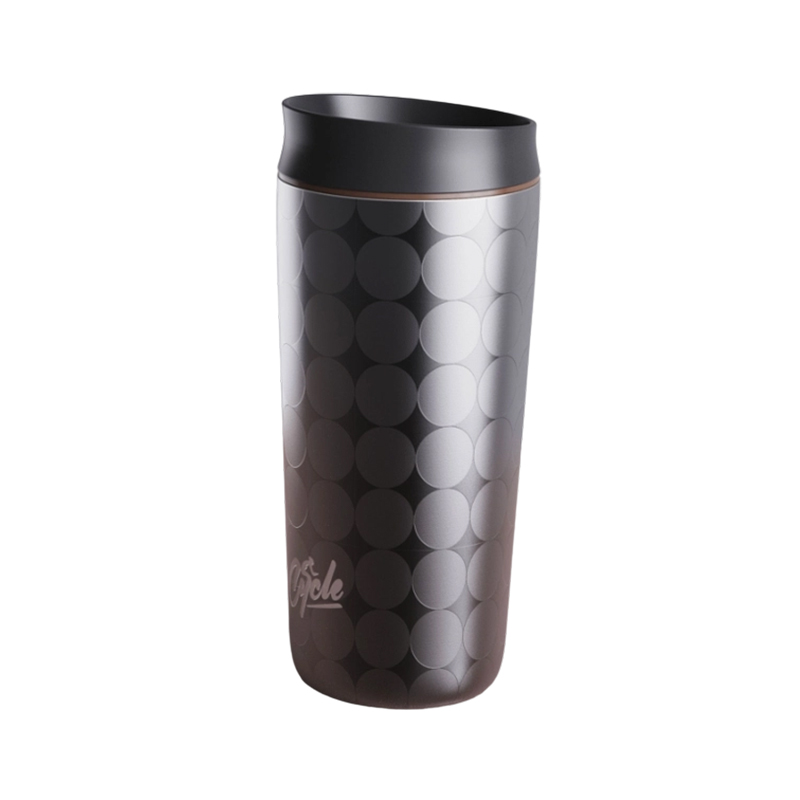 Switchable Dual-Function Lid Coffee Mug
-
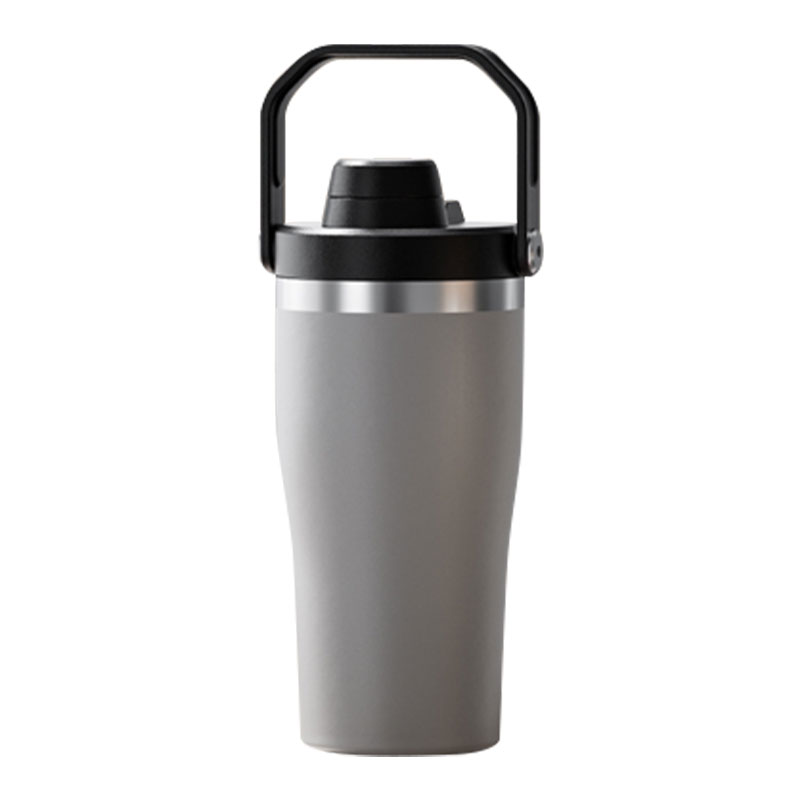 Portable Stainless Steel Mini Ice Bucket
-
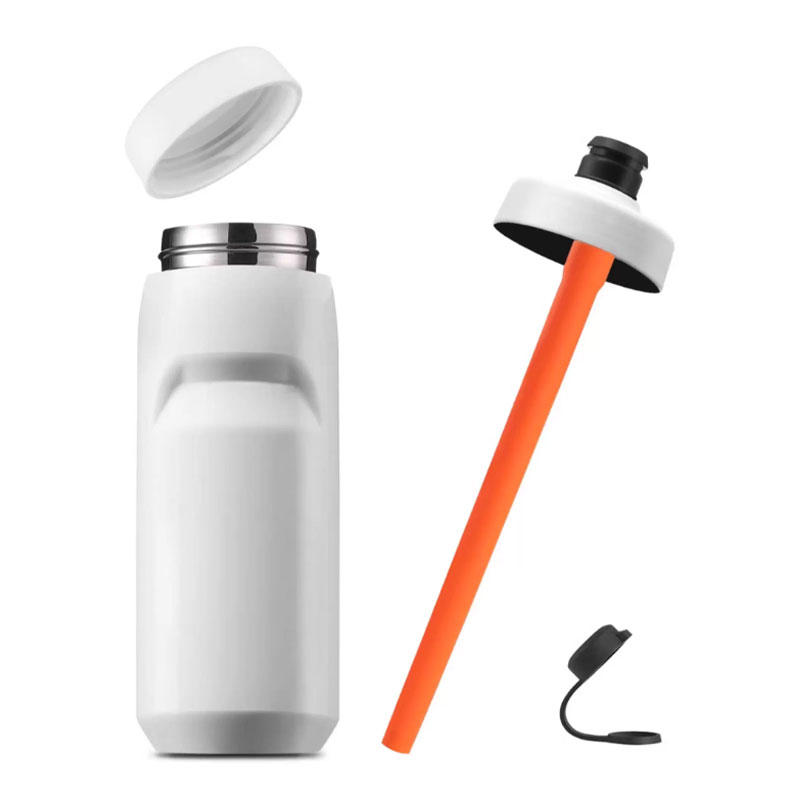 Concave-Designed Sports Water Bottle
-
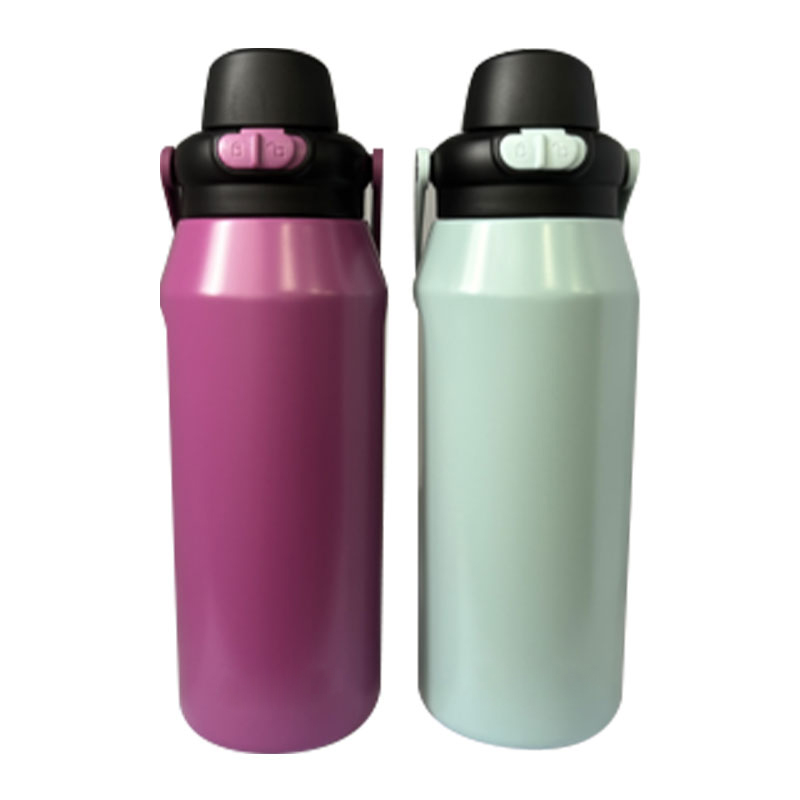 Wide-Mouth Flip Lid Sports Bottle
-
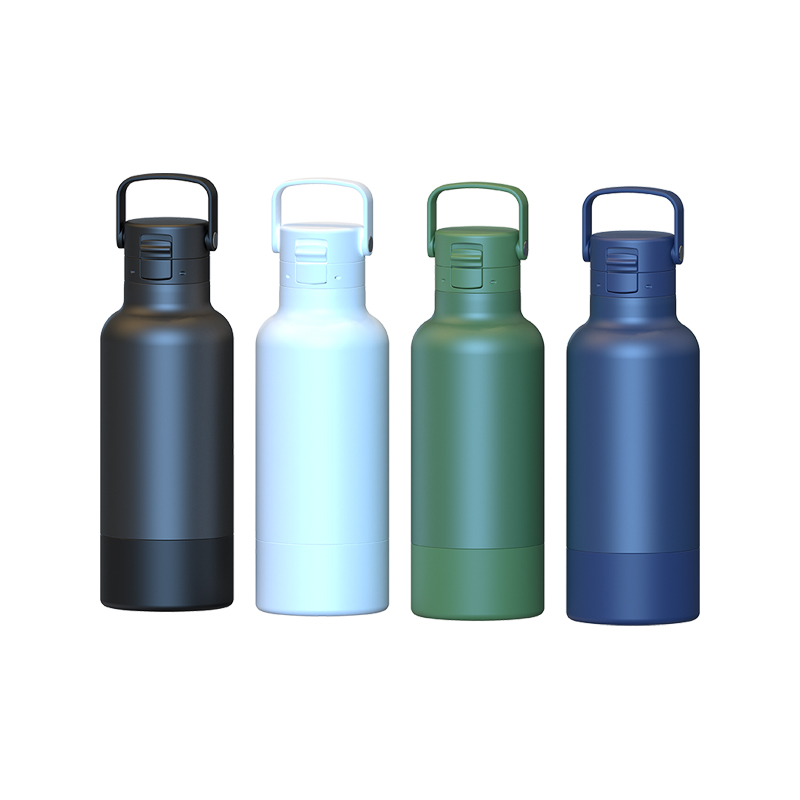 750ml Stainless Steel Flask Foldable Handle Portable Camping Sports Water Bottle
-
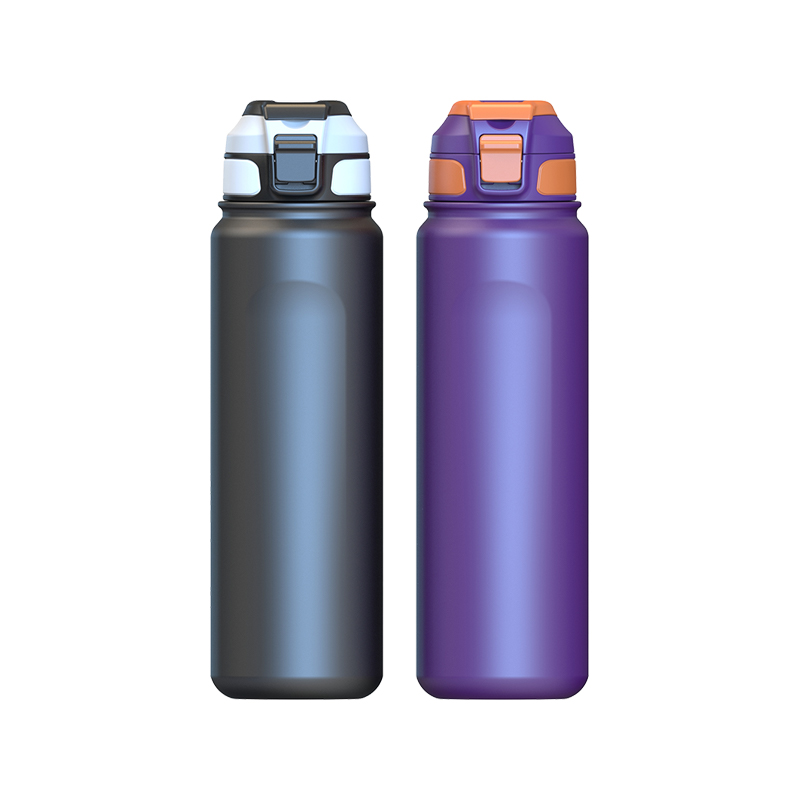 700ml Stainless Steel Sports Fitness Insulated Water Bottle With Portable Drink Lid Multifunctional Straw Thermos Cup
-
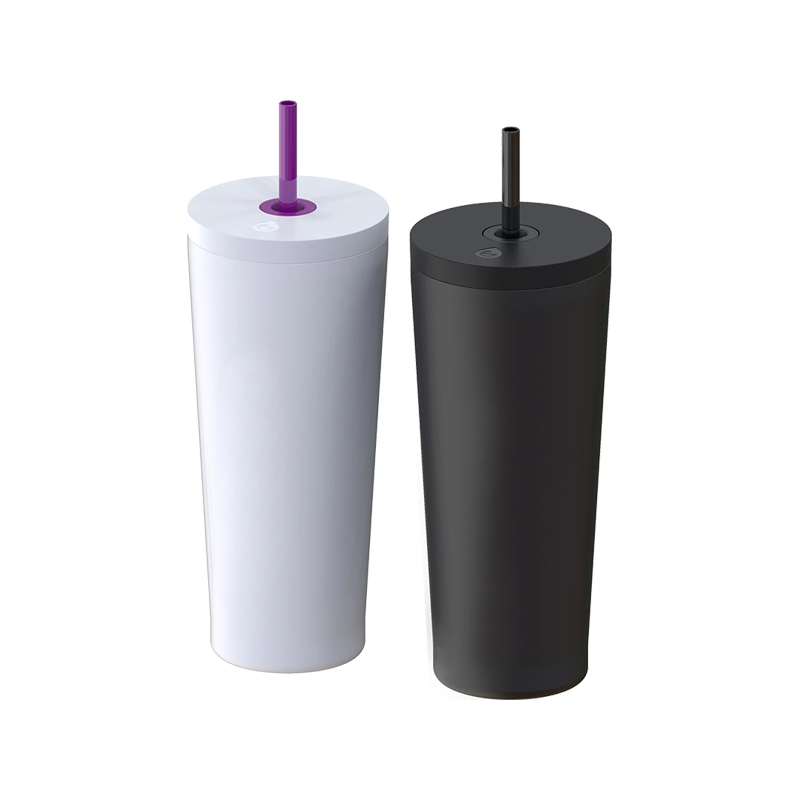 24oz Double Layer 304 Stainless Steel Travel Vacuum Insulated Tumbler 700ml Drink Straw Cup With Internal Screw Cover
-
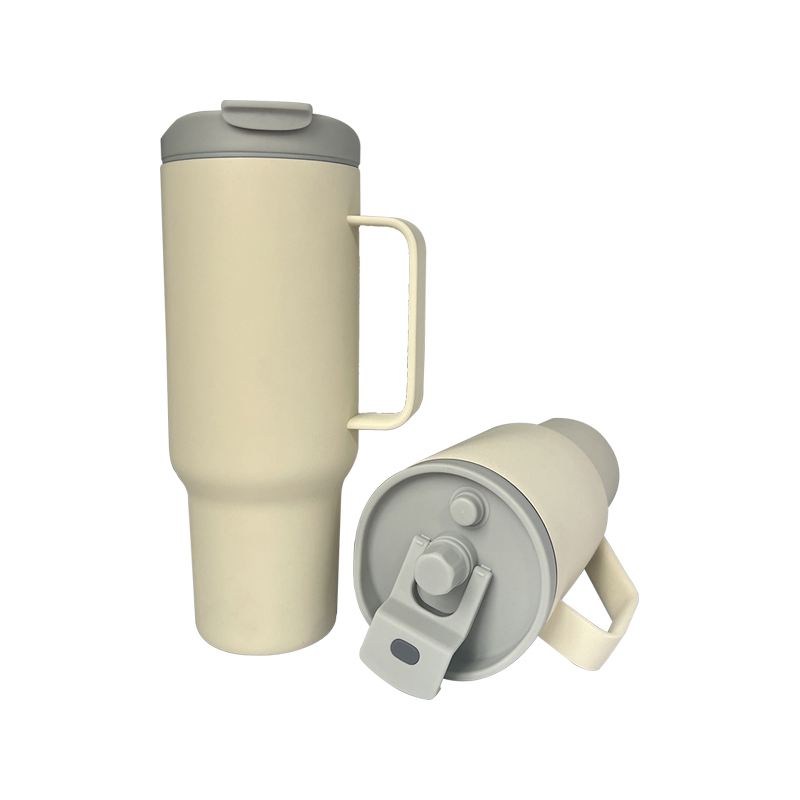 40oz 1200ml Double Wall Stainless Steel Travel Vacuum Insulated Tumbler with Double Magnetic Attraction Lid
Kids Water Bottle Aids Daily Hydration
Kids water bottle has become a staple item in school backpacks and family homes, as parents and teachers increasingly emphasize the importance of keeping children hydrated throughout the day. What was once a simple plastic container has evolved into a product category filled with choices in materials, sizes, spout designs, and cleaning requirements.
The shift toward regular water drinking among children has been encouraged by health professionals who note that even mild dehydration can affect a child's energy and focus. A kids water bottle carried to school, sports practice, or playground visits ensures that water is always available. Unlike disposable cups or single-use plastic bottles, a reusable kids water bottle reduces waste while providing a familiar drinking vessel that a child can recognize and use independently.
Material choice is one of the decisions parents face. Stainless steel bottles keep drinks cold for hours and resist breaking when dropped. Plastic bottles are lighter and less expensive but may show scratches over time. Some parents prefer bottles made from other materials that avoid certain chemical concerns, though many standard plastic options meet current safety guidelines. Each material has trade-offs in weight, durability, and cost.
The spout or straw mechanism deserves close attention. Younger children often struggle with screw-top lids, so many kids water bottle designs feature push-button openings, flip straws, or bite valves. These mechanisms allow a child to drink with one hand while walking or playing. However, more complex spouts have more small parts that need cleaning. A simple screw-top lid with a pop-up spout may be easier to wash than a bottle with a built-in straw and multiple seals.
Leak resistance is a top priority for parents. A kids water bottle that leaks inside a backpack can ruin homework, soak electronic devices, and create a mess that takes time to clean. Many bottles now include silicone gaskets and locking lids to prevent accidental opening. Parents often test a new bottle by filling it with water, closing it tightly, and turning it upside down over the sink before trusting it in a school bag.
Cleaning is another practical concern. A kids water bottle used daily can develop odors or residue if not washed properly. Bottles with wide mouths allow a sponge or brush to reach the inside easily. Narrow bottles or those with complex straw systems require special cleaning tools. Many parents keep two bottles per child, rotating them so one can air dry completely while the other is in use.
The popularity of personalized kids water bottle options has grown as well. Name labels, sticker sets, and interchangeable bands help children identify their own bottle among many similar ones at school or day care. Some bottles come with clip-on carabiners or carrying loops that attach to backpack straps, making them harder to lose.
Despite the many choices, a simple truth remains. A child will not drink from a kids water bottle that is difficult to open, unpleasant to drink from, or left dirty at the bottom of a backpack. The ideal bottle is the one a child actually uses. Parents have learned to involve their children in choosing a bottle, letting them pick a color or character design that makes drinking water feel like a small treat rather than a chore.
As another school year gets underway, millions of parents will fill a kids water bottle each morning, snap the lid closed, and tuck it into a backpack. It is a small routine, but one that supports health, independence, and peace of mind.
-
Tel
+86-579-87252573
-
Fax
+86-579-87510911
-
Mobile
+86-15157970274
Follow
Factory Address
NO.3 Weier East Road, Hardware Industrial Zone, Tongqin Town, Wuyi County, Jinhua City, Zhejiang Province, China
If You Have Any Query
Send Message
Copyright © Zhejiang Linghong lndustry & Trade Co., Ltd. All Rights Reserved.

Stainless Steel Bottle Factory