

 English
 русский
 Français
 Español
-
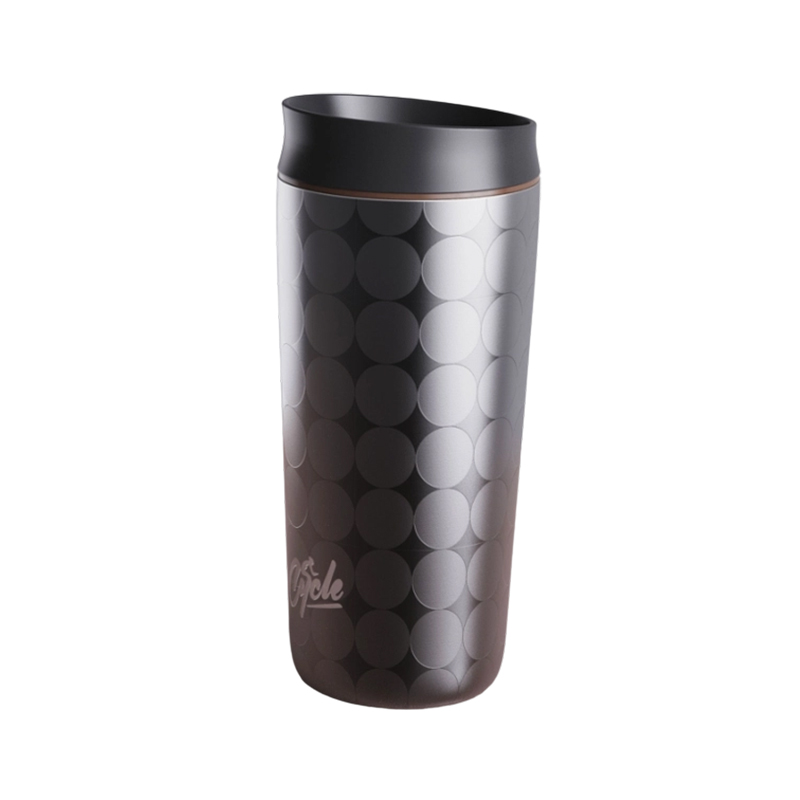 Switchable Dual-Function Lid Coffee Mug
-
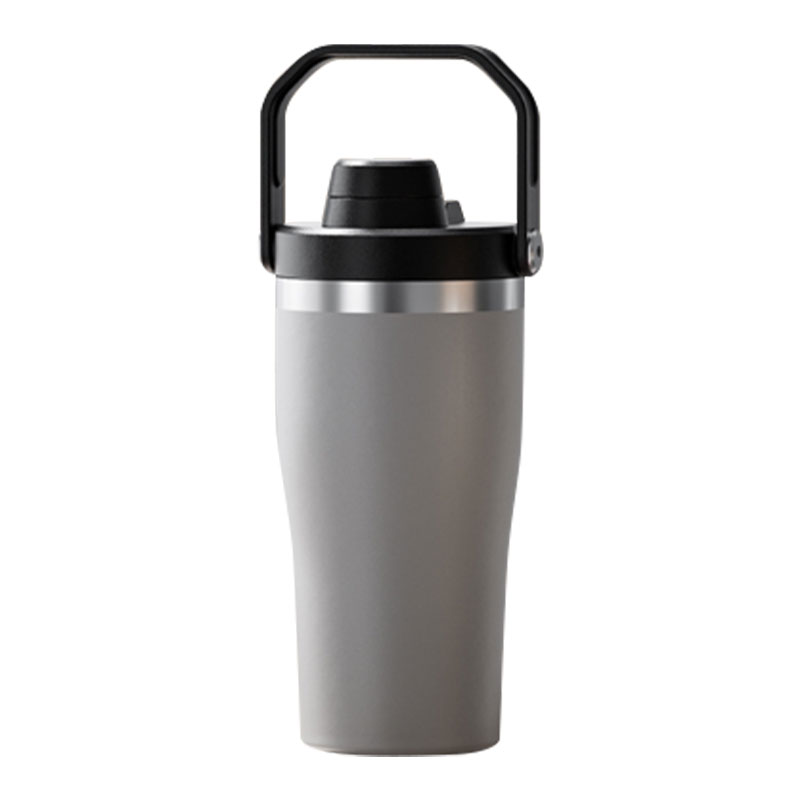 Portable Stainless Steel Mini Ice Bucket
-
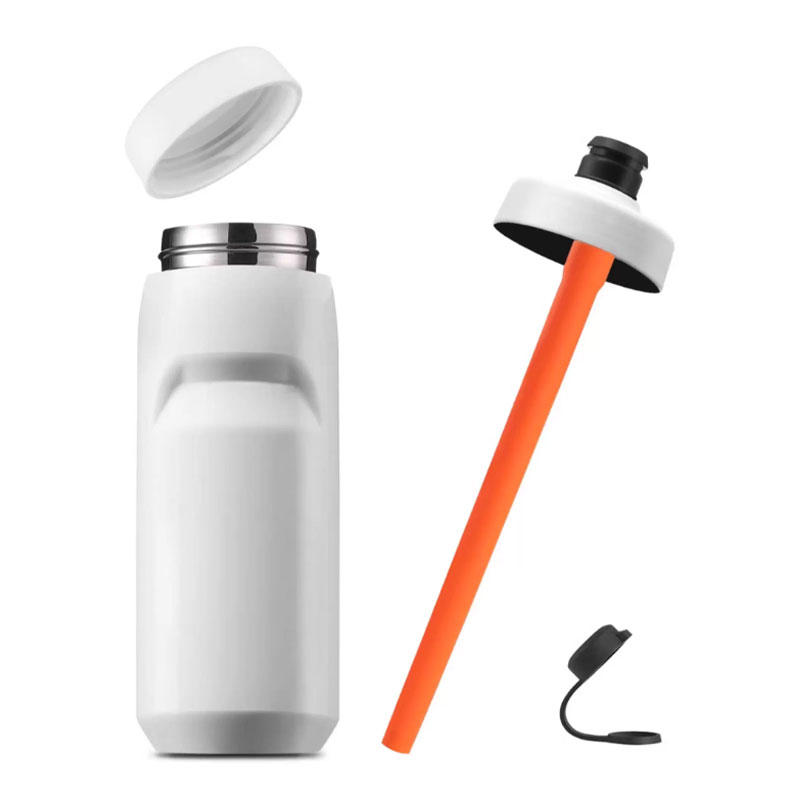 Concave-Designed Sports Water Bottle
-
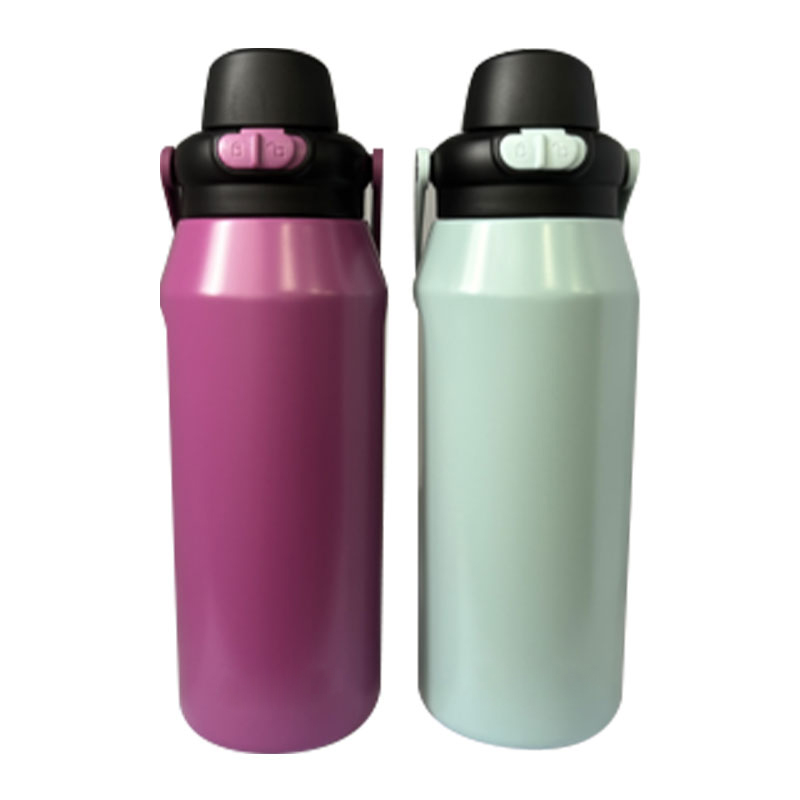 Wide-Mouth Flip Lid Sports Bottle
-
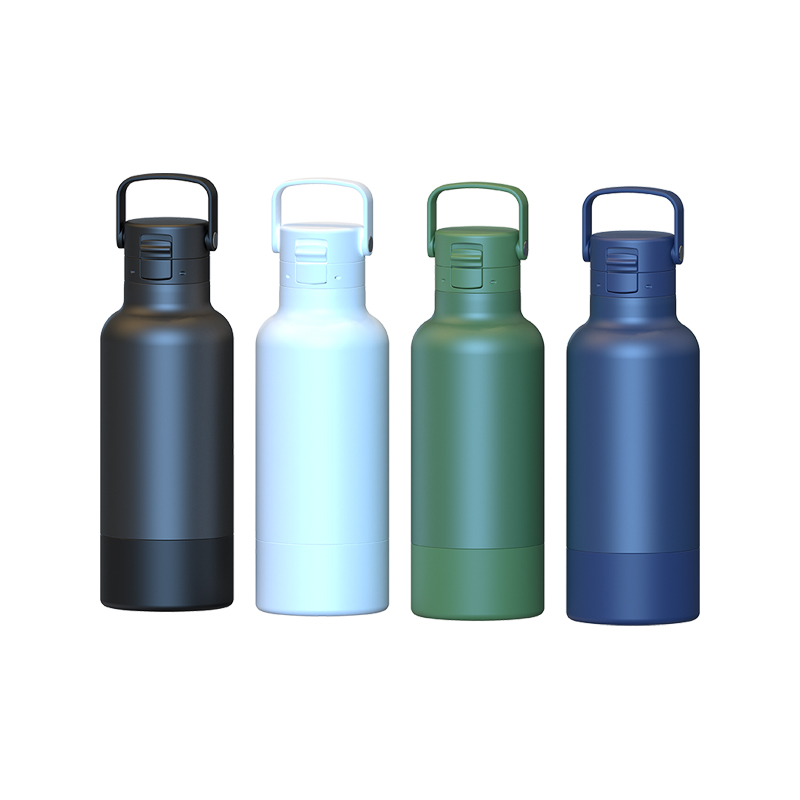 750ml Stainless Steel Flask Foldable Handle Portable Camping Sports Water Bottle
-
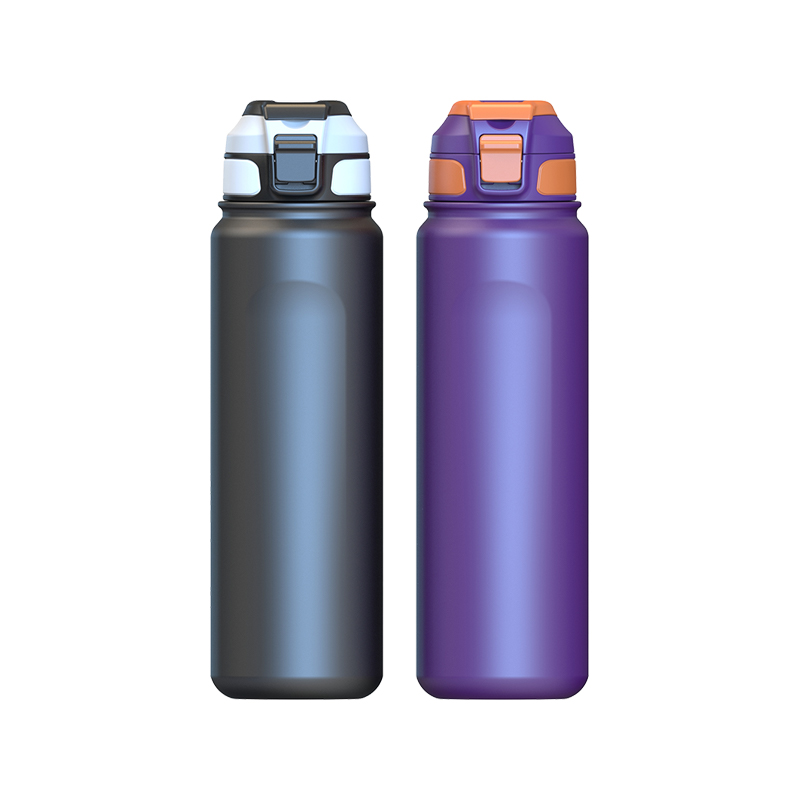 700ml Stainless Steel Sports Fitness Insulated Water Bottle With Portable Drink Lid Multifunctional Straw Thermos Cup
-
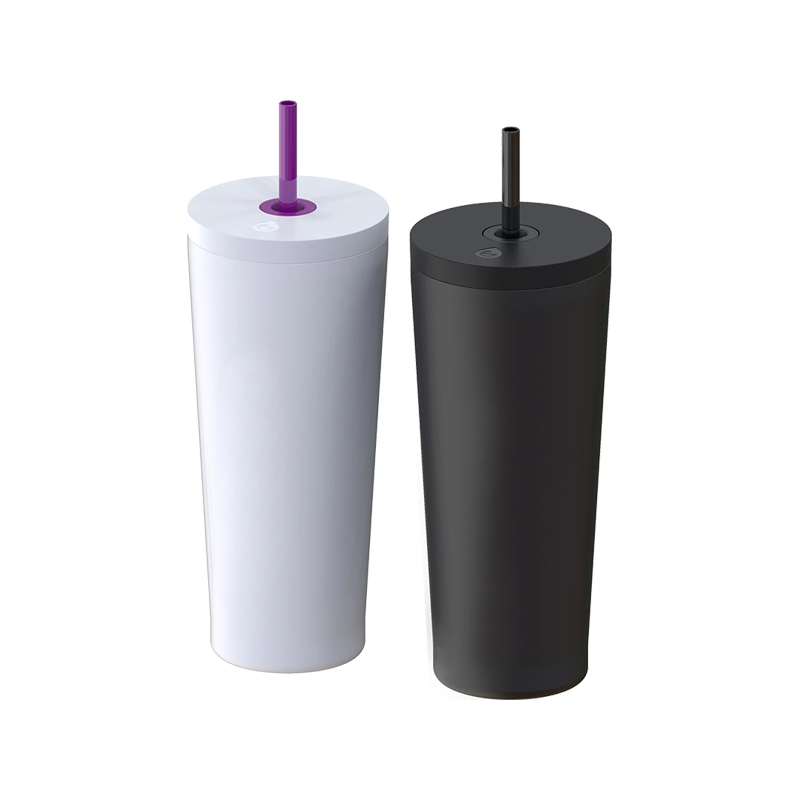 24oz Double Layer 304 Stainless Steel Travel Vacuum Insulated Tumbler 700ml Drink Straw Cup With Internal Screw Cover
-
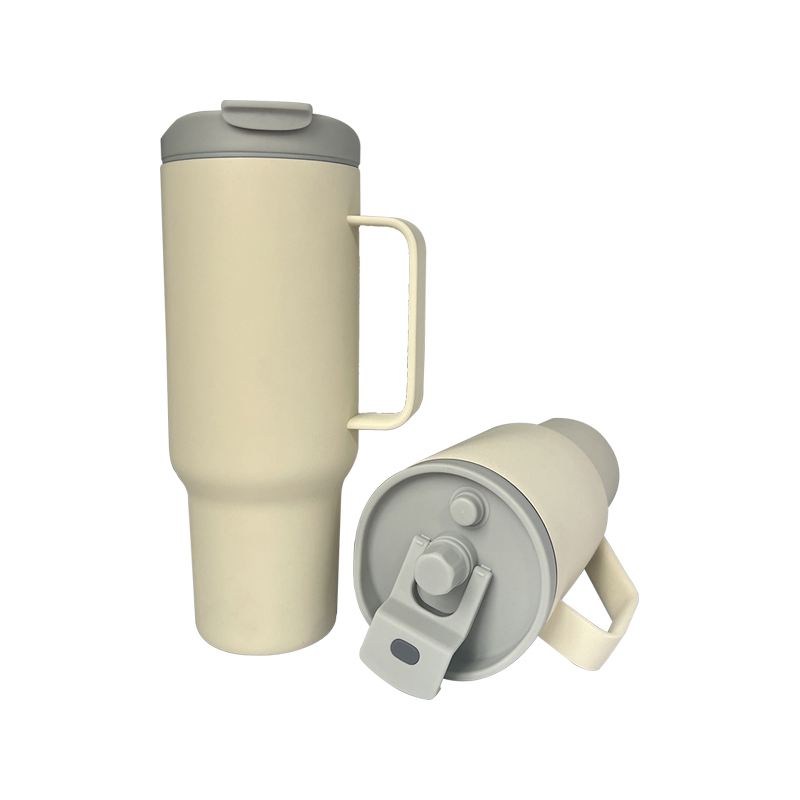 40oz 1200ml Double Wall Stainless Steel Travel Vacuum Insulated Tumbler with Double Magnetic Attraction Lid
Silicone Straw Cup Production Depends on Component Coordination
A reusable children's cup is made up of several parts that need to work together as one product. The cup body, drinking straw, and lid each serve a different function, but their dimensions and material properties must remain compatible after assembly. For importers, drinkware wholesalers, and private-label brands, a Silicone Straw Cup therefore involves more than selecting a material or choosing a lid style. Component coordination also affects product consistency, packaging, and repeat orders.
Zhejiang Linghong Industry & Trade Co., Ltd. lists a transparent children's straw cup with a bouncing lid in its product range. Its combination of a transparent appearance, a straw, and a movable lid provides a useful example of how individual components need to be considered together when preparing a drinkware product for commercial supply.
Material Records Should Identify Each Component
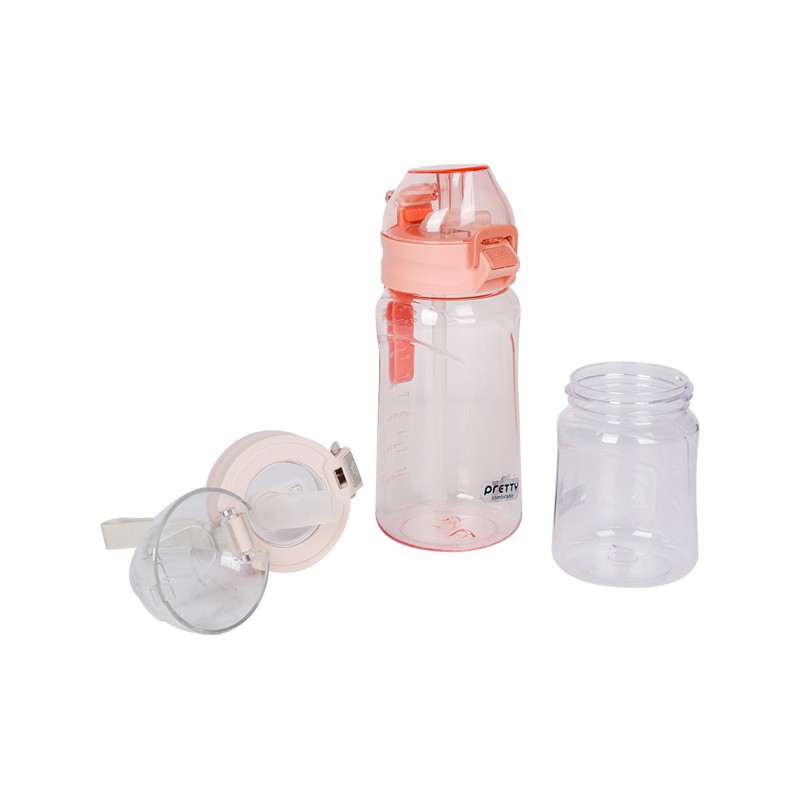
A product described as a silicone cup may include other materials in its assembled construction. The body, straw, lid, and sealing parts should not automatically be assumed to use the same material. For buyers developing a Silicone Straw Cup range, identifying the material used in each component helps create a clearer technical record.
Material information should be specific enough to distinguish the main body from the drinking components and lid assembly. This is especially relevant when the product combines a flexible silicone element with a transparent body. The exact material of each part should be confirmed against the manufacturer's product information rather than inferred from the overall product name.
For private-label programs, consistent material descriptions also matter across product listings, packaging, and purchasing documents. If a material changes between versions, the updated information should be recorded before the revised product is approved for sale.
Straw and Lid Must Work as a Connected Assembly
The straw and lid form a functional connection rather than two independent accessories. Their dimensions and positions need to correspond so that the straw can be fitted and used as intended. A bouncing-lid mechanism also introduces moving parts that must be accommodated within the lid structure.
When sourcing a Silicone Straw Cup, buyers should confirm the straw's material, dimensions, attachment arrangement, and relationship with the lid. The lid opening and straw position should be checked together on the assembled sample, not evaluated only from separate component drawings.
This coordination is relevant when a manufacturer supplies several cup versions with different capacities or lid options. A lid that fits one body configuration should not automatically be assumed to fit every variation. Recording the approved component combination helps avoid confusion when similar products are grouped under one catalogue category.
Transparency Creates Its Own Product Requirements
A transparent cup body makes the remaining liquid visible, but transparency alone does not identify the material or establish its suitability for the intended application. Buyers need to confirm the body material separately and ensure that the product description accurately reflects the supplied construction.
For a Silicone Straw Cup, the transparent body and colored or flexible accessories may also be listed as separate variants. If a brand offers several color combinations, each approved combination should be identifiable in product records and order documents. This helps purchasing teams distinguish between similar items without relying solely on product photographs.
Manufacturers and buyers should also agree on how product appearance is represented in catalogues. Photographs, color references, and sample approvals can provide a common reference when multiple variants are prepared for wholesale distribution. Any change to the body appearance or accessory color should be recorded against the relevant product version.
Batch Consistency Starts With an Approved Sample
An approved sample establishes the reference for the assembled product. It can be used to confirm the relationship between the cup body, straw, lid, and other supplied components before a larger order proceeds.
For a Silicone Straw Cup, the review should cover the fit between parts, the operation of the lid, and the correspondence between the sample and the agreed product description. Where material information or dimensions are important to the order, those details should be documented rather than left to visual comparison alone.
Repeat orders also benefit from a stable reference. If the straw, lid, body, or color combination changes, the buyer should confirm whether the revised version requires another review. Keeping the approved configuration identifiable helps both the manufacturer and the purchasing team distinguish an established product from a new variation.
Product Data Supports Wholesale Replenishment
A drinkware product may appear under several names across a manufacturer's catalogue, a distributor's inventory system, and a retailer's listing. Consistent product records help connect these different descriptions to the same physical item.
When ordering a Silicone Straw Cup, B2B buyers can maintain a product record that identifies the body material, straw specification, lid type, color combination, packaging arrangement, and approved version. The precise details should follow the confirmed product configuration, with any unverified information left out until the manufacturer provides it.
This approach is particularly useful for distributors managing several children's drinkware products with similar shapes but different components. Clear variant identification helps with stock replenishment, product listing updates, and communication about repeat orders.
For manufacturers supplying private-label and wholesale customers, component-level records create a consistent reference from sample approval to batch production. A Silicone Straw Cup can then be managed as a defined assembled product, with its materials, functional parts, and commercial variants documented together rather than treated as unrelated details.
-
Tel
+86-579-87252573
-
Fax
+86-579-87510911
-
Mobile
+86-15157970274
Follow
Factory Address
NO.3 Weier East Road, Hardware Industrial Zone, Tongqin Town, Wuyi County, Jinhua City, Zhejiang Province, China
If You Have Any Query
Send Message
Copyright © Zhejiang Linghong lndustry & Trade Co., Ltd. All Rights Reserved.

Stainless Steel Bottle Factory