

 English
 русский
 Français
 Español
-
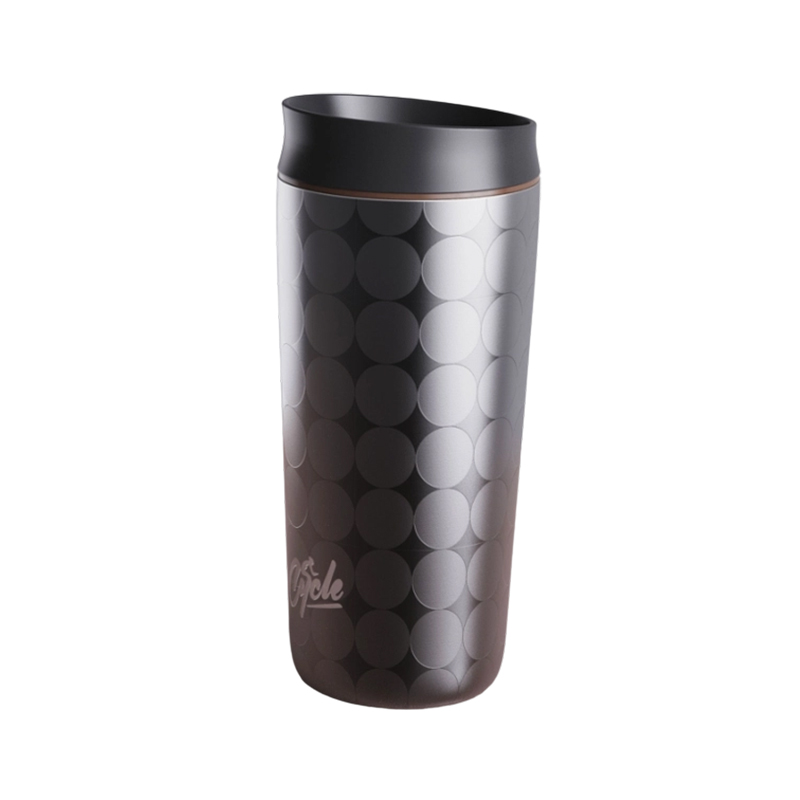 Switchable Dual-Function Lid Coffee Mug
-
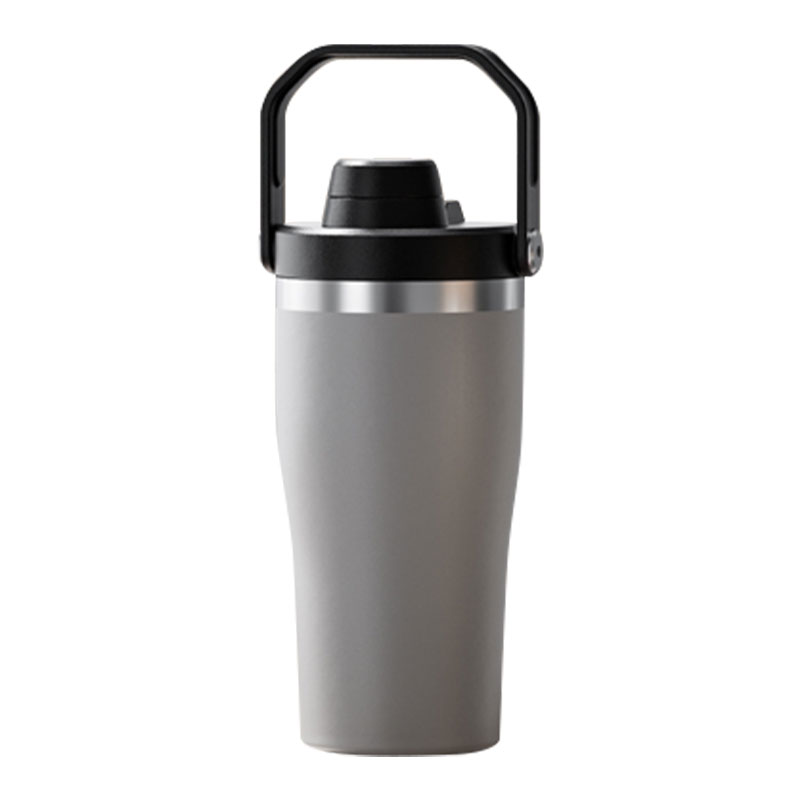 Portable Stainless Steel Mini Ice Bucket
-
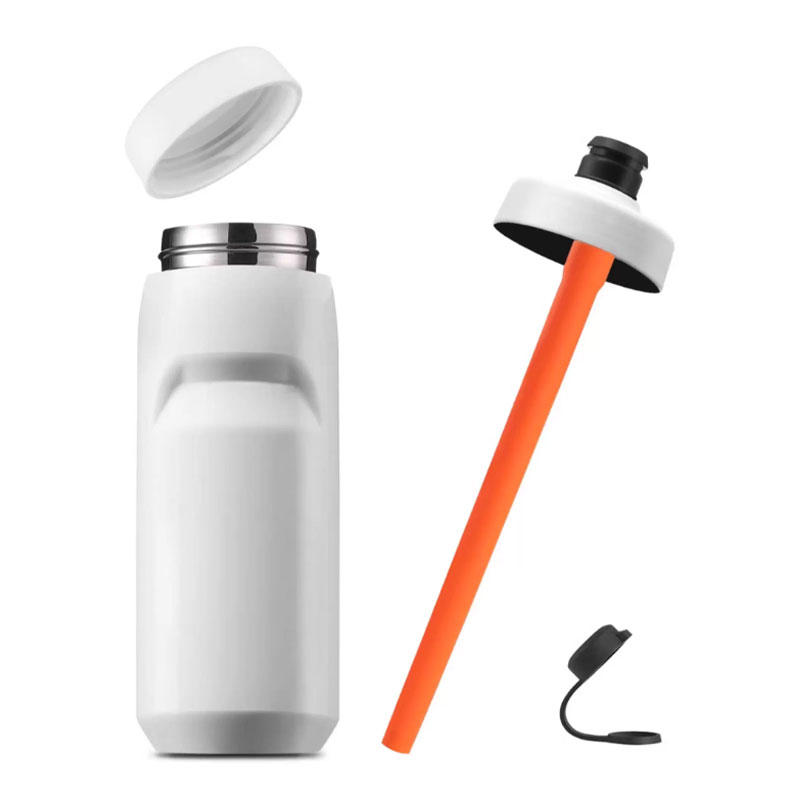 Concave-Designed Sports Water Bottle
-
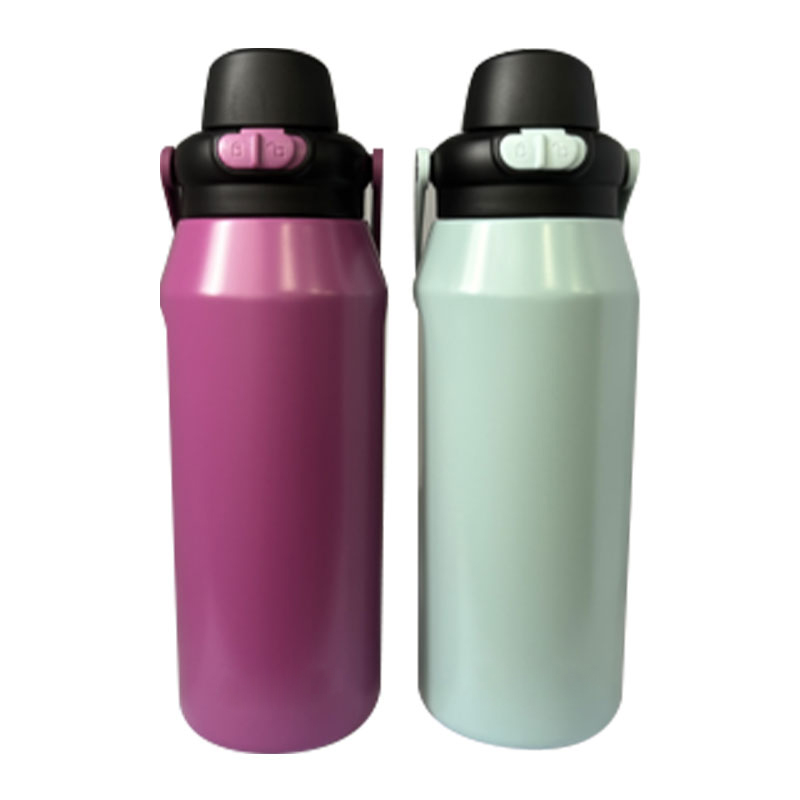 Wide-Mouth Flip Lid Sports Bottle
-
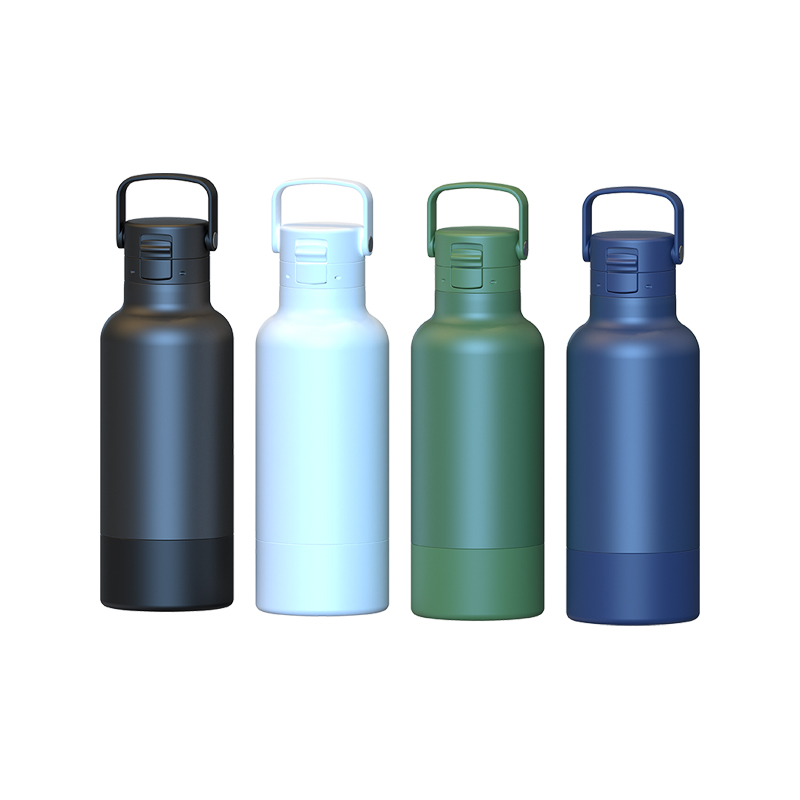 750ml Stainless Steel Flask Foldable Handle Portable Camping Sports Water Bottle
-
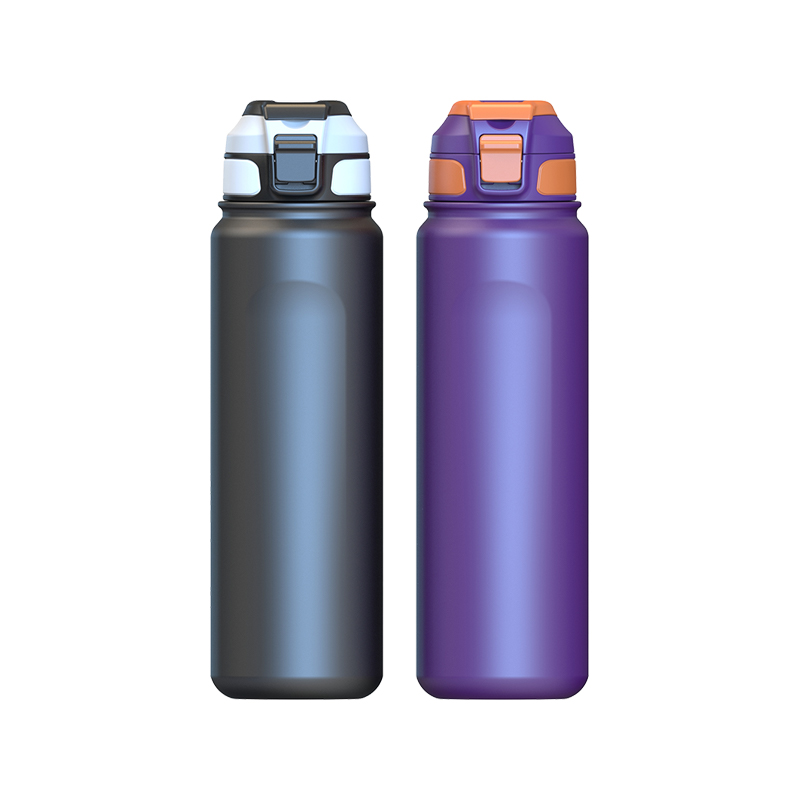 700ml Stainless Steel Sports Fitness Insulated Water Bottle With Portable Drink Lid Multifunctional Straw Thermos Cup
-
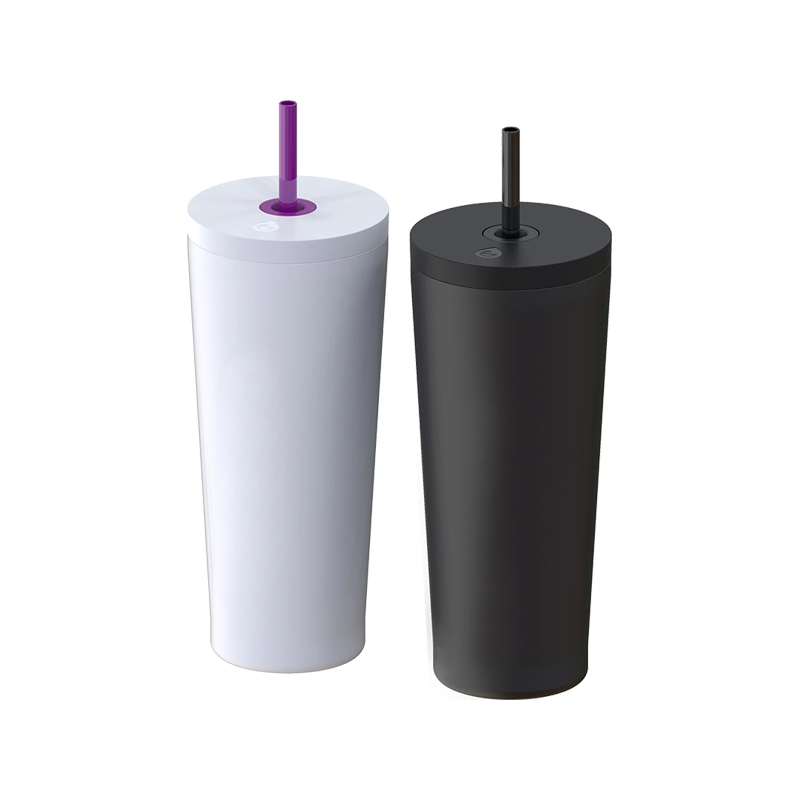 24oz Double Layer 304 Stainless Steel Travel Vacuum Insulated Tumbler 700ml Drink Straw Cup With Internal Screw Cover
-
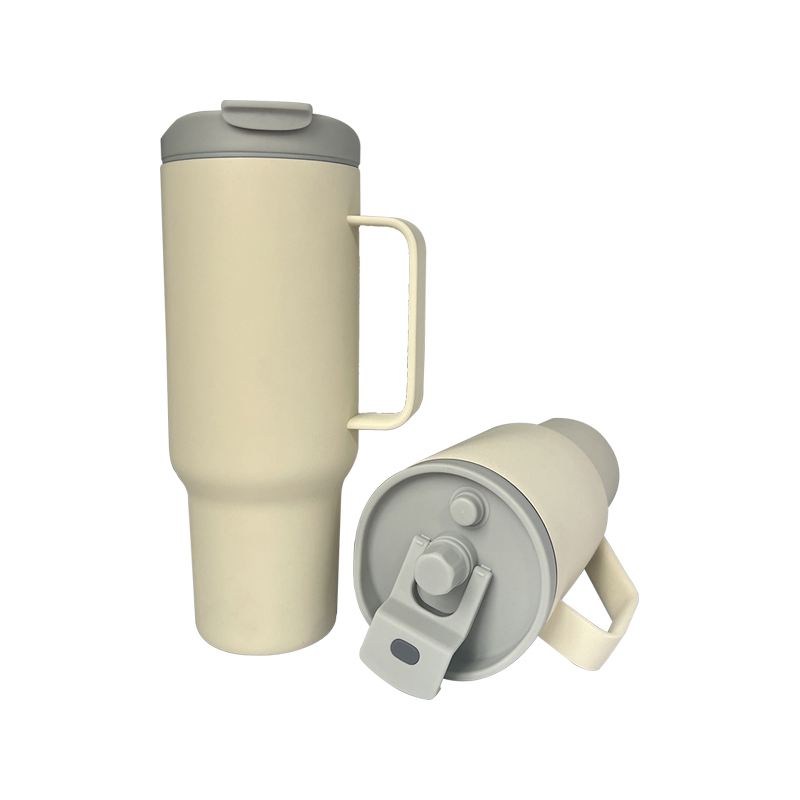 40oz 1200ml Double Wall Stainless Steel Travel Vacuum Insulated Tumbler with Double Magnetic Attraction Lid
Car Tea Cup Quality Traces Back to Lid Seal Design
A car tea cup that leaks onto a driver's console during a highway merge generates far more return complaints than one with a slightly duller finish, and yet many buyers comparing supplier quotes still spend more time evaluating exterior color options than the lid mechanism that actually determines whether the product survives daily use in a moving vehicle.
Lid Seal Geometry Determines Real-World Leak Resistance
A car tea cup built for the automotive market needs a lid seal engineered for sustained vibration and repeated tilting, conditions a countertop mug never encounters. Gasket compression that looks adequate on a stationary test bench can loosen slightly under the constant low-frequency vibration of a moving car, and a seal that isn't over-engineered for that specific stress pattern eventually starts weeping liquid around the rim during a sharp turn or sudden stop. Buyers sourcing for automotive retail or fleet gifting programs should ask suppliers whether seal testing includes simulated vibration cycles, not just a static drop-and-pour test performed once at the factory bench.
Base Diameter Has to Match Cup Holder Tolerance, Not Just Aesthetics
Car cup holder compatibility gets treated as a secondary detail in many product listings, even though a cup that sits loosely in a holder rattles constantly on rough roads and eventually cracks at the base from repeated impact against the holder wall. Vehicle cup holder diameters vary more than buyers expect across manufacturers and model years, and a car tea cup built around a single generic base diameter fits some vehicles snugly while sitting noticeably loose in others. Manufacturers offering a slightly tapered base design, rather than a uniform cylindrical profile, tend to accommodate a wider range of holder diameters without buyers needing to specify vehicle make and model at the ordering stage.
|
Design Factor |
Standard Cylindrical Base |
Tapered Base Design |
|
Fit across cup holder sizes |
Narrower compatible range |
Broader compatible range |
|
Rattle risk on rough roads |
Higher if holder is oversized |
Lower, self-centers in typical holders |
|
Manufacturing complexity |
Simpler tooling |
Slightly more complex mold |
|
Buyer sizing guidance needed |
More detailed |
Less detailed |
Stainless Steel Grade Affects Insulation Consistency Across a Production Run
A stainless steel car mug built from 304-grade steel resists pitting and corrosion from repeated exposure to coffee, tea tannins, and cleaning agents better than lower grades sometimes substituted to cut cost. Buyers comparing quoted prices across suppliers should confirm steel grade explicitly rather than accepting a general "stainless steel" description, since two cups that look identical on delivery can diverge significantly in corrosion resistance and insulation performance after a year of daily use, particularly in climates where interior car temperatures swing widely between seasons.
Customization Requests Concentrate Around Branding Placement, Not Shape
Buyers requesting private-label car tea cup products commonly ask about logo placement and print method rather than changes to the underlying cup shape or lid mechanism. An OEM car cup manufacturer capable of laser engraving, UV printing, or wrap-around vinyl decoration from a shared base mold can turn around branding variations faster than a manufacturer treating every logo request as a new tooling project, and buyers should ask specifically which decoration methods are compatible with the base material before committing to an order, since some print methods adhere poorly to certain steel finishes.
Certification Documentation Should Cover Both the Steel and the Lid Gasket
Food-contact safety certification for a car cup needs to address both the steel body and the leak-proof lid mechanism gasket material separately, since these are frequently sourced from different sub-suppliers even within a single finished product. Buyers importing into markets with strict food-contact regulations should request documentation that names both components explicitly rather than a single blanket compliance statement, since a gap in the smaller gasket component is a common source of import delays discovered only after a shipment has already left the factory.
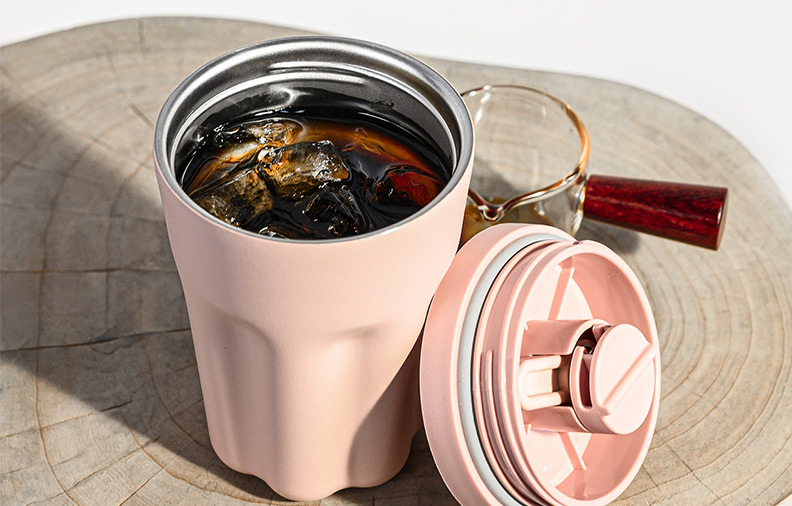
Handle Attachment Points Face Different Stress Than a Countertop Mug Ever Sees
A handle welded or riveted onto a car tea cup absorbs a different stress pattern than the same handle on a mug sitting still on a desk. Every lift from a holder or sudden brake mid-transfer sends a jolt of leveraged force to the attachment point. A joint with insufficient weld penetration can develop a hairline crack long before the rest of the cup shows wear, and that crack often isn't visible until the handle separates entirely. Buyers sourcing handled variants for fleet or promotional programs should ask suppliers about weld penetration testing on the handle joint, since it's a leading cause of handle failure complaints that rarely appears on a standard spec sheet.
Production Consistency Across Color and Finish Variants Requires Separate Checks
A car tea cup line offered in multiple exterior finishes — matte powder coating, gloss paint, or brushed steel — faces different quality considerations for each finish type, since the coating or finishing process introduces its own set of potential defects independent of the underlying cup construction. Manufacturers running dedicated inspection checkpoints for each finish variant, rather than applying the same visual check used across all colors uniformly, catch coating inconsistencies like uneven texture or thin coverage at edges before a bulk shipment reaches a buyer's incoming inspection process.
-
Tel
+86-579-87252573
-
Fax
+86-579-87510911
-
Mobile
+86-15157970274
Follow
Factory Address
NO.3 Weier East Road, Hardware Industrial Zone, Tongqin Town, Wuyi County, Jinhua City, Zhejiang Province, China
If You Have Any Query
Send Message
Copyright © Zhejiang Linghong lndustry & Trade Co., Ltd. All Rights Reserved.

Stainless Steel Bottle Factory