

 English
 русский
 Français
 Español
-
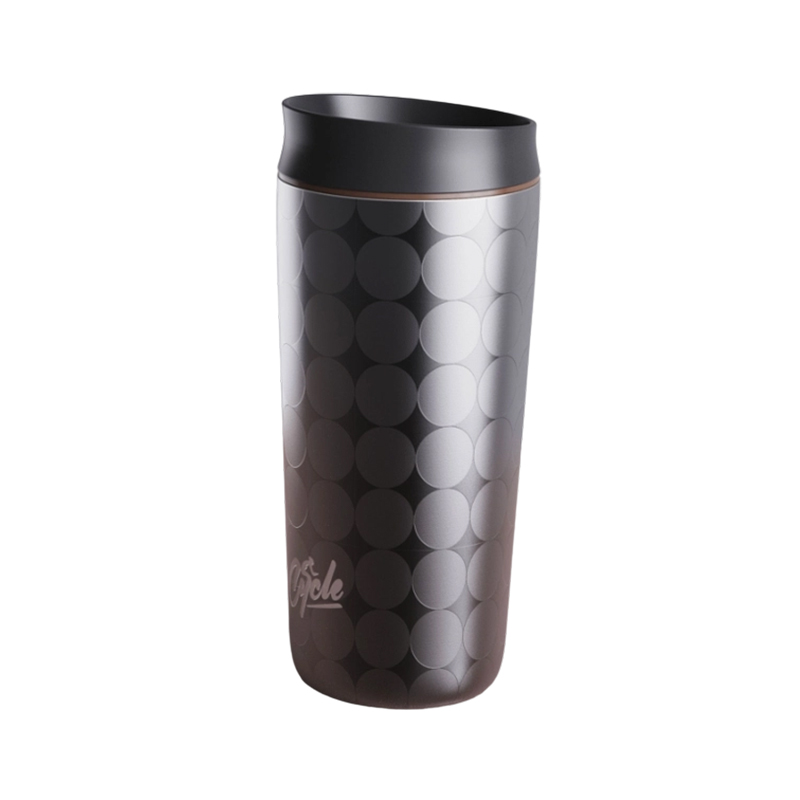 Switchable Dual-Function Lid Coffee Mug
-
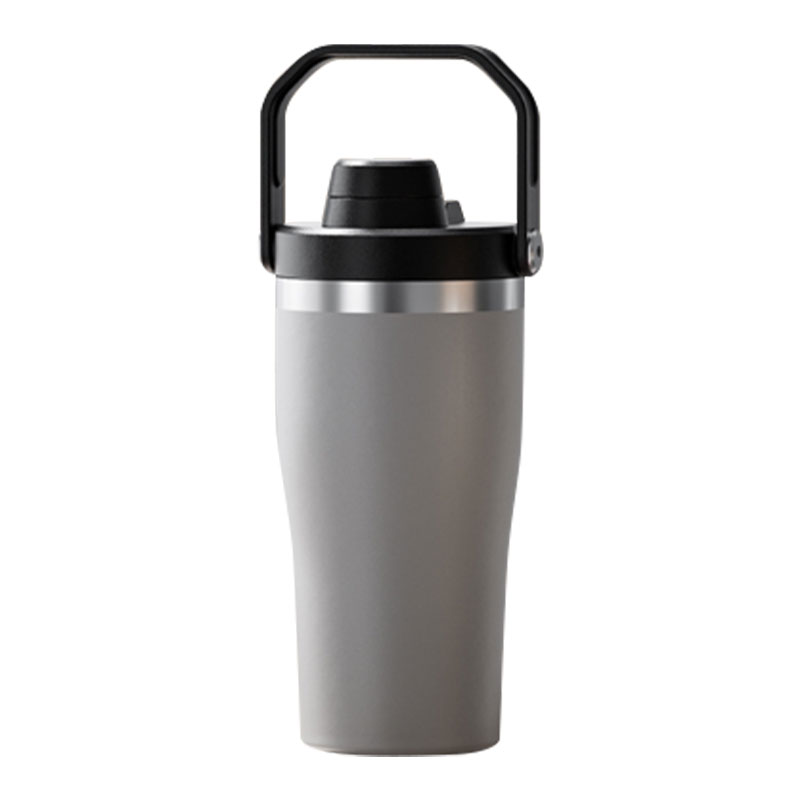 Portable Stainless Steel Mini Ice Bucket
-
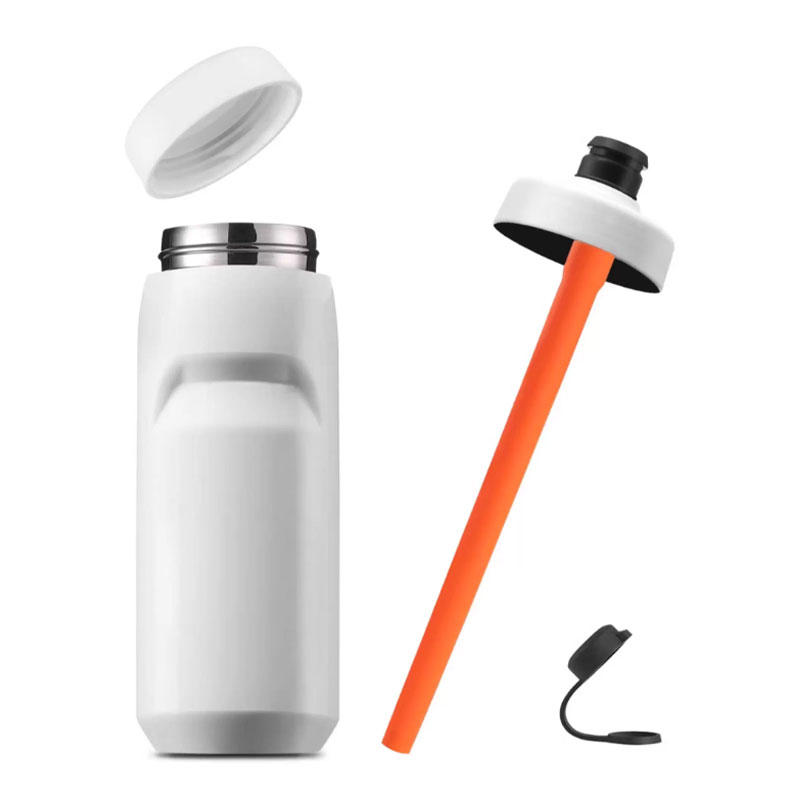 Concave-Designed Sports Water Bottle
-
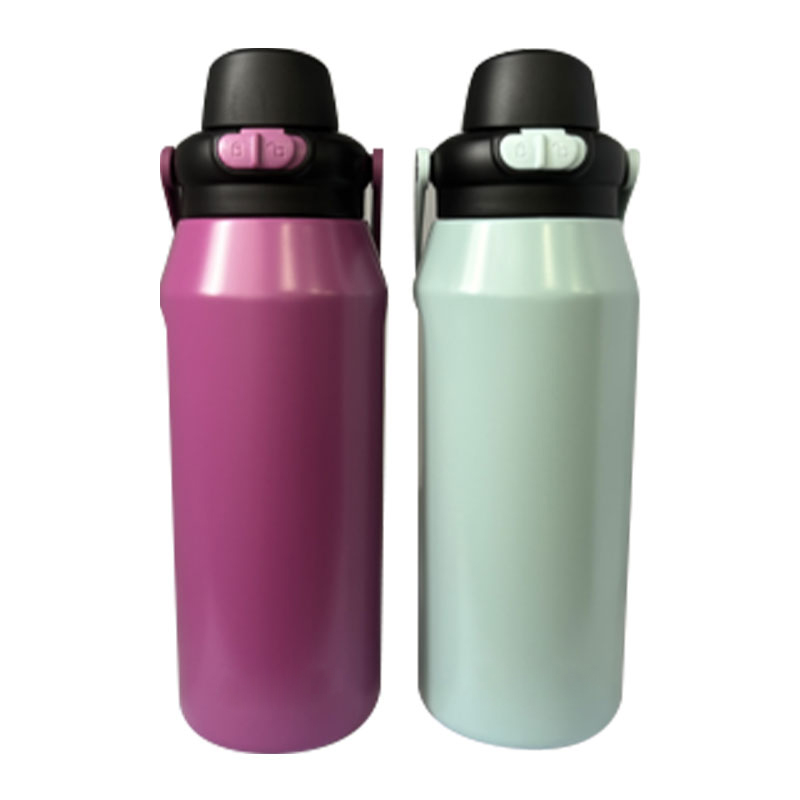 Wide-Mouth Flip Lid Sports Bottle
-
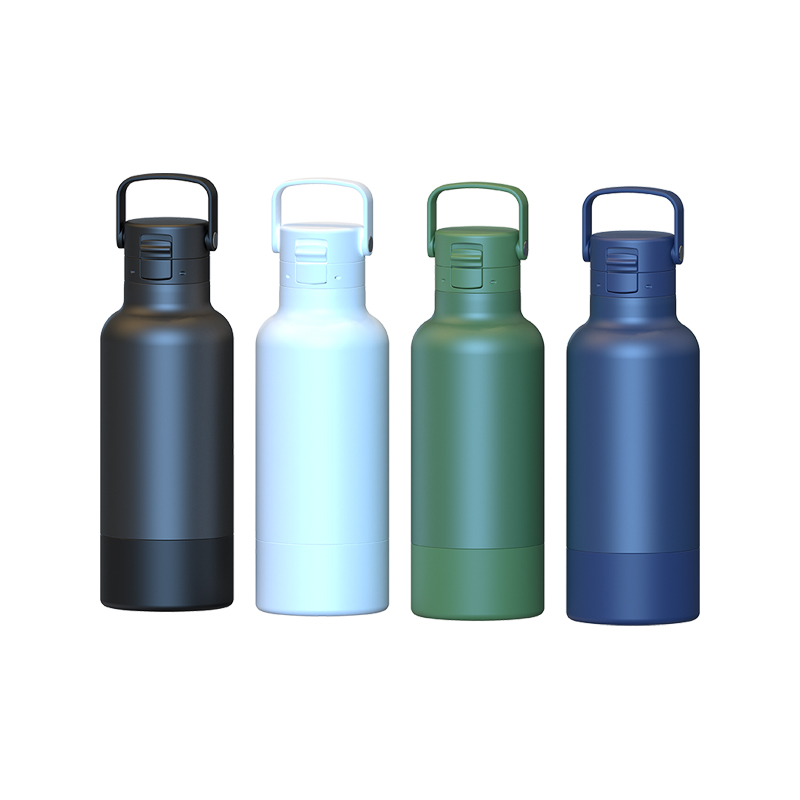 750ml Stainless Steel Flask Foldable Handle Portable Camping Sports Water Bottle
-
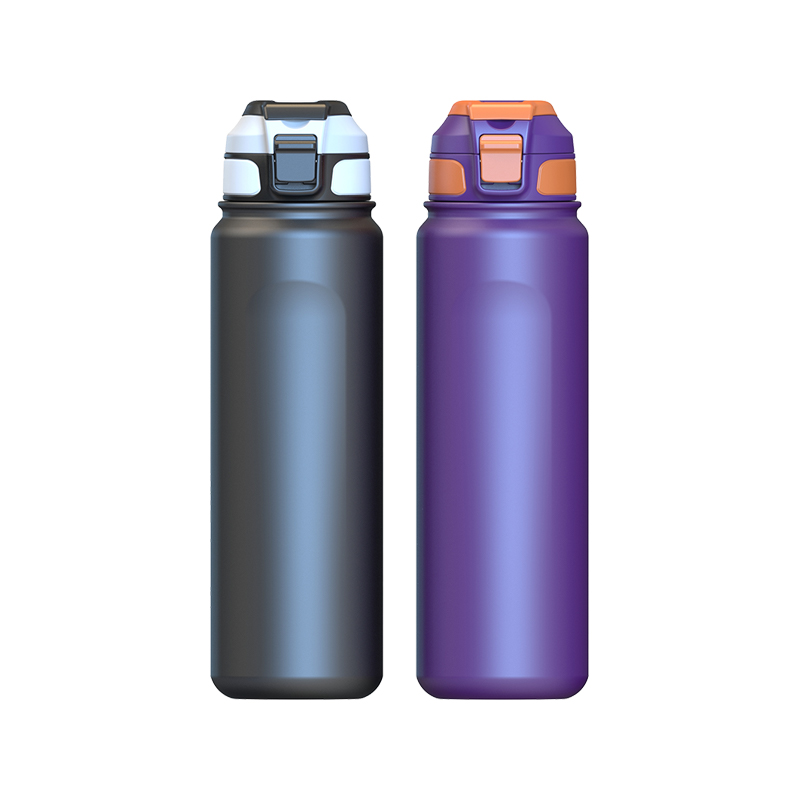 700ml Stainless Steel Sports Fitness Insulated Water Bottle With Portable Drink Lid Multifunctional Straw Thermos Cup
-
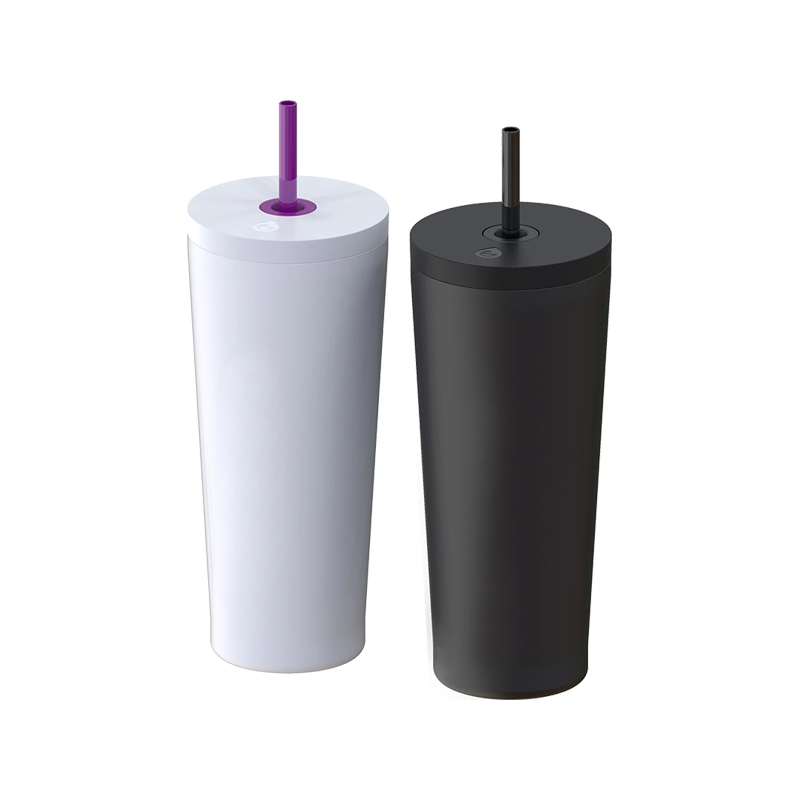 24oz Double Layer 304 Stainless Steel Travel Vacuum Insulated Tumbler 700ml Drink Straw Cup With Internal Screw Cover
-
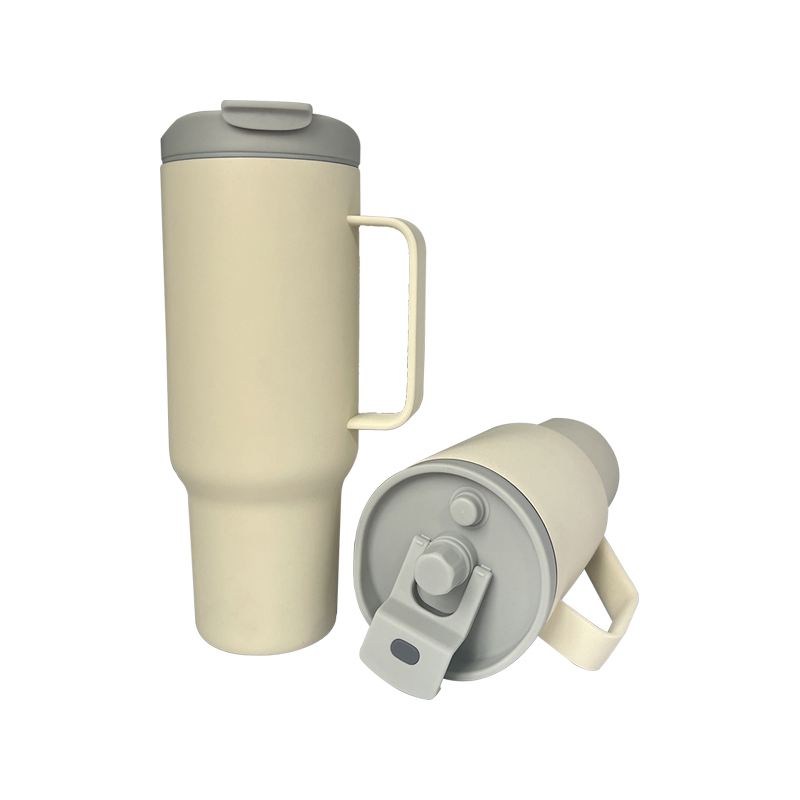 40oz 1200ml Double Wall Stainless Steel Travel Vacuum Insulated Tumbler with Double Magnetic Attraction Lid
Durable Insulated Water Bottle Value Starts With Wall Thickness
Buyers comparing quotes for a durable insulated water bottle often anchor on capacity and lid style, two details that are easy to compare side by side on a spec sheet, while the wall construction that actually determines how long the bottle performs before dents, seam failures, or insulation loss show up gets far less attention during the sourcing conversation.
Wall Thickness Determines Dent Resistance More Than Steel Grade Alone
A durable insulated water bottle built with thinner steel walls to save on material cost dents more easily from routine drops than one built with a slightly thicker gauge, even when both use the same 304-grade steel. Dents matter beyond appearance — a dented double-wall bottle can develop a compromised vacuum seal at the impact point, which degrades insulation performance gradually rather than failing outright, making the defect hard for a buyer's quality team to catch during a standard incoming inspection that checks only for visible leaks.
Vacuum Seal Integrity Is Harder to Verify Than Buyers Assume
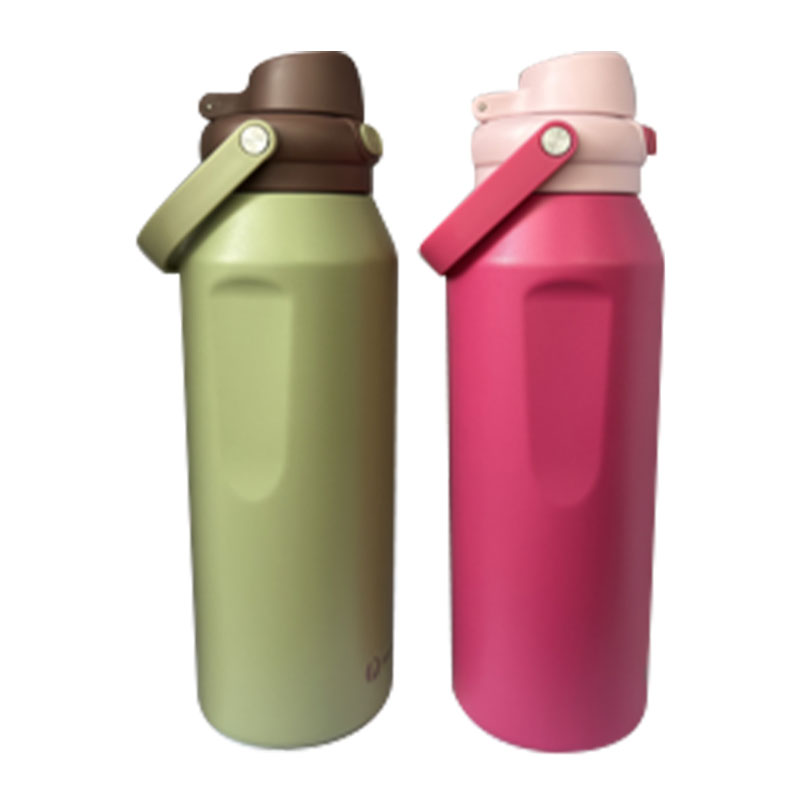
The vacuum gap between the inner and outer walls of a 304 stainless steel bottle is what actually creates the insulating effect, and that vacuum needs to hold at a consistent pressure across the full production run for temperature retention claims to be reliable. A supplier that tests vacuum integrity on a small sample from each batch, rather than relying on the mold and welding process staying consistent by assumption, catches seal failures before a container of bottles ships with inconsistent insulation performance scattered unpredictably across the batch.
|
Construction Detail |
Standard-Gauge Wall |
Reinforced-Gauge Wall |
|
Dent resistance |
Lower, especially at base and rim |
Higher, holds shape through drops |
|
Vacuum seal risk after impact |
Higher, seal can weaken at dent point |
Lower, structure resists deformation |
|
Unit weight |
Lighter |
Slightly heavier |
|
Typical buyer segment |
Retail gift and promotional channels |
Outdoor, industrial, and heavy-use channels |
Double-Wall Vacuum Insulation Performance Varies by Welding Method
Double-wall vacuum insulation relies on a precise weld seam joining the inner and outer steel layers without introducing gaps that would break the vacuum. Automated laser welding produces a more consistent seam across thousands of units than manual welding, which introduces small variances from one welder's technique to another across a shift. Buyers placing large orders should ask whether welding is automated or manual, since this single production detail affects consistency more than nearly any other specification listed on a typical product sheet.
Wholesale Buyers Should Request Batch-Level Test Data, Not Just Sample Certificates
A wholesale insulated bottle supplier providing test certificates only for an approved sample of a durable insulated water bottle line, rather than batch-level verification across the full production run, leaves buyers exposed to the same inconsistency risk described earlier around vacuum seal integrity. Buyers negotiating larger orders should request a testing protocol that samples across the batch rather than relying solely on the pre-production sample that was likely hand-selected and may not represent typical output.
BPA-Free Compliance Documentation Needs to Specify the Actual Test Standard
A BPA-free drinkware manufacturer claim should be backed by a named testing standard and laboratory, rather than stated as a general assurance without supporting documentation. Buyers importing into markets with specific food-contact material regulations should request the actual test report referencing the applicable standard, since a verbal or marketing-page claim of BPA-free status carries no weight during a customs or retailer compliance review.
Screw-Top Versus Flip-Lid Designs Carry Different Long-Term Seal Risks
A durable insulated water bottle built around a threaded screw-top lid relies on the threading itself to compress a gasket into a watertight seal, and that threading needs to hold tight tolerance across thousands of open-close cycles without the plastic or metal threads wearing down enough to loosen the seal. A flip-lid or push-button design shifts that sealing responsibility onto a smaller internal gasket and spring mechanism instead, which opens faster for daily use but introduces a different wear point that eventually needs replacement parts rather than simply tightening a loose cap. Buyers should match lid mechanism choice to their end customer's actual usage pattern — daily commuters value flip-lid speed, while buyers targeting rugged outdoor use often prefer the simpler mechanical reliability of a screw-top design that has fewer moving parts to fail in the field.
Bottom Seam Construction Is Where Long-Term Leaks Tend to Originate
People often assume a leaking insulated bottle has failed at the lid, but a meaningful share of field leak complaints trace back to the seam where the bottle's base is welded onto the cylindrical body. This seam takes repeated impact stress every time the bottle is set down firmly on a hard surface, and inconsistent weld penetration here can develop a slow leak that's easy to misdiagnose as a lid problem. A durable insulated water bottle manufactured with reinforced base-seam welding, verified through pressure testing after assembly rather than visual inspection alone, catches this failure mode before it reaches a buyer's warehouse.
Capacity Variants Should Share Consistent Wall-to-Volume Ratios
Buyers ordering a durable insulated water bottle across multiple capacity sizes — say 500ml, 750ml, and 1000ml — sometimes assume insulation performance scales predictably across the range, but a supplier that doesn't adjust wall thickness proportionally as capacity increases can end up with a larger bottle that retains heat or cold noticeably worse than its smaller counterpart, despite using the same stated construction. Buyers standardizing a multi-size product line should ask for temperature-retention test data specific to each capacity variant rather than assuming performance figures from one size transfer directly to another.
-
Tel
+86-579-87252573
-
Fax
+86-579-87510911
-
Mobile
+86-15157970274
Follow
Factory Address
NO.3 Weier East Road, Hardware Industrial Zone, Tongqin Town, Wuyi County, Jinhua City, Zhejiang Province, China
If You Have Any Query
Send Message
Copyright © Zhejiang Linghong lndustry & Trade Co., Ltd. All Rights Reserved.

Stainless Steel Bottle Factory