

 English
 русский
 Français
 Español
-
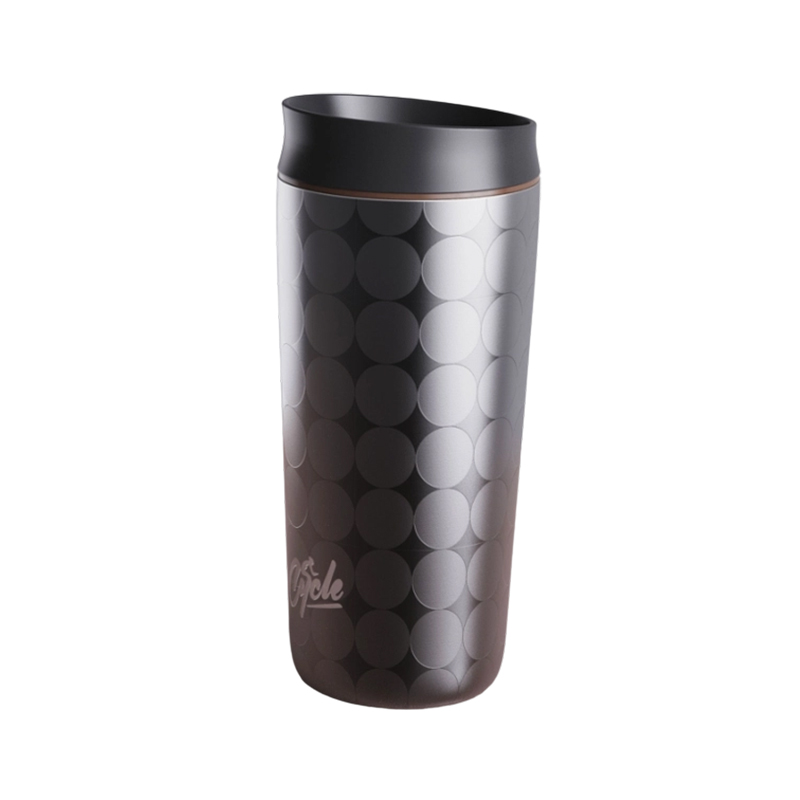 Switchable Dual-Function Lid Coffee Mug
-
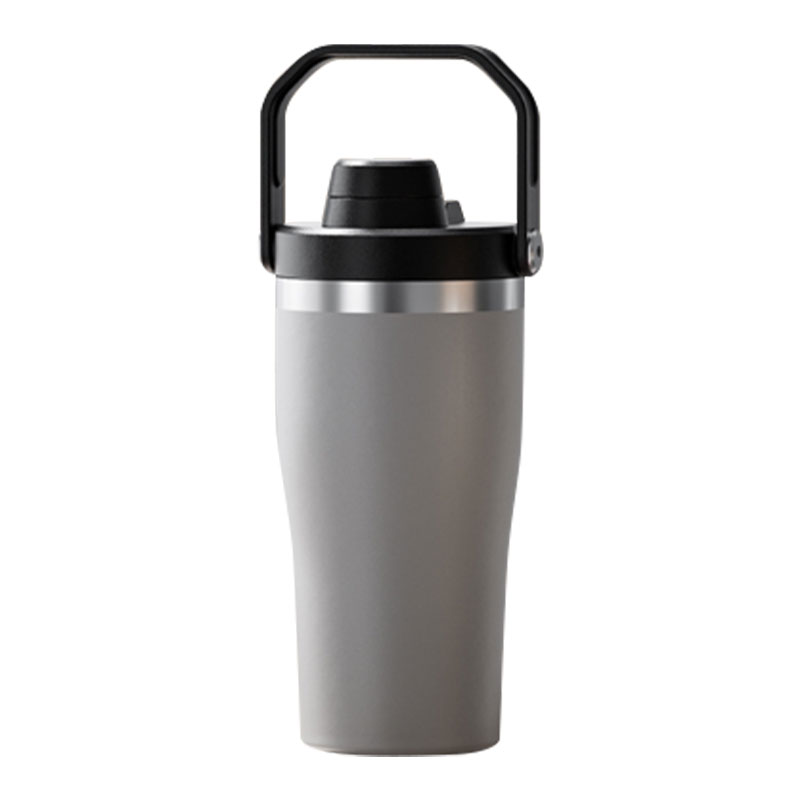 Portable Stainless Steel Mini Ice Bucket
-
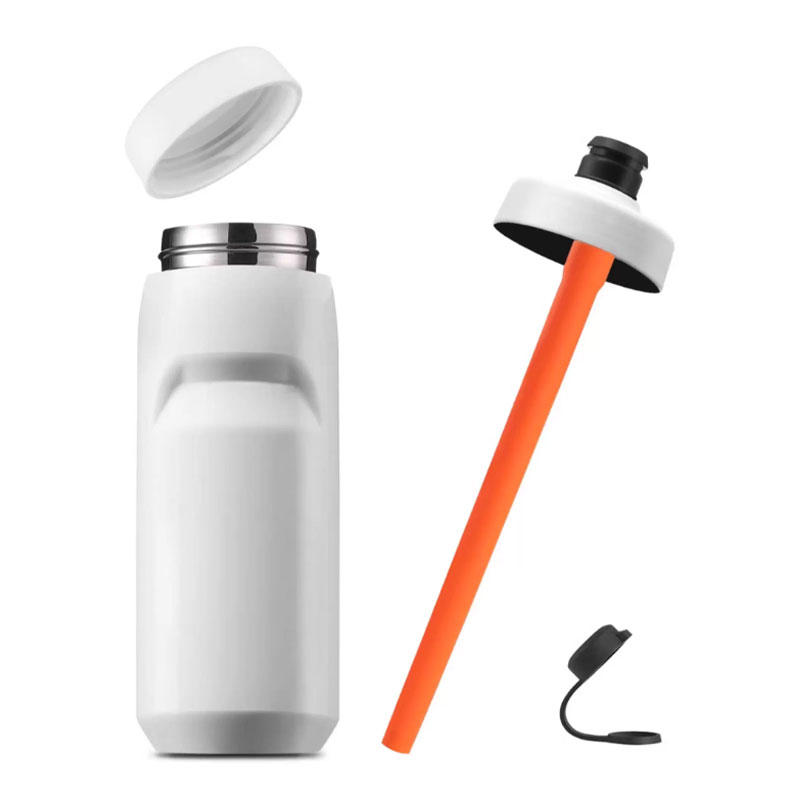 Concave-Designed Sports Water Bottle
-
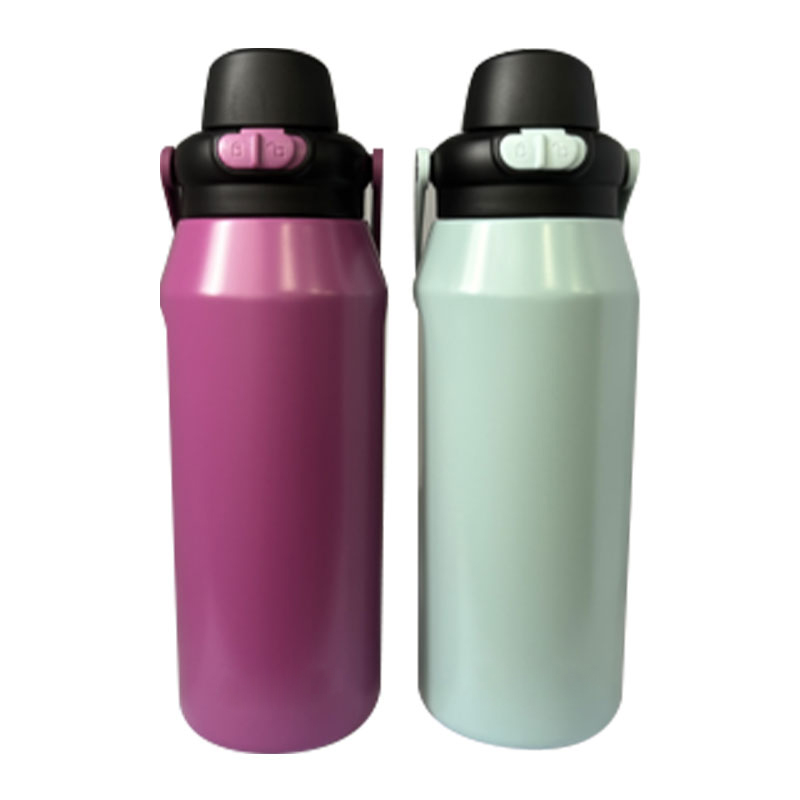 Wide-Mouth Flip Lid Sports Bottle
-
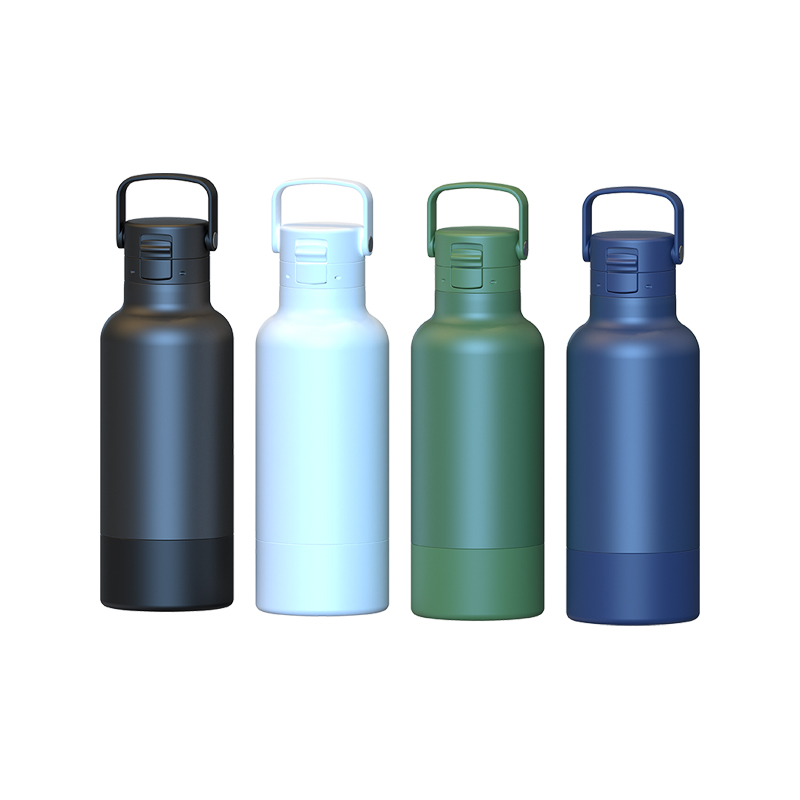 750ml Stainless Steel Flask Foldable Handle Portable Camping Sports Water Bottle
-
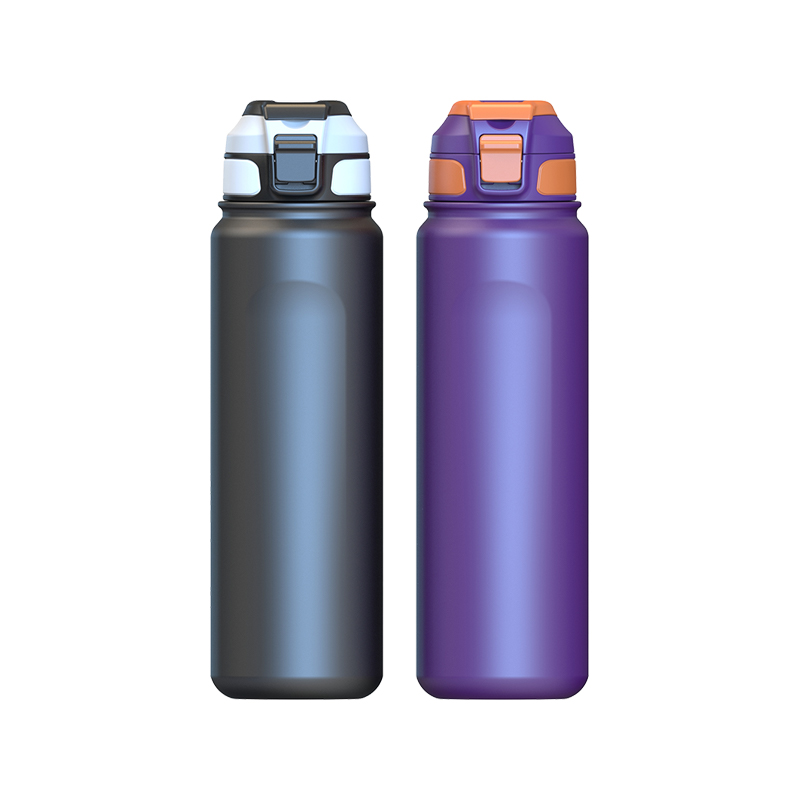 700ml Stainless Steel Sports Fitness Insulated Water Bottle With Portable Drink Lid Multifunctional Straw Thermos Cup
-
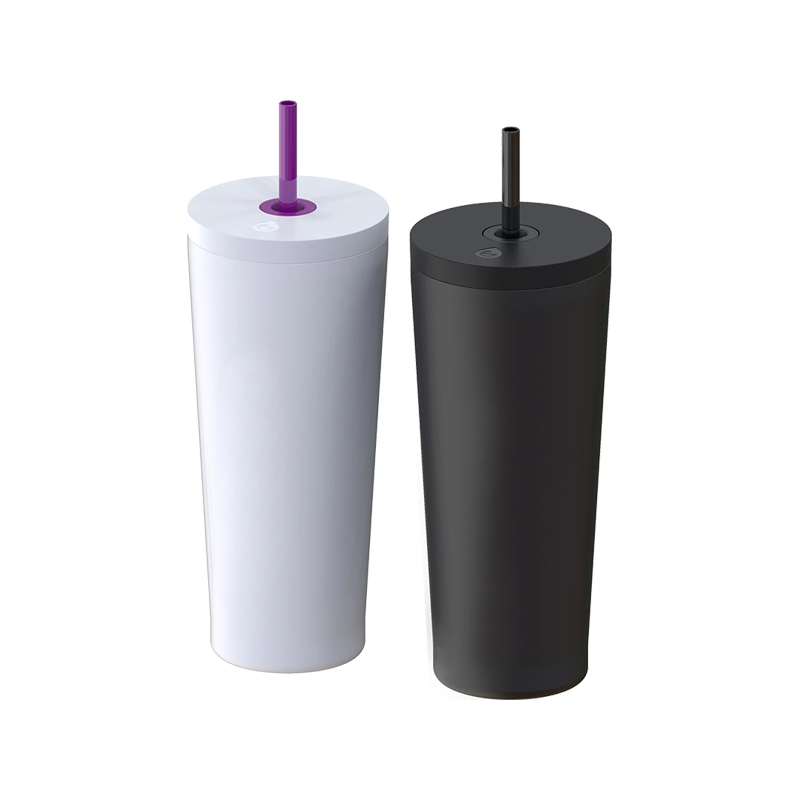 24oz Double Layer 304 Stainless Steel Travel Vacuum Insulated Tumbler 700ml Drink Straw Cup With Internal Screw Cover
-
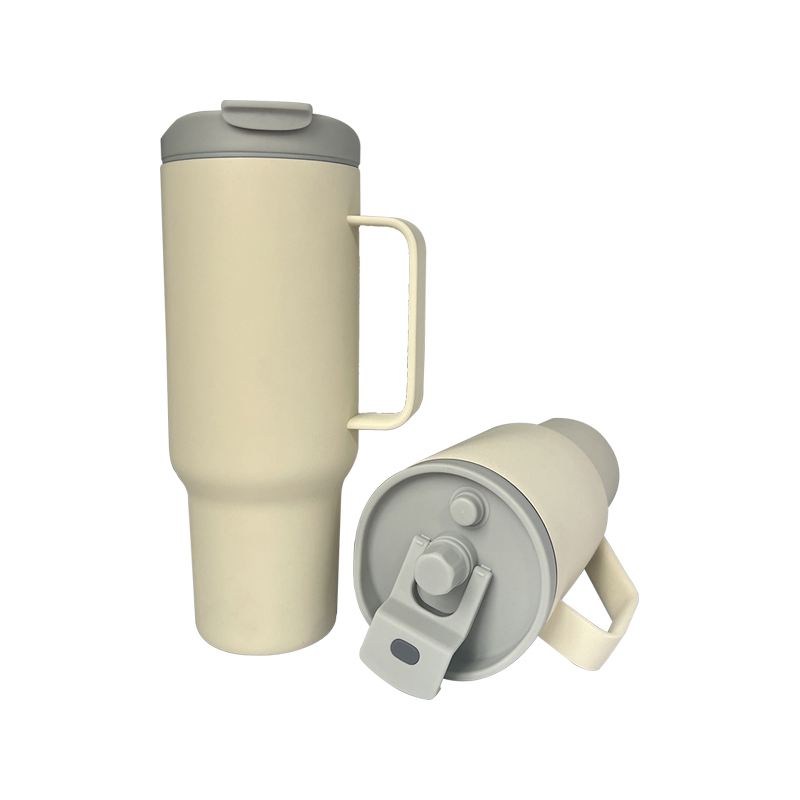 40oz 1200ml Double Wall Stainless Steel Travel Vacuum Insulated Tumbler with Double Magnetic Attraction Lid
Children Plastic Water Bottle Safety Starts With Material Choice
Not all food-grade plastics behave the same way once they leave the factory and enter a child's backpack, lunch bag, or playground bag. A children plastic water bottle has to hold up to drops, repeated dishwasher cycles, and sustained contact with drinking water, and the specific plastic resin chosen determines how well it manages all three at once. Buyers comparing bottles mainly on wall design or color options sometimes overlook this material decision, even though it sits underneath every other feature on the spec sheet.
Why Plastic Type Determines the Safety Baseline
Tritan copolyester, polypropylene, and high-density polyethylene are the resins most commonly used for this product category, and all three are selected specifically because they are BPA-free and rated for food contact. A children plastic water bottle made from Tritan generally offers better clarity and a glass-like appearance buyers associate with a premium look, while polypropylene tends to be more chemical-resistant and slightly more flexible, which affects how each material performs under the same drop or impact test.
Wall Thickness and Drop Resistance
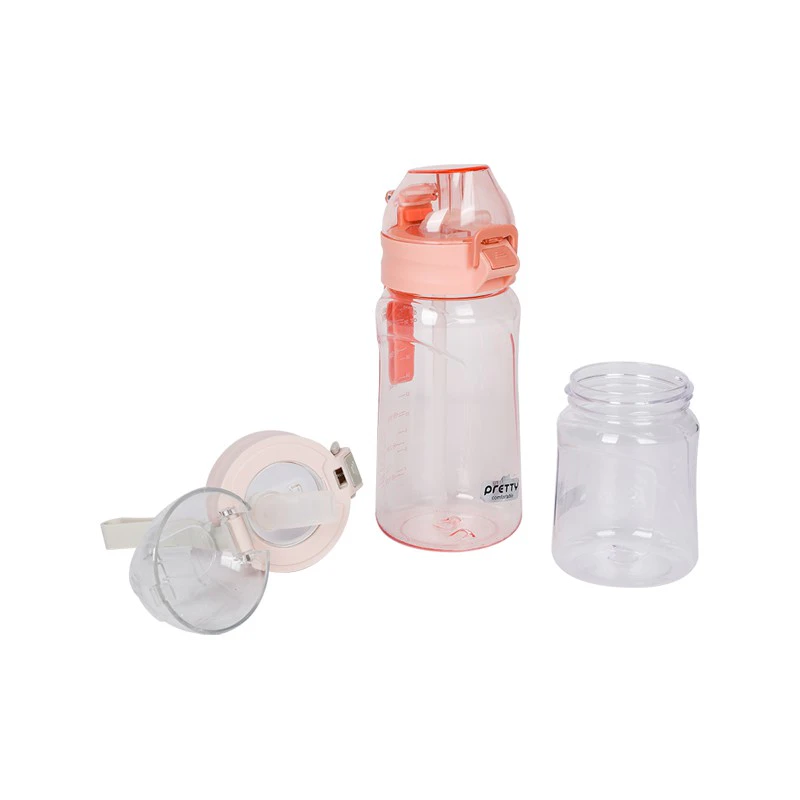
Children drop bottles far more often than adults do, which makes impact resistance a bigger factor in wall design than it would be for an adult-oriented product. A children plastic water bottle built with a thicker wall at the base and corners — the points most likely to strike the ground first — resists cracking better than a uniformly thin-walled design, even when both use the same base resin. This is one of the details that separates a bottle engineered specifically for kids from an adult bottle simply produced in a smaller size.
Leak-Proof Spout and Valve Design
A silicone valve or spout seal has to maintain a consistent seal through hundreds of open-close cycles without degrading, since a valve that loosens over time turns a leak-proof bottle into a source of daily bag spills. A children plastic water bottle with a spring-loaded or silicone duckbill valve generally holds its seal longer than a simple flip-top design without a dedicated valve component, particularly once the bottle has been through repeated dishwasher cycles that can affect silicone flexibility over time.
Wide-Mouth Design for Cleaning Access
A narrow neck opening makes it difficult to reach every interior surface with a standard bottle brush, leaving residue in corners that a quick rinse does not fully clear. A children plastic water bottle designed with a wide-mouth opening allows more thorough hand cleaning and better airflow for drying between uses, which matters more for a product used daily by a child than it might for an occasional-use adult bottle.
Color and Graphic Application Without Compromising Safety
Bright colors and character graphics are part of what makes a bottle appealing to a child, but the printing or coloring method used has to remain compatible with food-contact safety standards rather than relying on surface coatings that could wear off with repeated handling. A children plastic water bottle decorated through in-mold labeling or resin-based coloring generally holds its appearance longer than a bottle relying on an external printed decal, since the color or graphic becomes part of the material itself rather than a separate layer that can peel or fade.
What Buyers Typically Compare
For distributors and retailers sourcing this category, useful comparison points include base resin type relative to clarity and impact performance, wall thickness at high-impact points, valve or spout mechanism reliability after repeated cycling, and whether decoration methods are integrated into the material rather than applied as a surface layer. Zhejiang Linghong Industry & Trade Co., Ltd., based in Wuyi County, Jinhua, Zhejiang, and certified to ISO9001 standards, produces drinkware for children and adults across plastic and stainless steel construction, applying the same quality management processes used across its broader vacuum flask and sports bottle lines to its children plastic water bottle offerings.
-
Tel
+86-579-87252573
-
Fax
+86-579-87510911
-
Mobile
+86-15157970274
Follow
Factory Address
NO.3 Weier East Road, Hardware Industrial Zone, Tongqin Town, Wuyi County, Jinhua City, Zhejiang Province, China
If You Have Any Query
Send Message
Copyright © Zhejiang Linghong lndustry & Trade Co., Ltd. All Rights Reserved.

Stainless Steel Bottle Factory