

 English
 русский
 Français
 Español
-
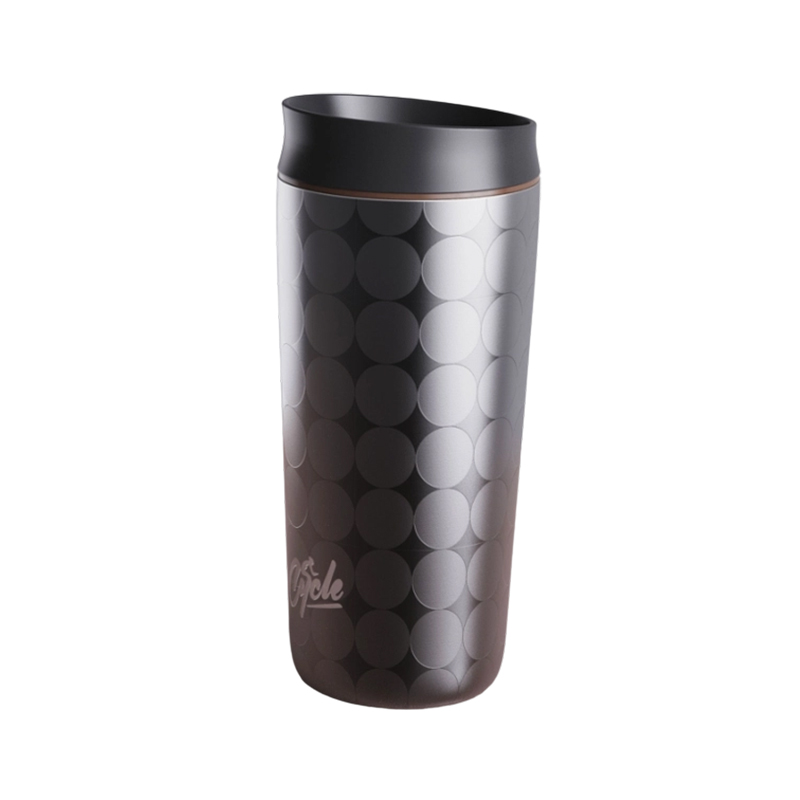 Switchable Dual-Function Lid Coffee Mug
-
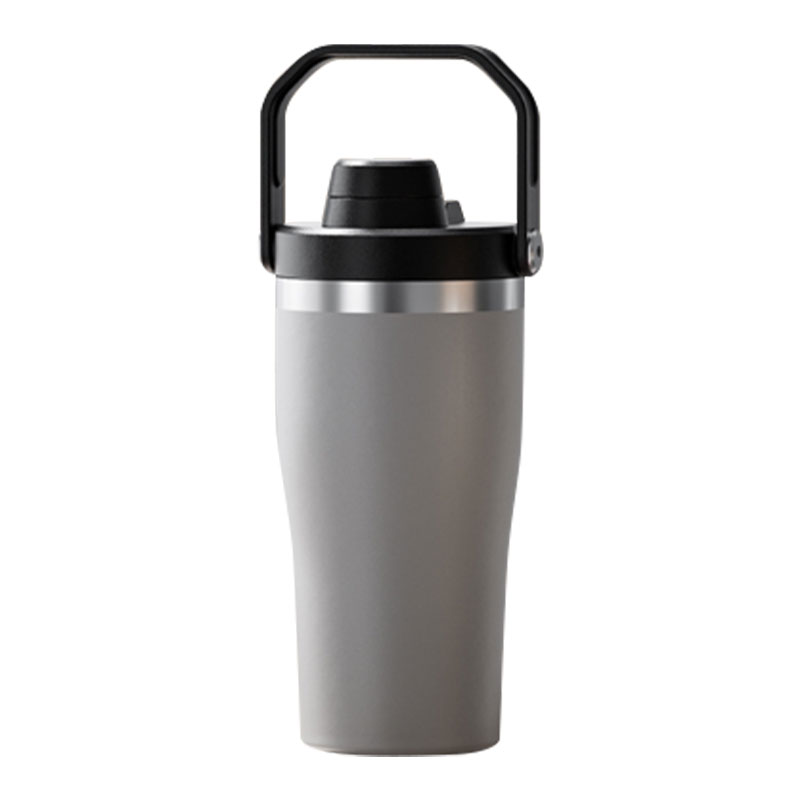 Portable Stainless Steel Mini Ice Bucket
-
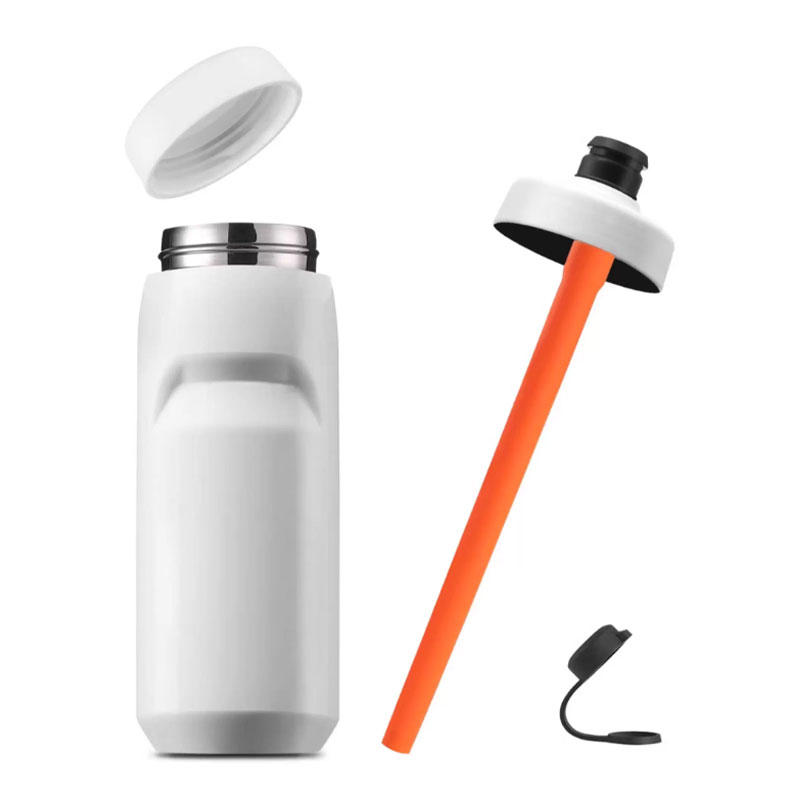 Concave-Designed Sports Water Bottle
-
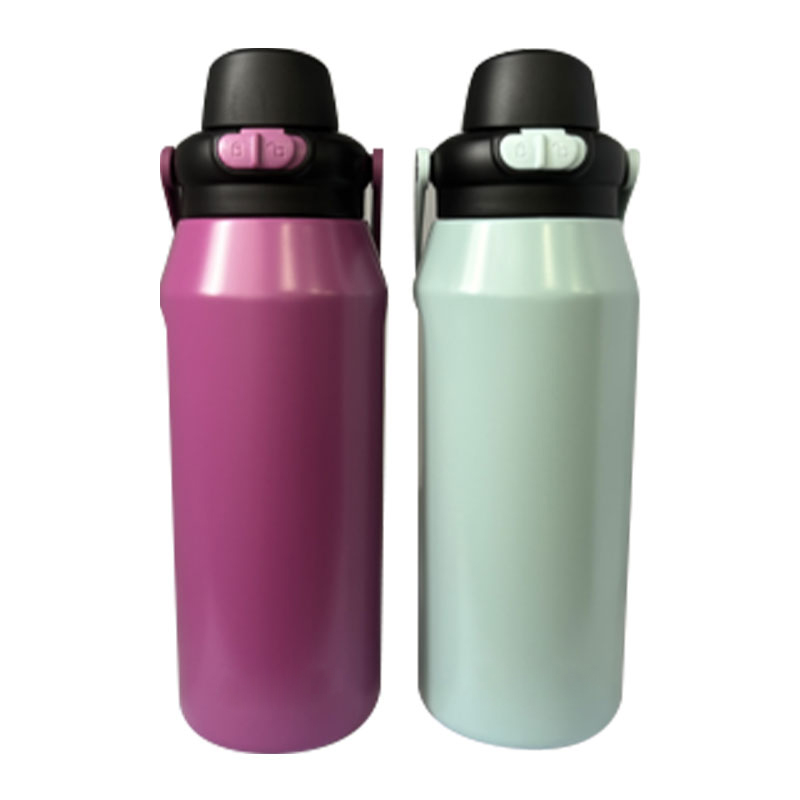 Wide-Mouth Flip Lid Sports Bottle
-
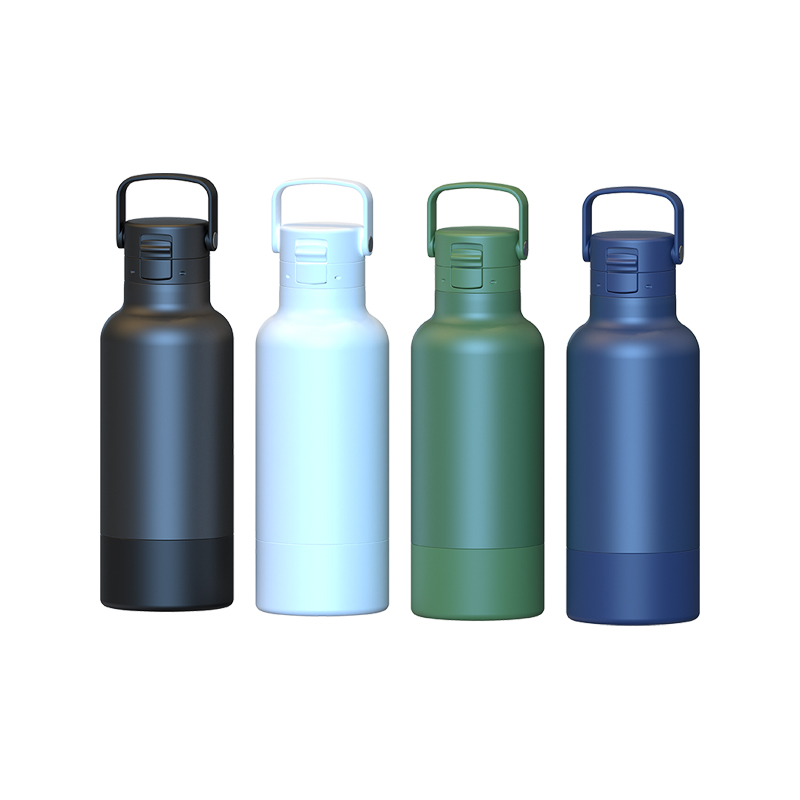 750ml Stainless Steel Flask Foldable Handle Portable Camping Sports Water Bottle
-
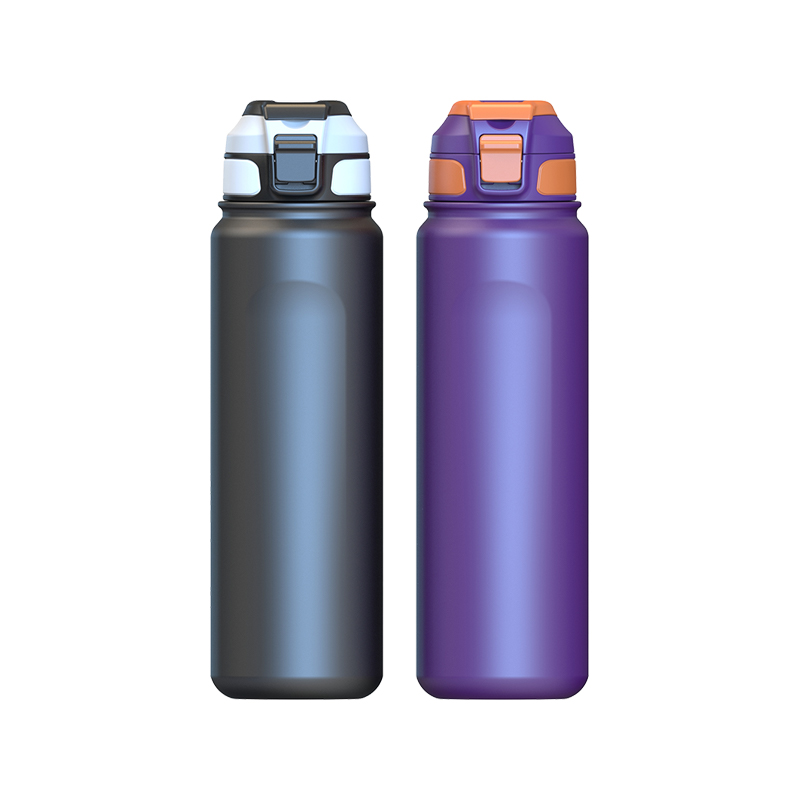 700ml Stainless Steel Sports Fitness Insulated Water Bottle With Portable Drink Lid Multifunctional Straw Thermos Cup
-
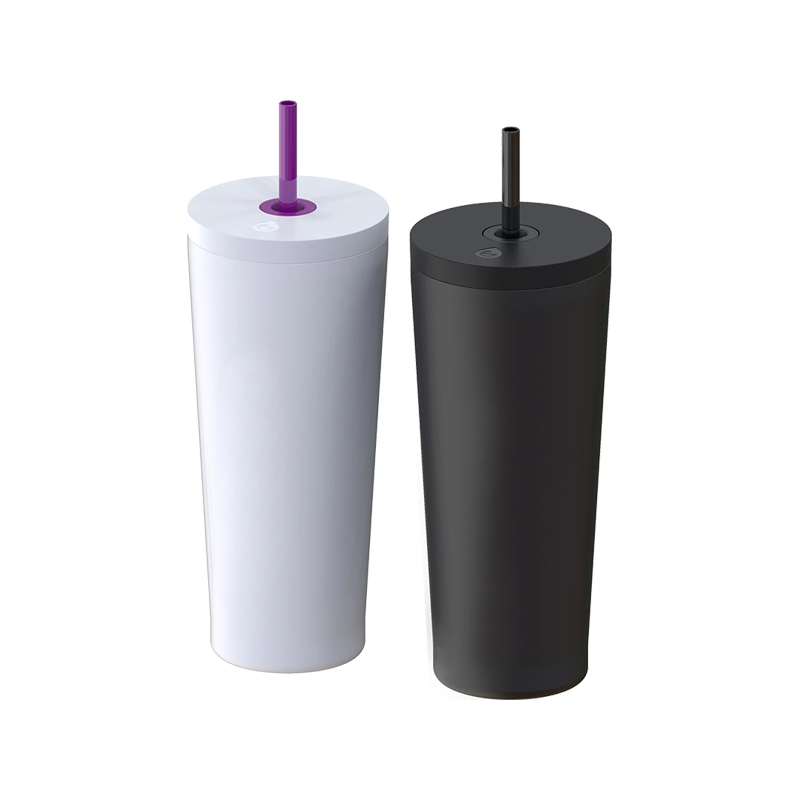 24oz Double Layer 304 Stainless Steel Travel Vacuum Insulated Tumbler 700ml Drink Straw Cup With Internal Screw Cover
-
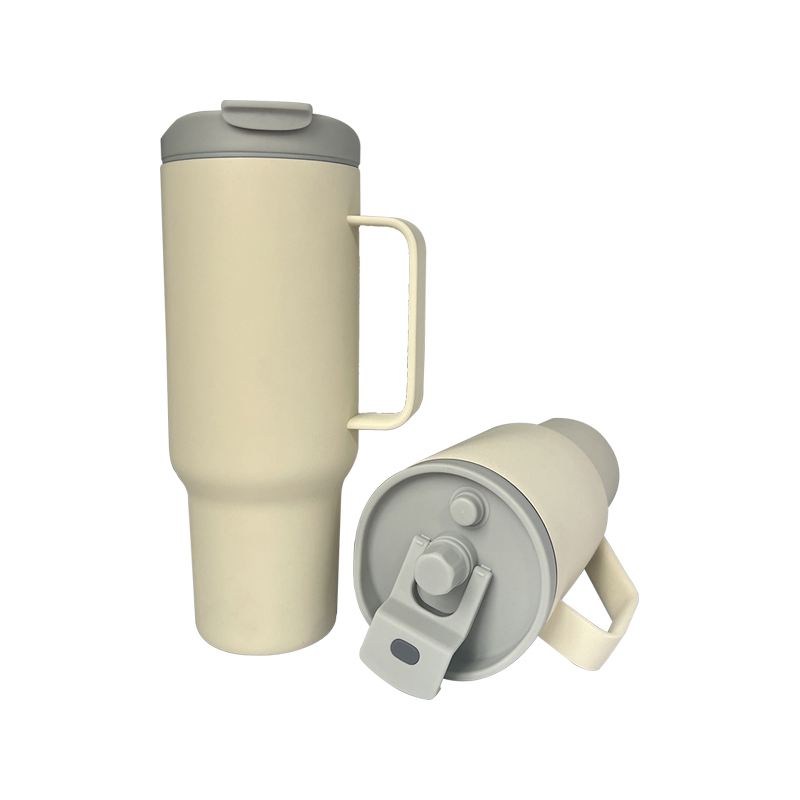 40oz 1200ml Double Wall Stainless Steel Travel Vacuum Insulated Tumbler with Double Magnetic Attraction Lid
Lightweight Thermal Coffee Mug Design for Efficient Product Development
Weight has become an important design variable in reusable drinkware, especially when buyers develop products for commuting, office use, travel, and promotional programs. A Lightweight Thermal Coffee Mug needs to reduce unnecessary mass without weakening the structure that protects the inner vessel, supports the lid, or maintains the intended insulation performance. For manufacturers, achieving this balance requires decisions about material thickness, component configuration, welding, forming, and final assembly.
For overseas buyers, weight should therefore be considered together with capacity, dimensions, material selection, lid construction, and production consistency. A lighter mug that changes too many structural parameters may create problems during manufacturing or transportation, while a well-designed structure can reduce material usage without turning the product into a fragile item.
Weight Reduction Starts With Component Structure
The total weight of an insulated mug does not come from the stainless steel body alone. The inner liner, outer shell, lid, sealing parts, handle, decorative components, and other accessories all contribute to the finished weight.
A Lightweight Thermal Coffee Mug can use a more compact component arrangement to reduce unnecessary material and simplify assembly. The body can be designed around the required capacity and external dimensions rather than adding excessive wall material. At the same time, the lid needs enough structural strength to maintain its closing function and support the sealing components.
Raisun's thermal coffee mug product range includes different capacities, lid configurations, and body styles, including stainless steel models designed for office and car use. This range gives buyers options when developing products for different market segments.
Stainless Steel Selection Affects the Finished Weight
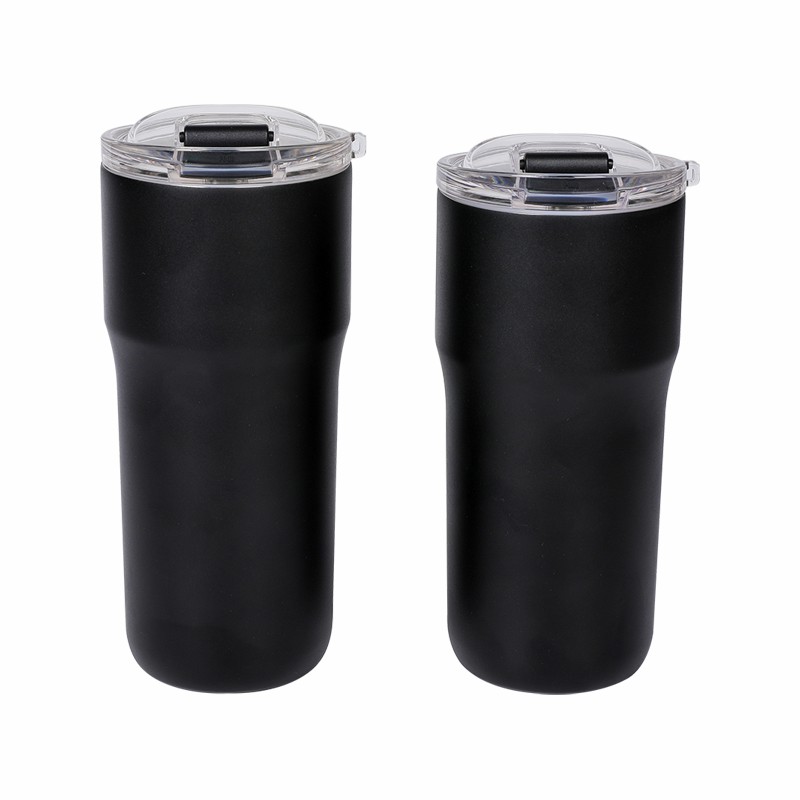
Material selection has a direct relationship with the weight of an insulated drinkware product. Stainless steel provides the structural foundation for many thermal mugs, but the final weight also depends on the amount of material used and the dimensions of each component.
For a Lightweight Thermal Coffee Mug, manufacturers need to control forming and welding carefully because thinner or reduced-material components leave less room for dimensional variation. The inner and outer structures need to maintain their intended relationship during assembly.
Weight Distribution Matters as Much as Total Weight
Two mugs can have similar total weights but feel different during handling. The position of the heavier components affects how the product sits in the hand and how stable it feels when placed on a desk or inside a vehicle cup holder.
For a Lightweight Thermal Coffee Mug, reducing weight from the wrong area can change the balance of the product. A heavy lid combined with a very light body, for example, can create a different handling experience from a structure where the weight is distributed closer to the base.
This is why product development should evaluate the body, lid, handle, and base as a combined structure. For OEM projects, buyers can provide target dimensions and weight requirements during the development stage so the manufacturer can assess whether the proposed construction is practical for production.
Lid Design Can Add Unnecessary Mass
The lid is often one of the more complex parts of a reusable mug because it may include a sealing ring, drinking opening, sliding mechanism, rotating section, or other functional elements. Adding features can increase component count and finished weight.
A Lightweight Thermal Coffee Mug therefore does not necessarily need the most complicated lid. The appropriate configuration depends on the target market and intended use. A simple office mug may require a different lid structure from a travel-oriented model that needs stronger sealing and a more secure closure.
Raisun's product range includes rotating-cover, push-piece sealing, direct-drinking, straw, and other lid configurations. This variety can help buyers compare different structures when developing a private-label or wholesale product line.
Production Consistency Is Important for Lightweight Designs
Reducing material usage increases the importance of manufacturing consistency. Variations in forming, welding, component dimensions, or assembly can affect the final weight and structural condition of individual units.
During production of a Lightweight Thermal Coffee Mug, inspection can cover body dimensions, welding condition, lid assembly, sealing components, surface treatment, and finished weight. Vacuum quality also requires attention because the insulation structure is completed before decorative processing in typical stainless steel vacuum-mug production. Raisun describes vacuum testing and thermal testing as part of its manufacturing quality-control process.
For bulk buyers, consistent production is particularly important when thousands of units need to meet the same approved sample. Weight tolerance, packaging configuration, logo treatment, and component specifications can be established before mass production.
Lightweight Construction Supports Efficient B2B Product Planning
A Lightweight Thermal Coffee Mug can also affect logistics planning. Lower product weight may influence carton weight, pallet loading, shipping calculations, and handling requirements, although the actual logistics effect depends on the product dimensions and packaging method.
For distributors and brand owners, the development process should therefore consider weight alongside capacity, body dimensions, lid configuration, materials, surface treatment, and packaging. Raisun states that its R&D team can develop products according to customer drawings or samples, supporting projects that require specific product configurations.
A well-controlled lightweight structure is consequently not simply a matter of making a mug thinner. It requires coordination between material selection, component design, manufacturing accuracy, and quality inspection. For B2B drinkware programs, these factors provide a practical basis for developing a lighter product while keeping the construction suitable for repeated production.
-
Tel
+86-579-87252573
-
Fax
+86-579-87510911
-
Mobile
+86-15157970274
Follow
Factory Address
NO.3 Weier East Road, Hardware Industrial Zone, Tongqin Town, Wuyi County, Jinhua City, Zhejiang Province, China
If You Have Any Query
Send Message
Copyright © Zhejiang Linghong lndustry & Trade Co., Ltd. All Rights Reserved.

Stainless Steel Bottle Factory