

 English
 русский
 Français
 Español
-
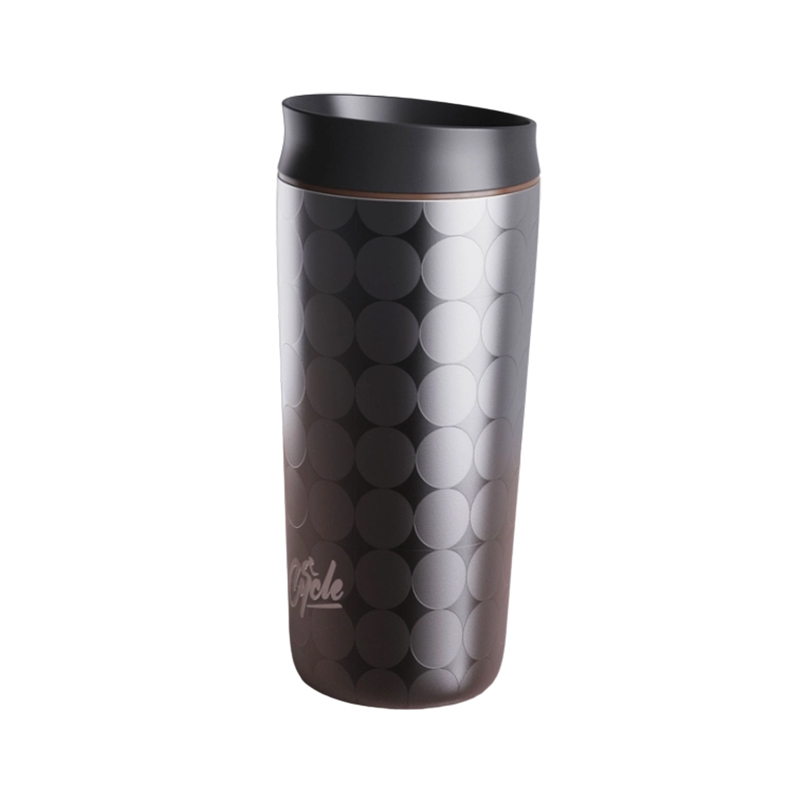 Switchable Dual-Function Lid Coffee Mug
-
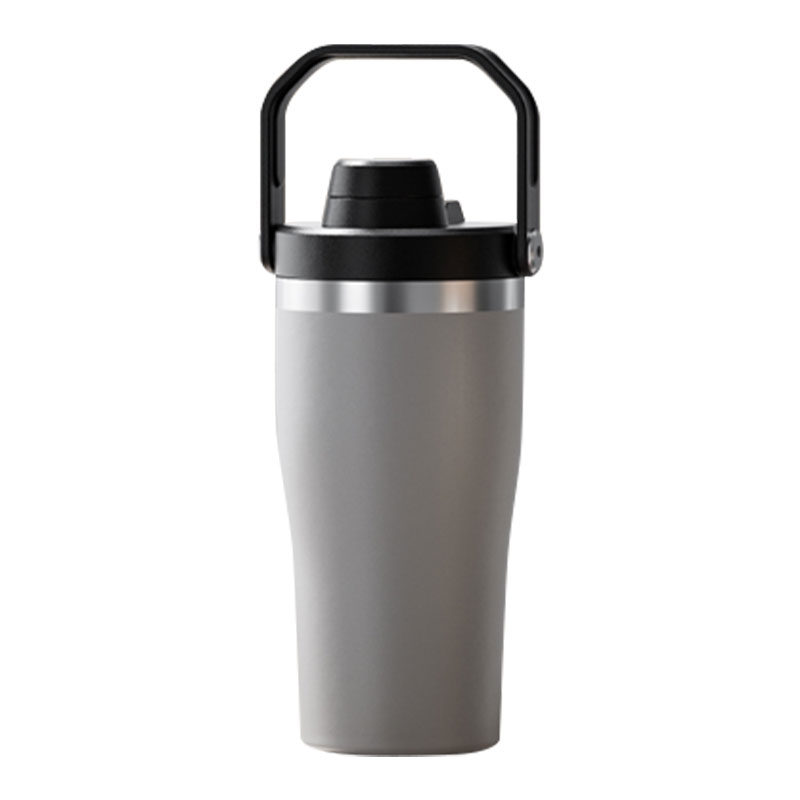 Portable Stainless Steel Mini Ice Bucket
-
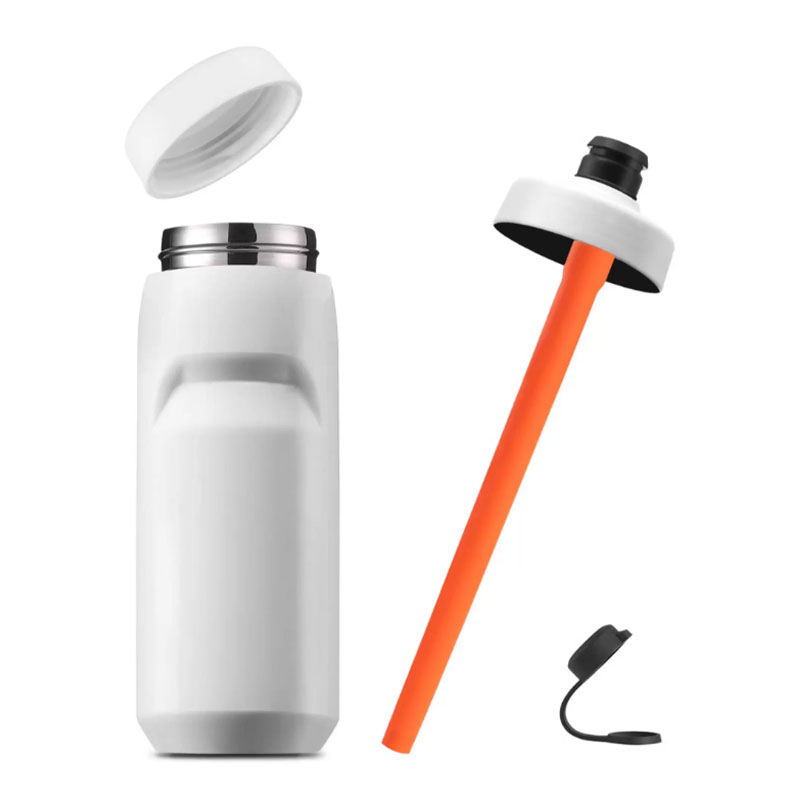 Concave-Designed Sports Water Bottle
-
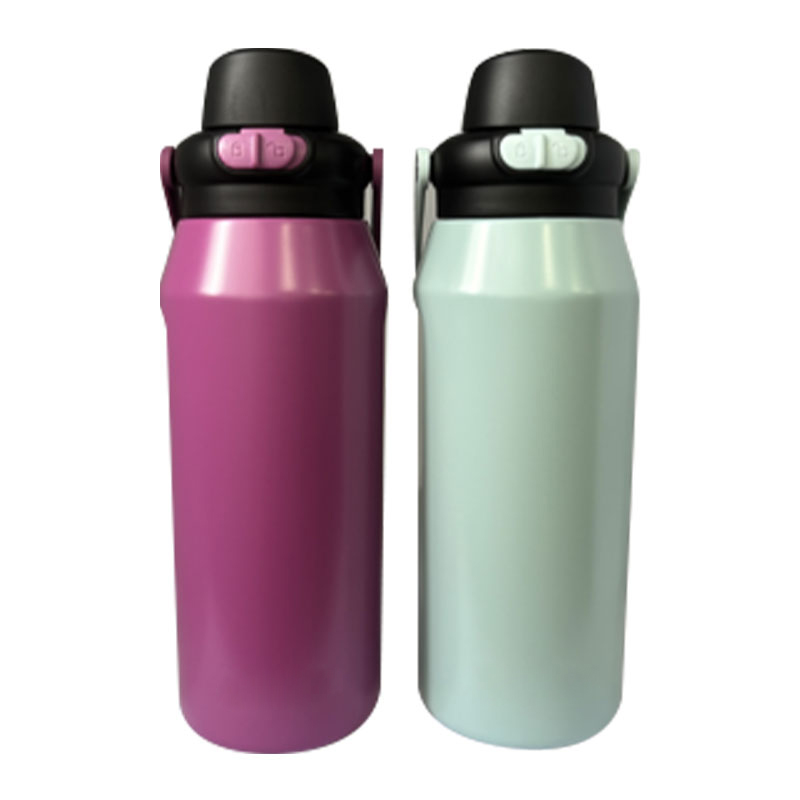 Wide-Mouth Flip Lid Sports Bottle
-
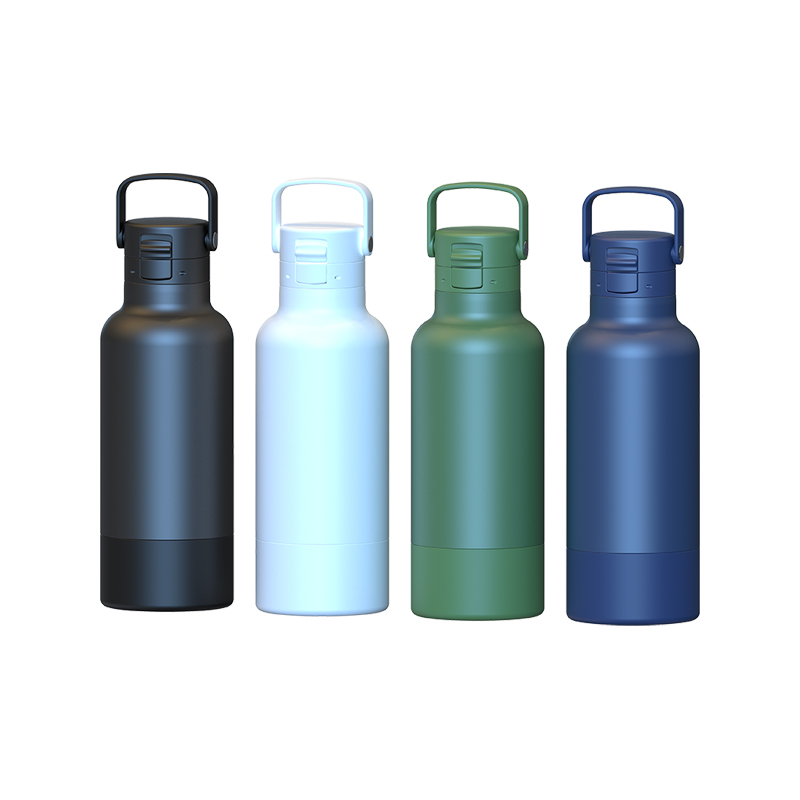 750ml Stainless Steel Flask Foldable Handle Portable Camping Sports Water Bottle
-
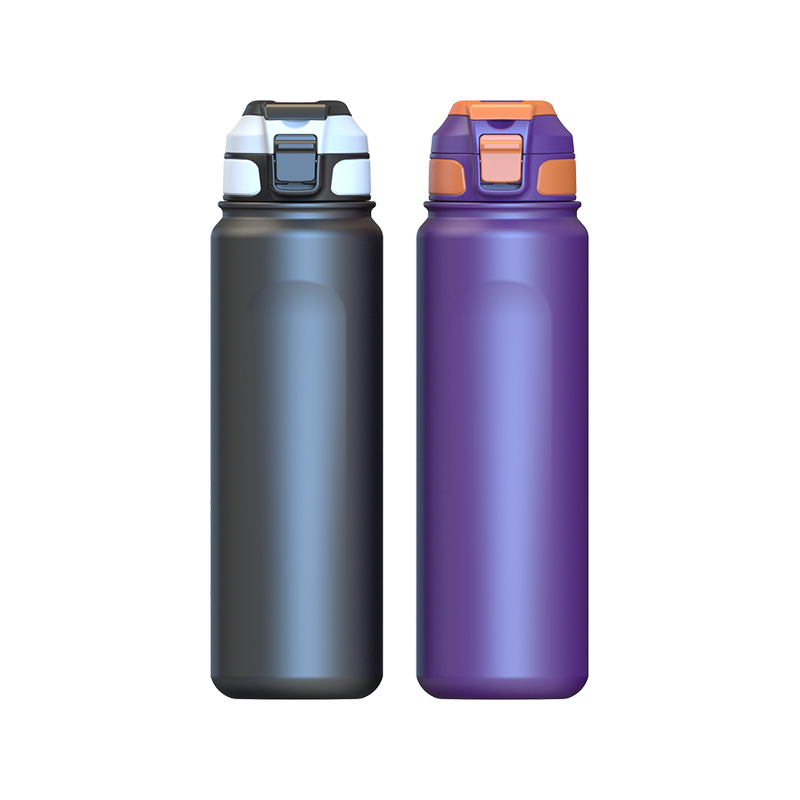 700ml Stainless Steel Sports Fitness Insulated Water Bottle With Portable Drink Lid Multifunctional Straw Thermos Cup
-
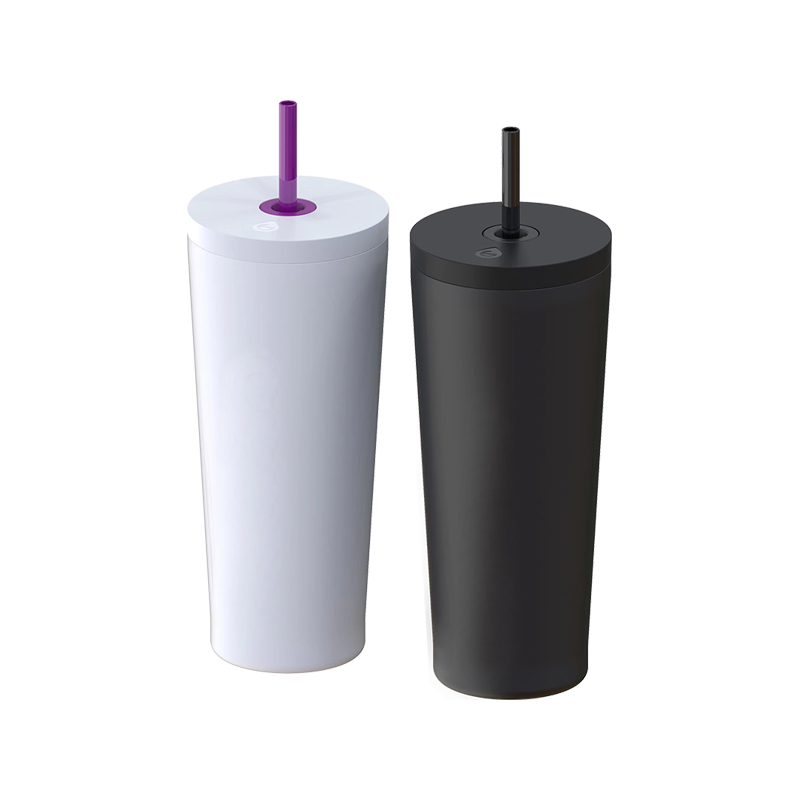 24oz Double Layer 304 Stainless Steel Travel Vacuum Insulated Tumbler 700ml Drink Straw Cup With Internal Screw Cover
-
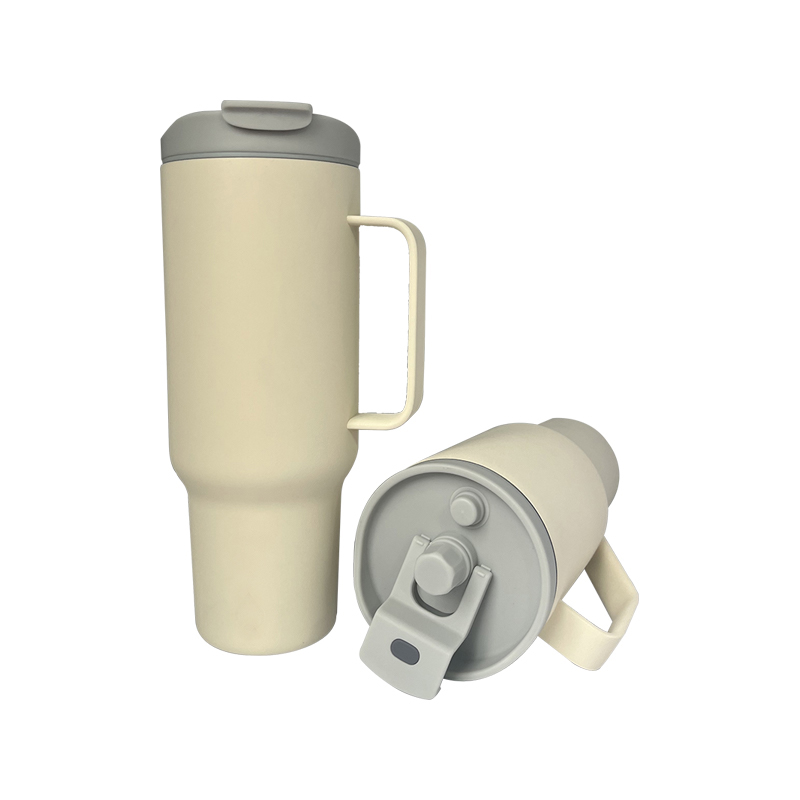 40oz 1200ml Double Wall Stainless Steel Travel Vacuum Insulated Tumbler with Double Magnetic Attraction Lid
Double Insulated Stainless Steel Water Bottle Range Planning
For drinkware importers and wholesalers, managing an insulated bottle range involves more than comparing capacity and appearance. Different bottle sizes can require separate product references, packaging arrangements, and shipping calculations. A Double Insulated Stainless Steel Water Bottle therefore needs to be considered as both a functional product and an item within a broader wholesale assortment.
For manufacturers supplying several markets, the challenge is coordinating the bottle's construction with the commercial requirements of each order. Capacity, overall dimensions, lid configuration, and carton quantities all influence how products are grouped, stored, and replenished.
Capacity Affects More Than Liquid Volume
Bottle capacity is an obvious purchasing specification, but it also affects the physical dimensions of the finished product. Two bottles with similar capacities may have different heights, diameters, and proportions, depending on their construction. These differences influence storage arrangements and the space available for packaging.

When sourcing a Double Insulated Stainless Steel Water Bottle, buyers should record both the nominal capacity and the external dimensions. Capacity helps define the product category, while external measurements are needed for packaging calculations, warehouse planning, and shipping estimates.
For distributors maintaining several bottle sizes, consistent product records make it easier to distinguish variants. A product listing that identifies capacity but omits overall dimensions may provide insufficient information for logistics planning. Confirming both details before placing a bulk order gives purchasing teams a clearer basis for comparing alternatives.
Double-Wall Construction Shapes the Product Structure
Double-wall stainless steel construction uses inner and outer walls separated by a vacuum layer. This structure reduces heat transfer between the beverage and the surrounding environment. The space between the walls, the joining points, and the finished body's dimensions all form part of the manufacturing process.
For a Double Insulated Stainless Steel Water Bottle, changes to the body size can affect the dimensions of the inner and outer components. Manufacturers must account for these differences when producing bottles in multiple capacities. The same external appearance does not necessarily indicate an identical internal structure.
Buyers should therefore distinguish between a shared product appearance and a shared construction specification. When a range includes several sizes, the approved product information should identify the relevant dimensions and construction details for each version instead of treating the entire range as one interchangeable item.
Lid Compatibility Needs Separate Confirmation
The lid is another factor in managing a bottle range. Thread dimensions, mouth openings, and sealing components need to correspond with the bottle body. A lid used on one model should not automatically be assumed to fit another model simply because both bottles belong to the same product family.
When ordering a Double Insulated Stainless Steel Water Bottle, distributors should confirm the lid configuration for each size and variant. If a range includes different closures, those differences should be reflected in the product records and purchase order.
This is especially useful for wholesale programs that offer multiple colors or lid options. Clear variant identification helps prevent confusion when products are replenished or prepared for separate retail channels. It also gives the manufacturer a defined reference for assembling the correct combination of body and lid.
Carton Planning Starts With Finished Dimensions
The dimensions of the finished bottle influence how products are arranged in individual packaging and shipping cartons. Taller bottles, wider bodies, and different lid shapes can change the space required per unit. Packaging quantities should therefore be confirmed against the actual product configuration.
For a Double Insulated Stainless Steel Water Bottle, buyers can request the packed dimensions, units per carton, carton weight, and gross carton measurements before confirming shipping arrangements. These details help importers estimate warehouse space and compare freight requirements across different models.
A change in capacity or lid configuration may also require a review of the existing packaging arrangement. If a product is revised after sample approval, the carton plan should be checked again rather than copied automatically from the previous version. This helps keep shipping calculations aligned with the goods being ordered.
Consistent Records Support Repeat Orders
A multi-variant bottle range becomes easier to manage when each item has a clearly defined product record. Useful information includes capacity, external dimensions, body construction, lid type, surface finish, packaging details, and the approved product reference.
For buyers sourcing a Double Insulated Stainless Steel Water Bottle, these records connect product selection with purchasing and replenishment. They also help distinguish a new variation from an existing model when a manufacturer updates dimensions or changes a component.
Zhejiang Linghong Industry & Trade Co., Ltd. lists vacuum flasks among its product categories, alongside sports bottles, mugs, and tumblers. For wholesale customers developing a coordinated drinkware range, confirming the exact configuration and packaging details for each selected model helps establish a consistent basis for future orders.
A Double Insulated Stainless Steel Water Bottle range is easier to manage when product dimensions, component compatibility, and shipping information are treated as connected purchasing details. This approach helps distributors maintain clearer product records while coordinating bulk orders across different capacities and configurations.
-
Tel
+86-579-87252573
-
Fax
+86-579-87510911
-
Mobile
+86-15157970274
Follow
Factory Address
NO.3 Weier East Road, Hardware Industrial Zone, Tongqin Town, Wuyi County, Jinhua City, Zhejiang Province, China
If You Have Any Query
Send Message
Copyright © Zhejiang Linghong lndustry & Trade Co., Ltd. All Rights Reserved.

Stainless Steel Bottle Factory