

 English
 русский
 Français
 Español
-
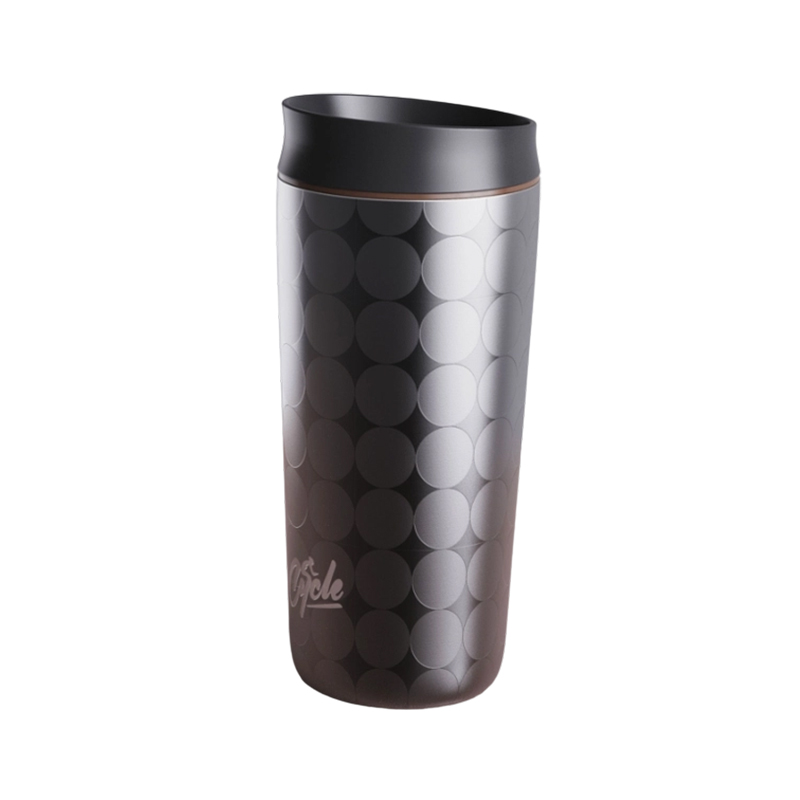 Switchable Dual-Function Lid Coffee Mug
-
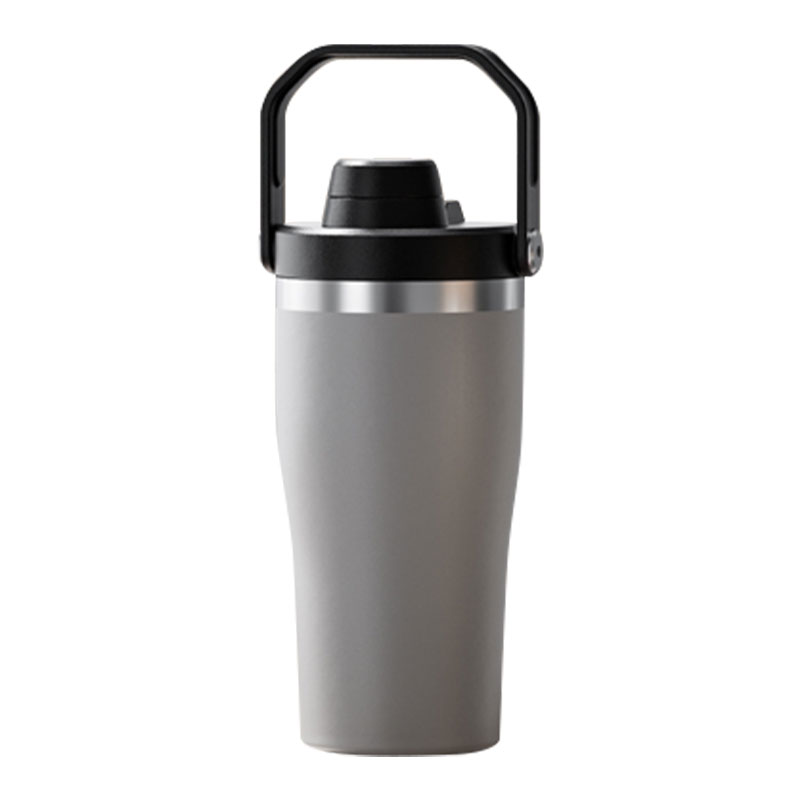 Portable Stainless Steel Mini Ice Bucket
-
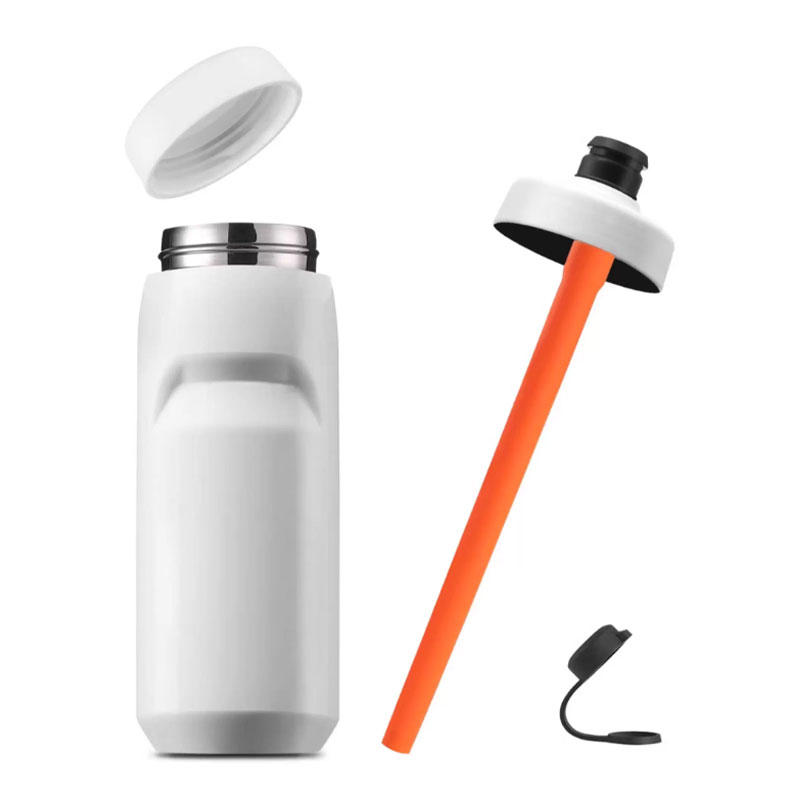 Concave-Designed Sports Water Bottle
-
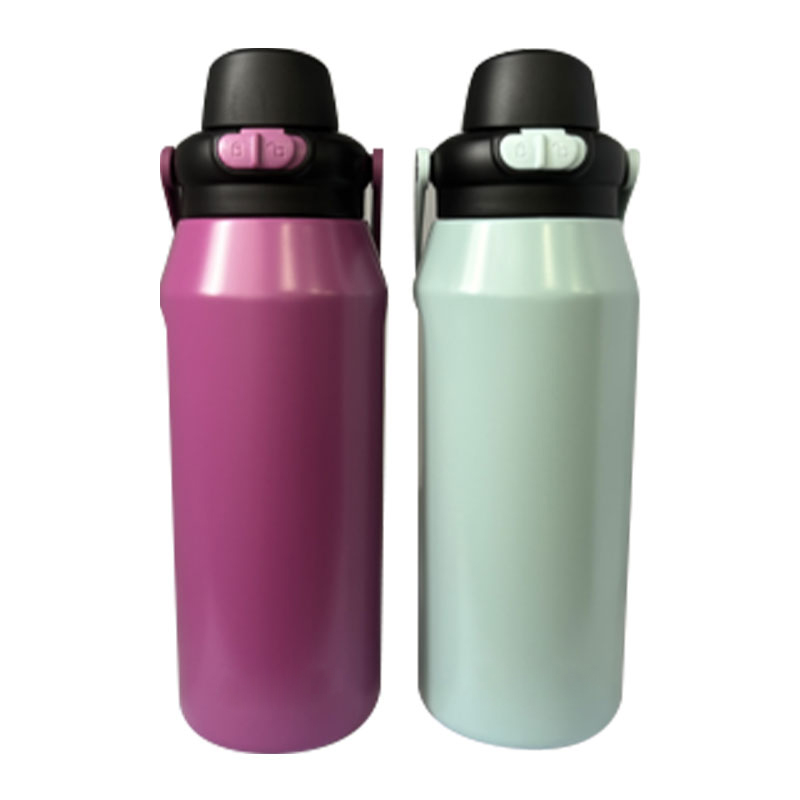 Wide-Mouth Flip Lid Sports Bottle
-
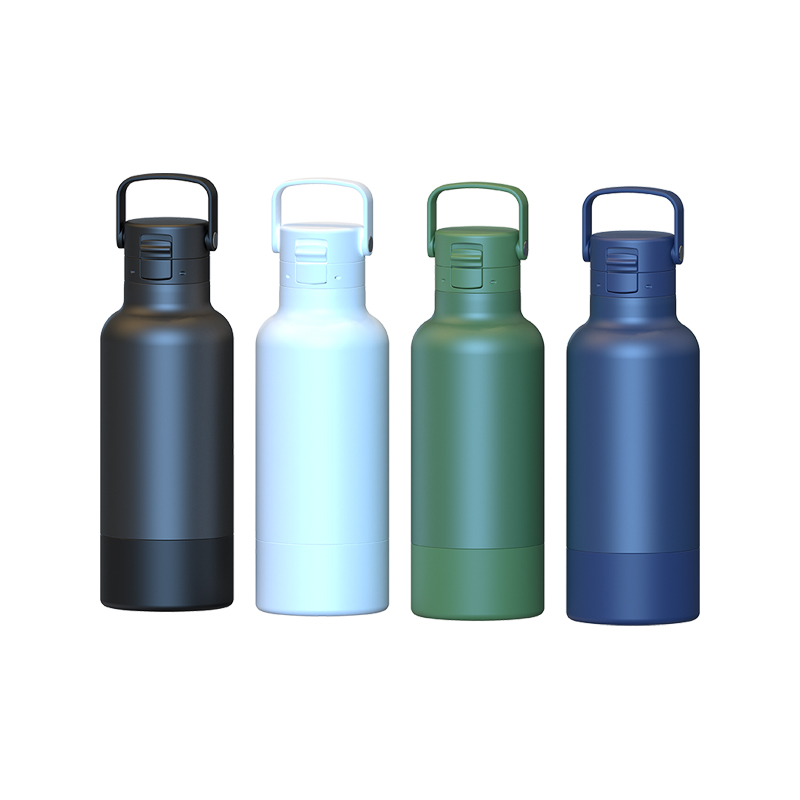 750ml Stainless Steel Flask Foldable Handle Portable Camping Sports Water Bottle
-
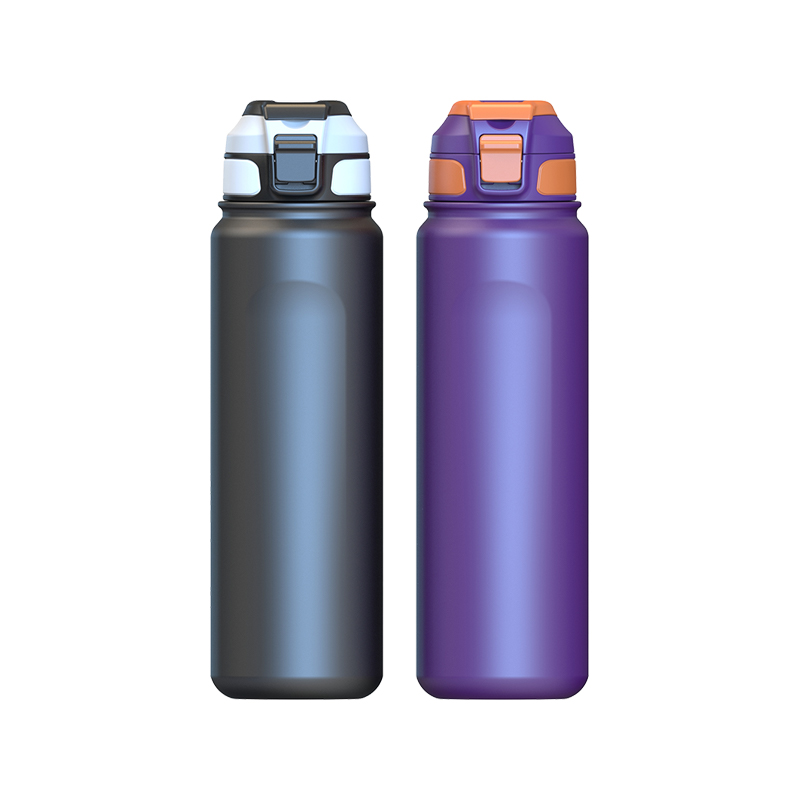 700ml Stainless Steel Sports Fitness Insulated Water Bottle With Portable Drink Lid Multifunctional Straw Thermos Cup
-
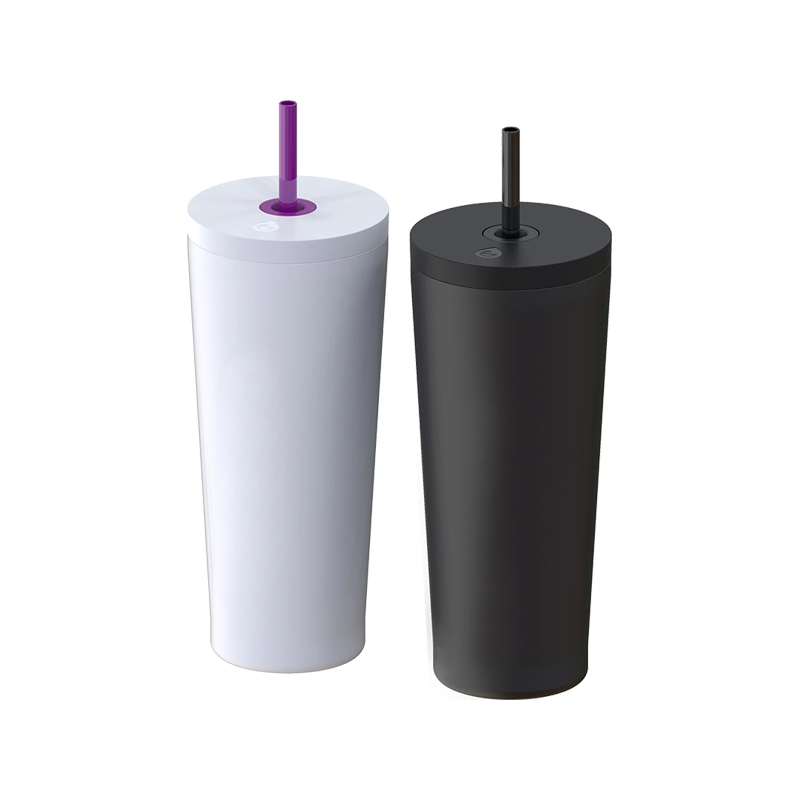 24oz Double Layer 304 Stainless Steel Travel Vacuum Insulated Tumbler 700ml Drink Straw Cup With Internal Screw Cover
-
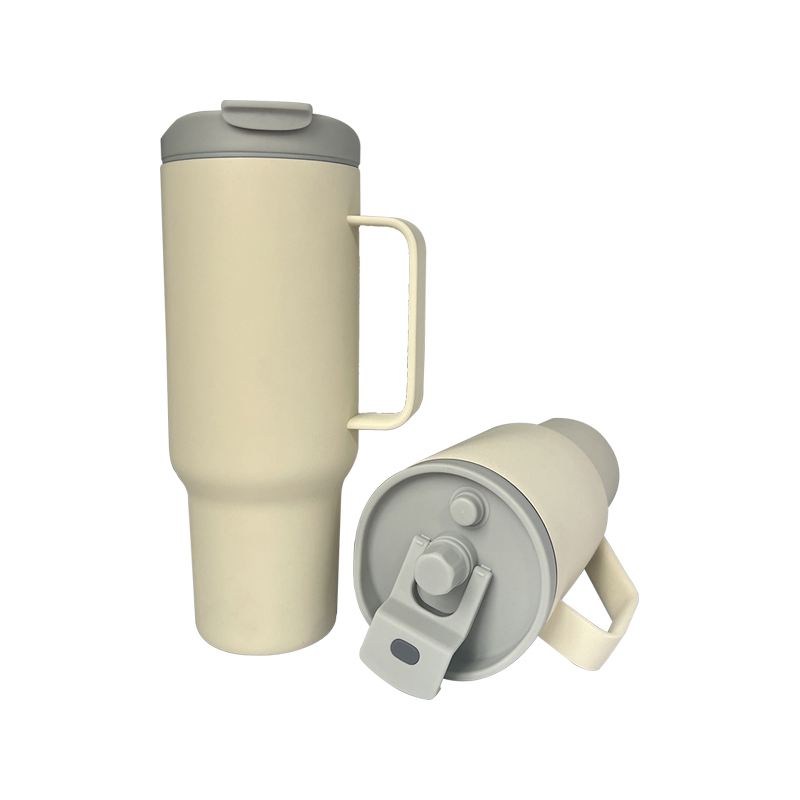 40oz 1200ml Double Wall Stainless Steel Travel Vacuum Insulated Tumbler with Double Magnetic Attraction Lid
How Custom Insulated Mugs Move From Design to Production?
A lot of people think custom drinkware mainly involves printing a logo onto a finished cup.
Inside factories, the process is far more detailed than that.
For many brands, cafés, corporate buyers, and promotional projects, a custom insulated mugs order usually passes through multiple technical stages before mass production even begins. Material selection, lid matching, surface treatment, insulation testing, and logo compatibility all influence the final result.
Sometimes the biggest production challenges are not related to appearance at all.
They come from maintaining consistency across large quantities while keeping the mug functional for long-term daily use.
The Design Stage Usually Starts With Usage Scenarios
Before production begins, factories often ask how the custom insulated mugs will actually be used.
A travel mug for outdoor sports requires different structure decisions compared with a corporate gift mug or café retail tumbler. Some buyers prioritize portability, while others focus more on appearance, branding area, or heat retention time.
This early stage affects several manufacturing decisions immediately:
- bottle capacity
- lid structure
- stainless steel thickness
- surface coating type
- logo application method
Factories usually avoid treating all insulated mugs as identical products because usage conditions change material and structure requirements significantly.
Mold Selection Influences Production Cost
For standard custom insulated mugs, many factories already have existing mold systems available. This lowers development time and allows logo customization without creating completely new tooling.
However, once buyers request special body shapes, custom lids, or unique handle structures, mold development becomes much more expensive.
Injection molds for lids and accessories require particularly careful precision because even small dimensional differences affect sealing stability later.
This is why some factories recommend modifying existing cup structures instead of building entirely new designs from scratch.
The production risk becomes much lower.
Vacuum Insulation Happens Before Decoration
Inside manufacturing workshops, the insulation structure of custom insulated mugs is usually completed before logo printing begins.
The inner and outer stainless steel walls are welded together first. After that, vacuum extraction creates the insulation layer between them.
This stage affects thermal performance directly.
If vacuum consistency becomes unstable, the mug may lose heat much faster even though the exterior appearance still looks perfect. Factories therefore test vacuum quality carefully before moving into decorative processing.
In many cases, insulation failure cannot be detected visually from outside the product.
That is why thermal testing remains one of the most important quality-control steps during production.
Surface Treatment Changes Both Appearance And Durability
After structural assembly, custom insulated mugs move into surface finishing processes.
Different coating methods create very different product behavior over time. Powder coating, spray painting, electroplating, and polished stainless finishes all respond differently to scratches, hand contact, and long-term use.
For promotional drinkware especially, surface durability matters heavily because logos experience continuous friction during daily carrying.
Common surface options include:
- matte powder coating
- glossy painted finishes
- electroplated metallic surfaces
- brushed stainless textures
- rubberized soft-touch coatings
Each finish changes not only the visual appearance but also grip feeling and scratch visibility during use.
Logo Printing Is More Technical Than It Looks
Many buyers focus almost entirely on the logo stage when ordering custom insulated mugs.
Actually, logo application depends heavily on the mug surface itself.
Curved stainless surfaces behave differently from flat sections during printing. Some coating types accept laser engraving well but create problems for silk-screen printing. Others work better for UV printing or heat-transfer graphics.
Factories usually choose logo processes based on:
- production quantity
- artwork complexity
- surface texture
- color requirements
- durability expectations
For example, laser engraving lasts longer under heavy use but produces a more limited visual effect compared with multi-color printing.
Different branding projects require different compromises.
Lid Matching Quietly Affects User Experience
One thing many buyers underestimate is lid compatibility.
A custom insulated mugs product may look visually attractive while still performing poorly if the lid fit becomes unstable during repeated use. Thread precision and silicone seal consistency both influence leakage resistance heavily.
Inside factories, lid testing often includes repeated opening cycles because mechanical wear gradually changes sealing pressure over time.
This becomes especially important for travel mugs carried inside bags or vehicles.
Actually, complaints about insulated mugs often begin around the lid system rather than the stainless body itself.
Packaging Is Part Of The Production Process Too
For export orders, packaging design becomes part of the manufacturing workflow instead of an afterthought.
A custom insulated mugs product moving through international shipping experiences vibration, stacking pressure, and long transportation times. Poor internal packaging may damage surface coatings long before the mugs reach customers.
Factories therefore often test:
- carton compression strength
- inner tray stability
- scratch protection
- drop resistance
- moisture protection
For gift-oriented projects especially, packaging appearance also affects final product presentation significantly.
Mass Production Depends On Consistency
The difficult part of manufacturing custom insulated mugs is not creating one good sample.
The challenge is producing thousands of identical units while maintaining stable insulation, accurate logo positioning, and consistent surface quality across the entire order.
Small variations become much more noticeable during large production runs.
That is why experienced factories pay close attention to process stability rather than only individual product appearance.
For buyers, the finished mug may seem simple.
Inside production lines, however, every stage — from vacuum sealing to surface coating and lid assembly — affects how the product performs once it reaches daily use.
-
Tel
+86-579-87252573
-
Fax
+86-579-87510911
-
Mobile
+86-15157970274
Follow
Factory Address
NO.3 Weier East Road, Hardware Industrial Zone, Tongqin Town, Wuyi County, Jinhua City, Zhejiang Province, China
If You Have Any Query
Send Message
Copyright © Zhejiang Linghong lndustry & Trade Co., Ltd. All Rights Reserved.

Stainless Steel Bottle Factory