

 English
 русский
 Français
 Español
-
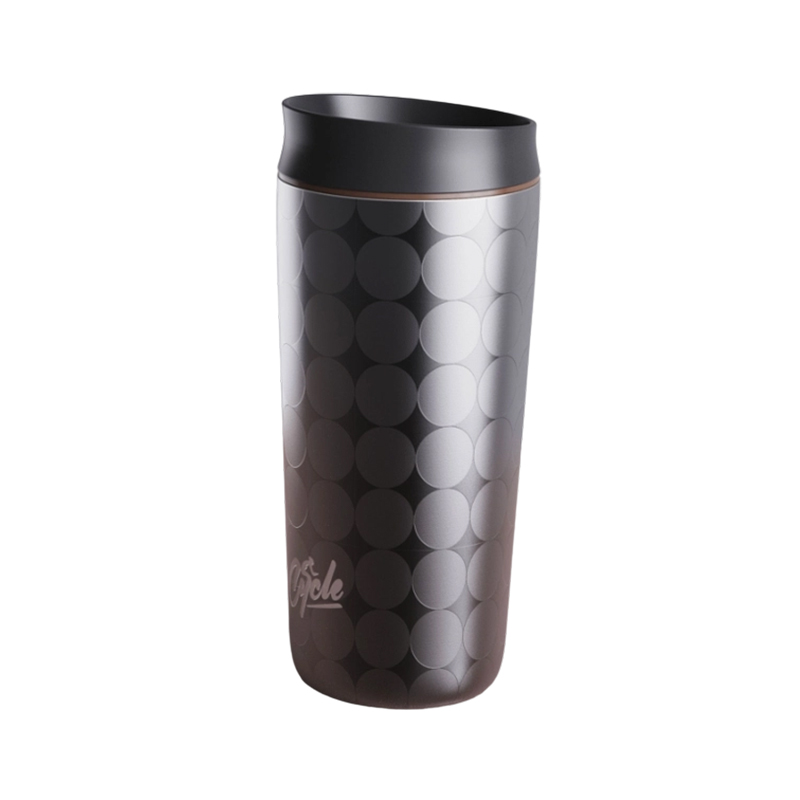 Switchable Dual-Function Lid Coffee Mug
-
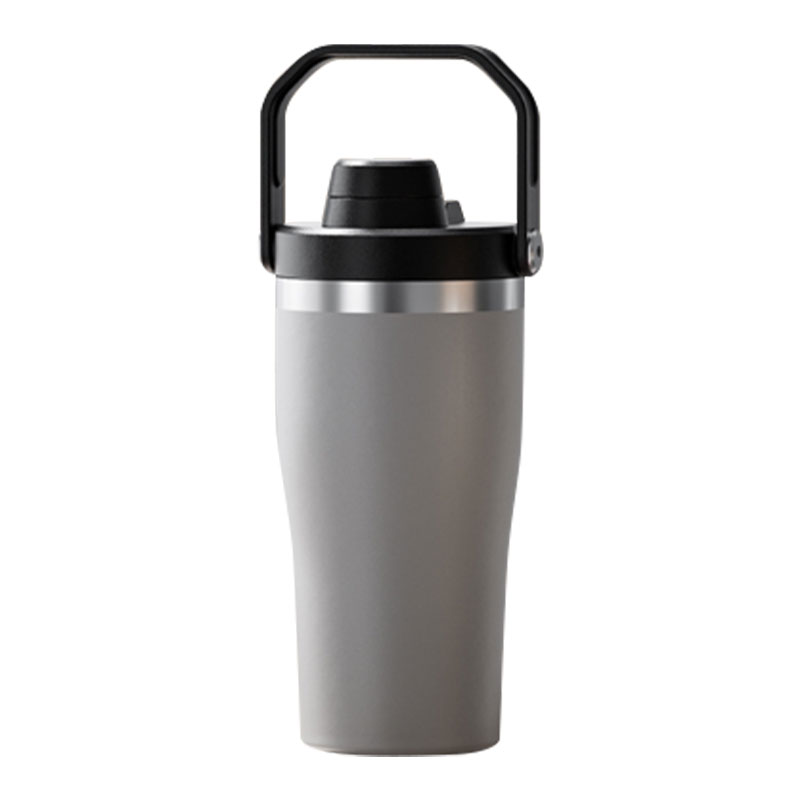 Portable Stainless Steel Mini Ice Bucket
-
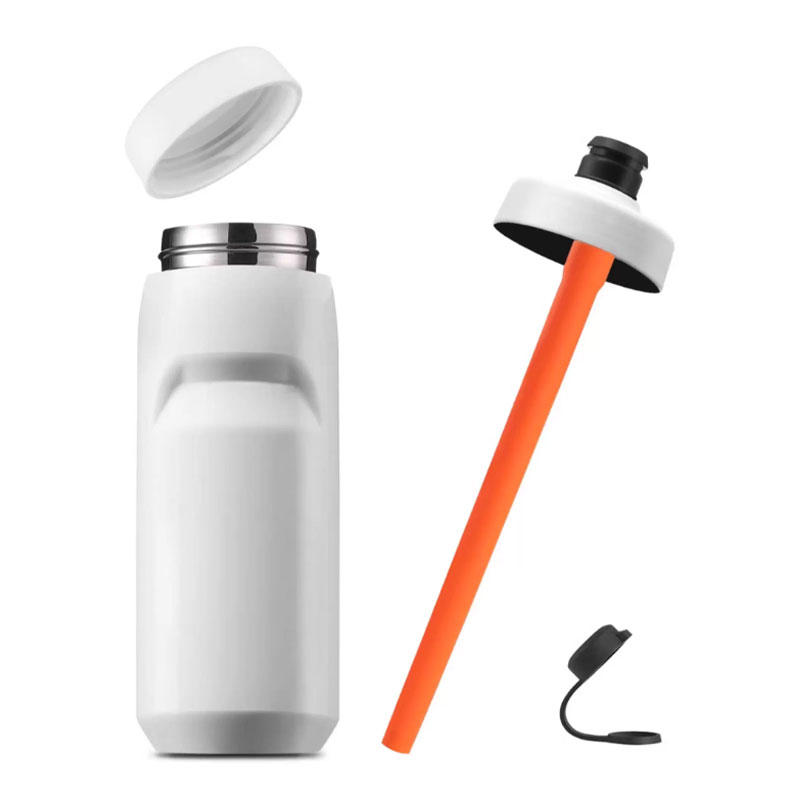 Concave-Designed Sports Water Bottle
-
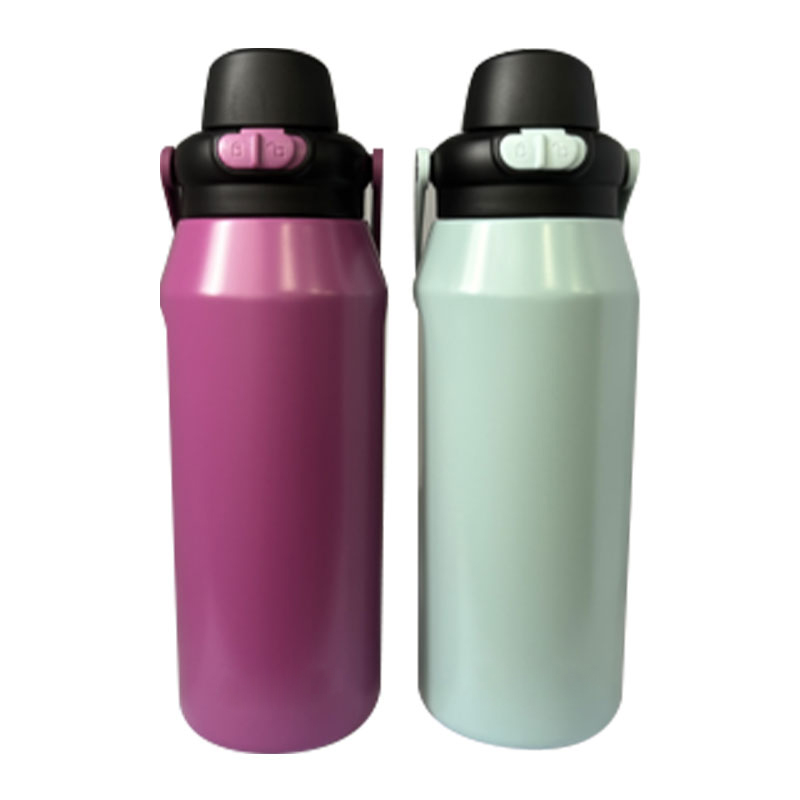 Wide-Mouth Flip Lid Sports Bottle
-
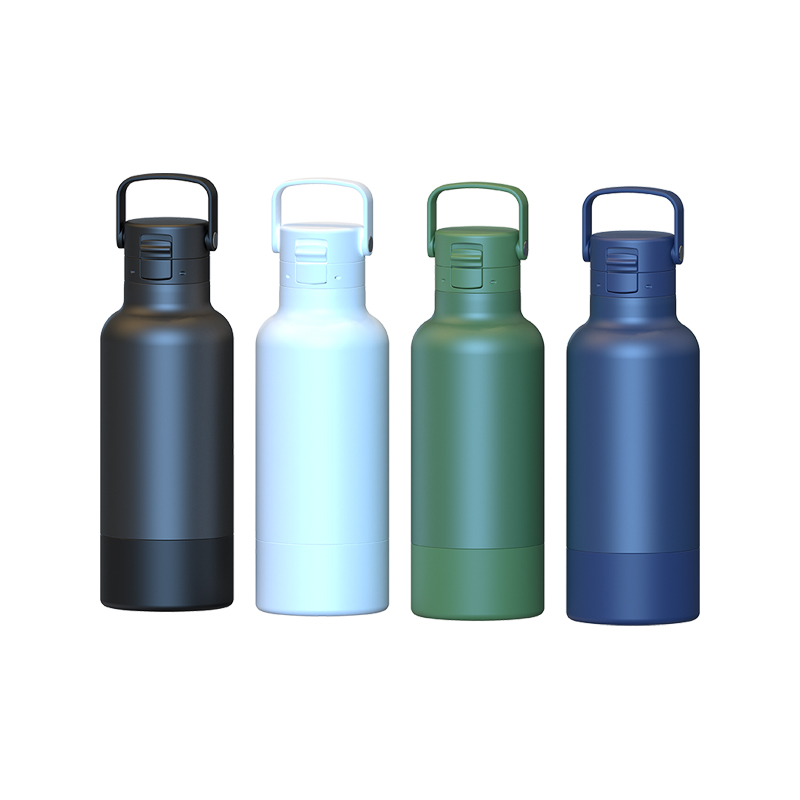 750ml Stainless Steel Flask Foldable Handle Portable Camping Sports Water Bottle
-
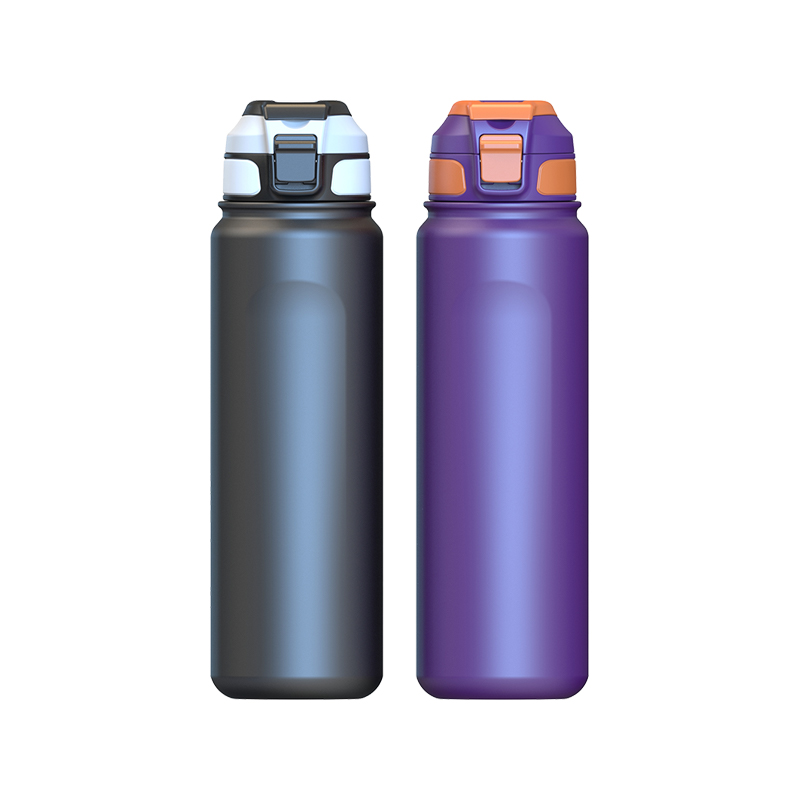 700ml Stainless Steel Sports Fitness Insulated Water Bottle With Portable Drink Lid Multifunctional Straw Thermos Cup
-
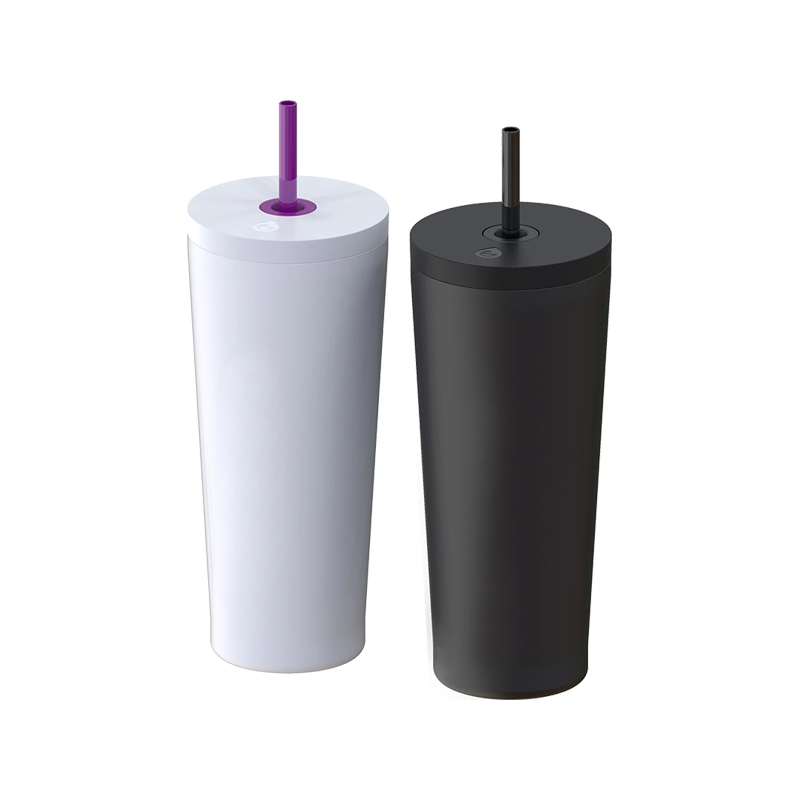 24oz Double Layer 304 Stainless Steel Travel Vacuum Insulated Tumbler 700ml Drink Straw Cup With Internal Screw Cover
-
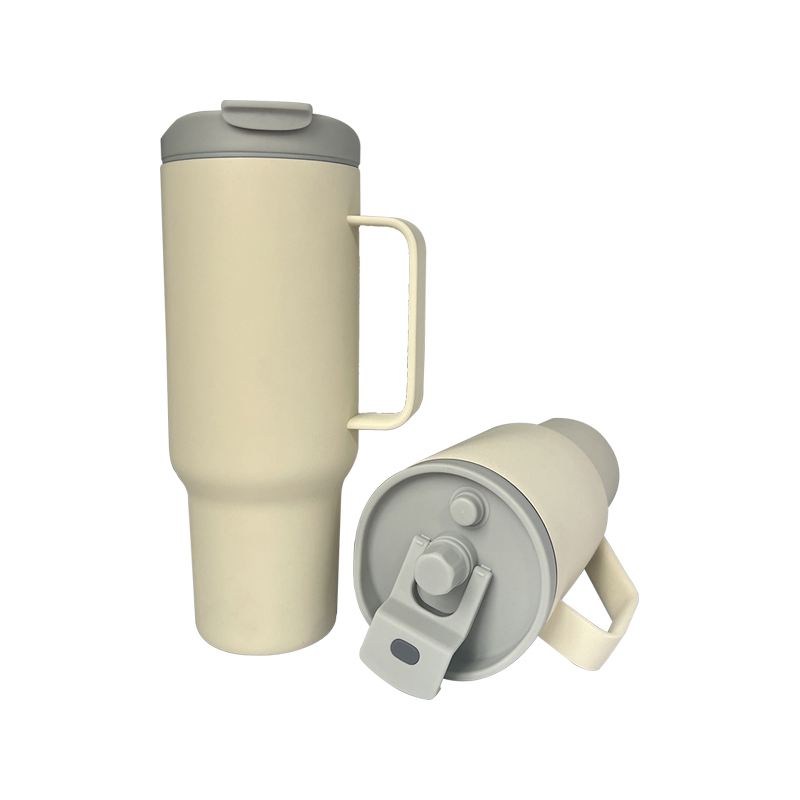 40oz 1200ml Double Wall Stainless Steel Travel Vacuum Insulated Tumbler with Double Magnetic Attraction Lid
Why Lightweight Thermos Water Bottle Matter for Travel?
People notice weight much faster during travel than during daily office use.
A bottle that feels perfectly acceptable on a desk may suddenly become annoying after several hours inside a backpack, hanging from a carry strap, or moving through airports and train stations repeatedly.
That is one reason the lightweight thermos water bottle category has become increasingly popular among travelers, commuters, and outdoor users in recent years.
The demand is no longer only about insulation time.
Portability quietly became part of the product experience itself.
Travel Changes How Bottles Are Used
Inside factories, engineers often separate travel bottles from ordinary home-use drinkware because user behavior changes completely once movement becomes constant.
A lightweight thermos water bottle carried during travel experiences much more vibration, impact, and repeated handling than a bottle sitting on an office table.
People place it into backpack side pockets, cup holders, luggage compartments, gym bags, and airport trays multiple times a day.
Over time, small design details become surprisingly important.
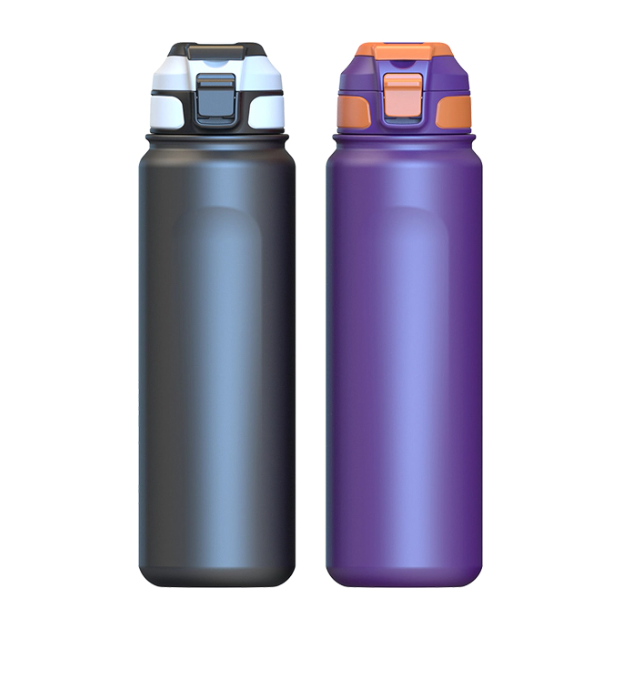
A bottle that is slightly too wide may not fit common travel cup holders properly. One that is too heavy creates shoulder fatigue during long walking periods even if the insulation performance is excellent.
This is why many travel bottles now prioritize weight balance as carefully as thermal retention.
Reducing Weight Is Harder Than It Looks
A lot of buyers assume manufacturers simply use thinner stainless steel to create a lightweight thermos water bottle.
In reality, reducing weight while maintaining structural stability is more complicated.
Vacuum-insulated bottles rely on double-wall construction. Once material thickness decreases too much, dent resistance changes immediately, especially around the bottom section and lid threads.
Travel conditions make this even more challenging because portable bottles receive more accidental impact than stationary drinkware.
Factories usually adjust several areas differently instead of thinning the entire structure evenly.
Common weight-saving strategies include:
- optimizing inner wall thickness
- reducing unnecessary base mass
- using lighter lid materials
- redesigning carrying handles
- simplifying internal support structures
The goal is reducing carrying fatigue without making the bottle feel fragile during daily travel use.
Lid Design Matters More During Movement
During travel, the lid often receives more stress than the bottle body itself.
A lightweight thermos water bottle carried inside luggage or backpacks experiences constant shaking and pressure changes. Weak lids begin leaking much earlier under these conditions compared with ordinary desktop use.
This is why travel-oriented bottles often use simplified sealing structures rather than complicated moving mechanisms.
Actually, many experienced travelers care less about advanced lid functions and more about predictable leak resistance.
One poorly sealed bottle inside a backpack can ruin electronics, clothing, or travel documents very quickly.
Because of that, factories usually test portable bottles under movement simulation rather than only static leak testing.
Surface Finish Changes Real Travel Durability
Glossy finishes may look attractive in product photos, but travel conditions expose coating weaknesses quickly.
A lightweight thermos water bottle constantly rubs against zippers, keys, charging cables, and bag interiors during transportation. Lower-grade coatings often show scratches around the bottom edge and carrying points after relatively short use periods.
Matte powder coating became popular partly because it hides abrasion more naturally during long-term carrying.
Texture also affects grip.
During outdoor travel or gym use, slightly textured finishes provide more stable handling when hands become wet or sweaty. Smooth polished surfaces sometimes feel slippery under movement conditions.
That tactile difference becomes more noticeable during active use than while browsing products online.
Travel Temperature Changes Bottle Performance
One overlooked issue with a lightweight thermos water bottle is how rapidly external environments change during travel.
A bottle may move from air-conditioned airports to hot outdoor streets, then into cold hotel rooms within a few hours. Those temperature shifts continuously affect lid pressure and condensation behavior.
Hot beverages create additional pressure inside sealed bottles during altitude changes on airplanes or mountain travel routes.
That is why experienced manufacturers usually pay close attention to:
- pressure release stability
- seal elasticity
- thread precision
- vacuum consistency
- condensation control
Travel conditions are simply less predictable than home or office environments.
Carrying Comfort Quietly Affects User Preference
People rarely discuss carrying comfort directly when comparing insulated bottles online.
Yet it strongly affects whether a lightweight thermos water bottle continues being used long-term.
Small ergonomic differences become obvious after repeated daily carrying. Handle position, body diameter, grip curvature, and even weight distribution change how natural the bottle feels while walking or commuting.
This is one reason many portable thermos bottles now use slimmer vertical designs instead of short wide shapes.
The bottle needs to fit both human movement and bag storage efficiently.
In real travel situations, convenience usually matters more than extreme insulation duration numbers.
Travel Bottles Need To Feel Effortless
Most travelers do not analyze bottle engineering while moving through stations, airports, or outdoor routes.
They simply expect the lightweight thermos water bottle to stay comfortable to carry, avoid leaking inside bags, and maintain drink temperature without adding unnecessary weight during long days outside.
That balance is actually difficult to achieve consistently.
A bottle may insulate extremely well but feel tiring after several hours of carrying. Another may be very light but lose stability after repeated travel impact.
The better travel bottles usually avoid attracting attention to themselves.
They simply move through daily travel routines naturally without becoming something the user constantly needs to adjust, check, or worry about.
-
Tel
+86-579-87252573
-
Fax
+86-579-87510911
-
Mobile
+86-15157970274
Follow
Factory Address
NO.3 Weier East Road, Hardware Industrial Zone, Tongqin Town, Wuyi County, Jinhua City, Zhejiang Province, China
If You Have Any Query
Send Message
Copyright © Zhejiang Linghong lndustry & Trade Co., Ltd. All Rights Reserved.

Stainless Steel Bottle Factory