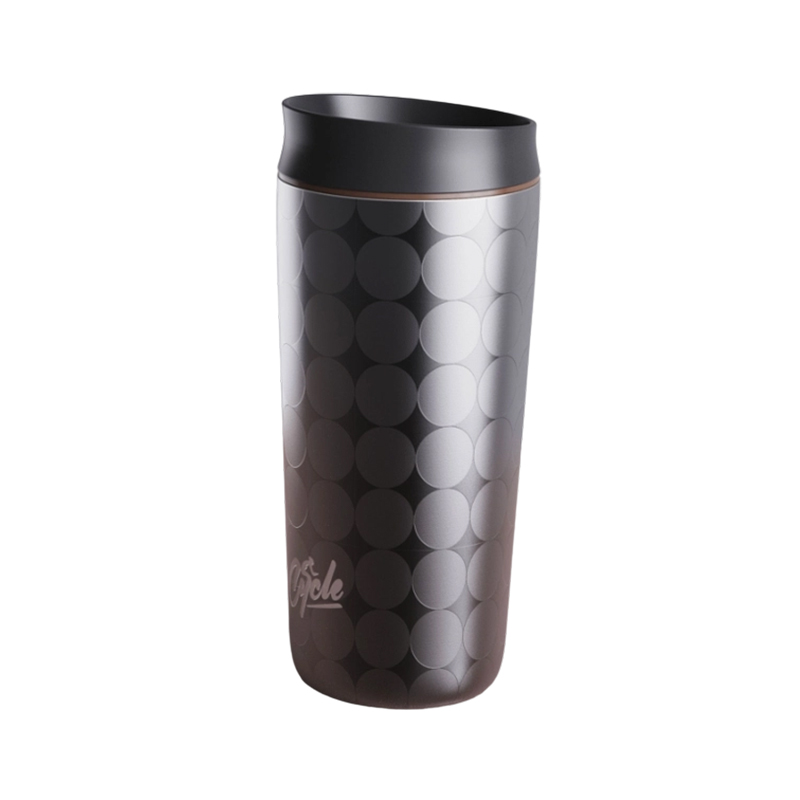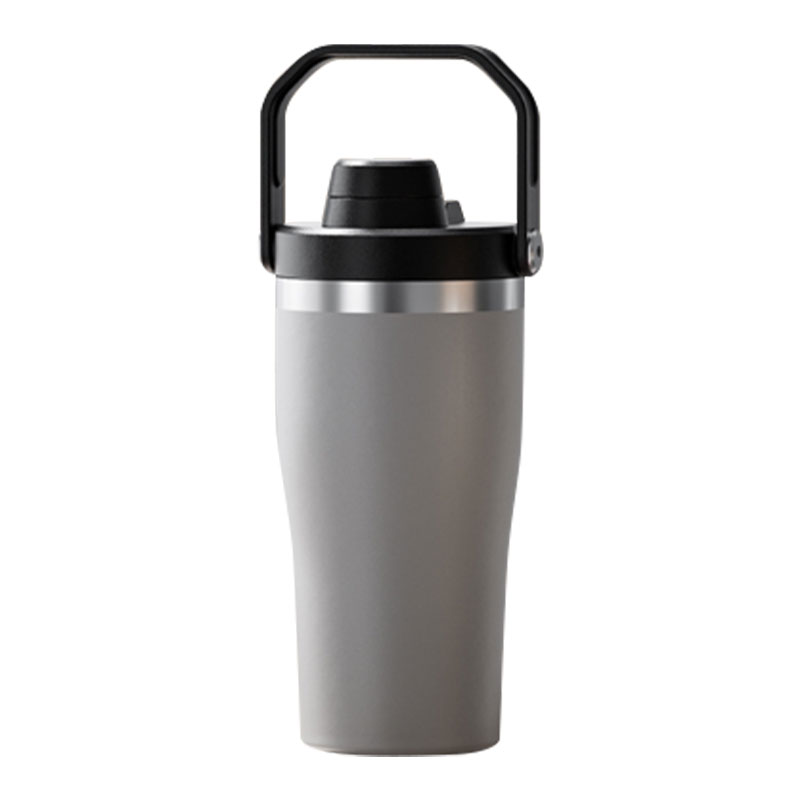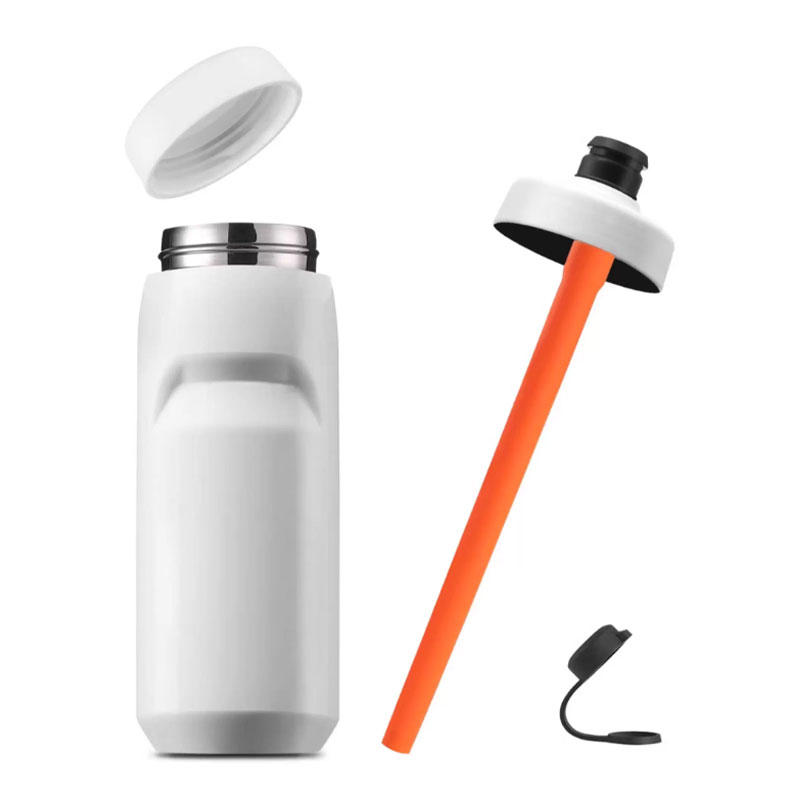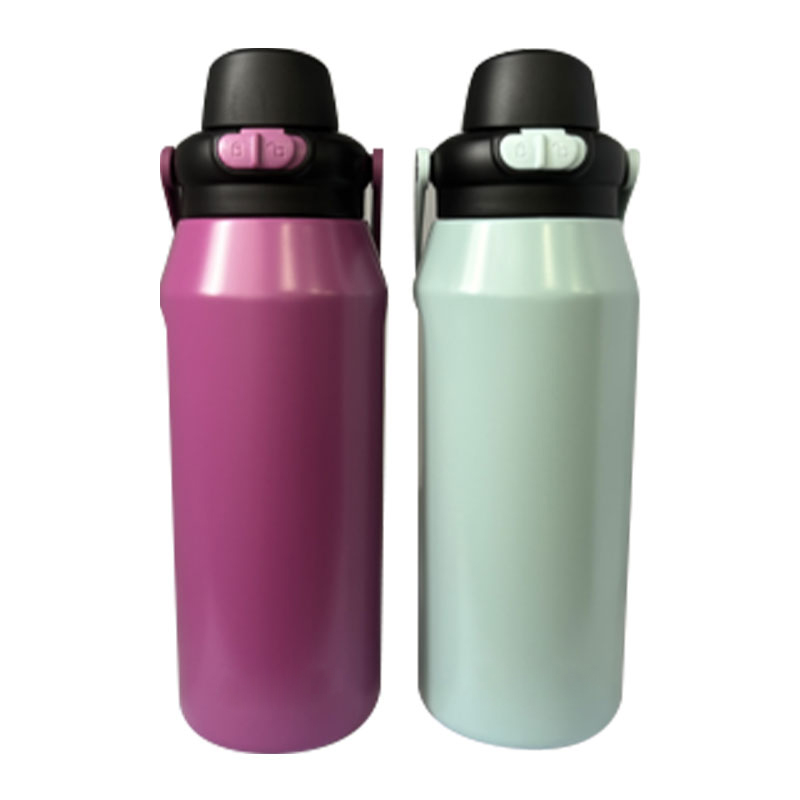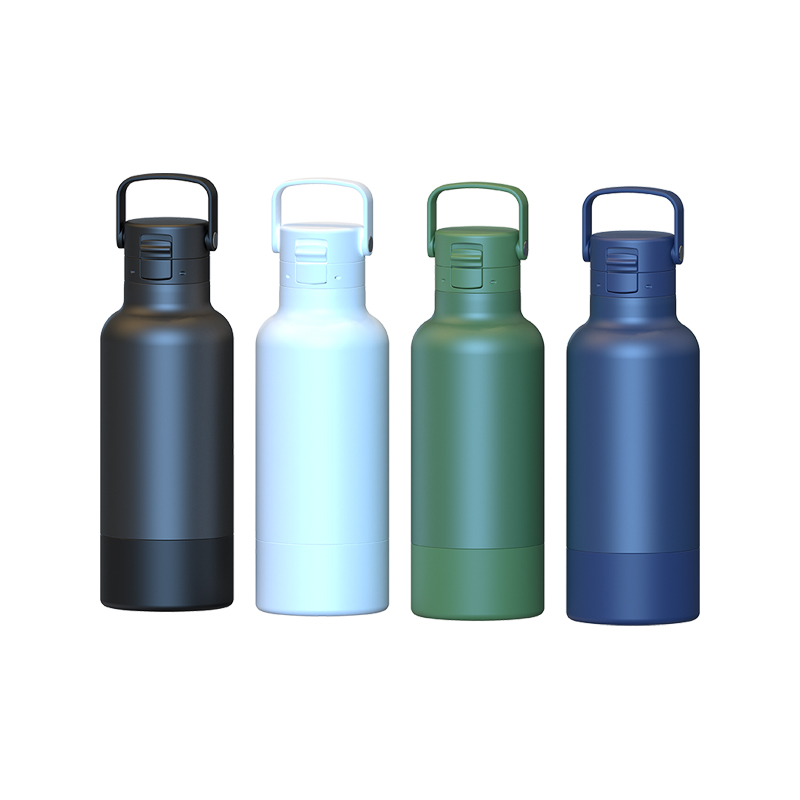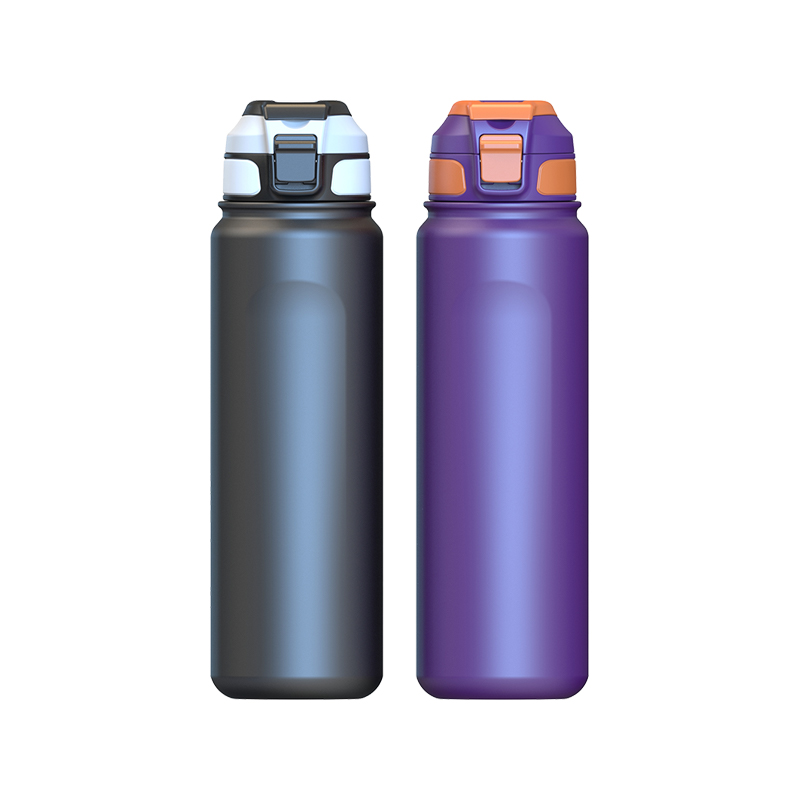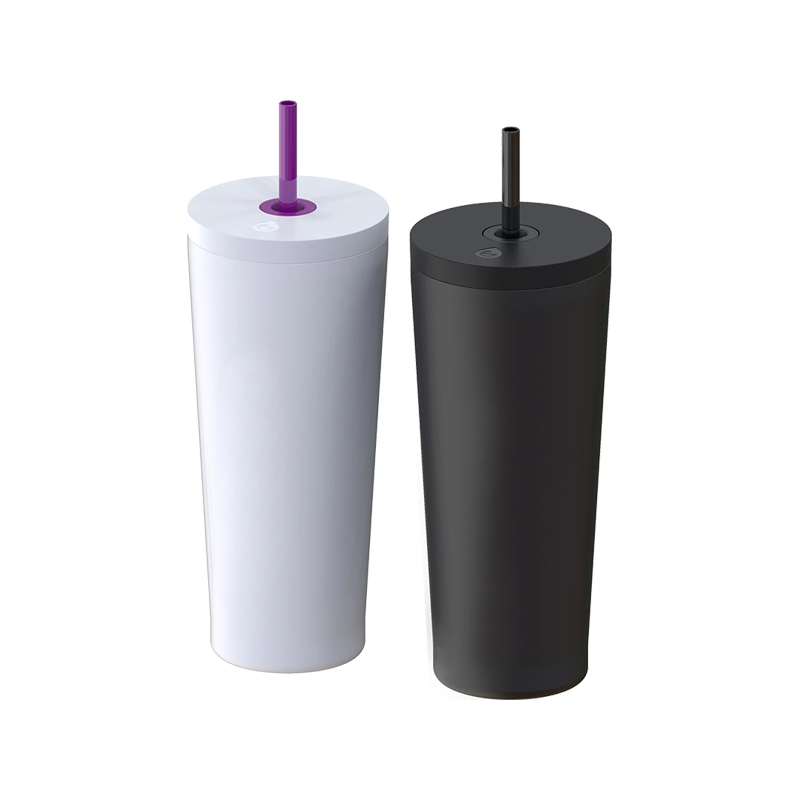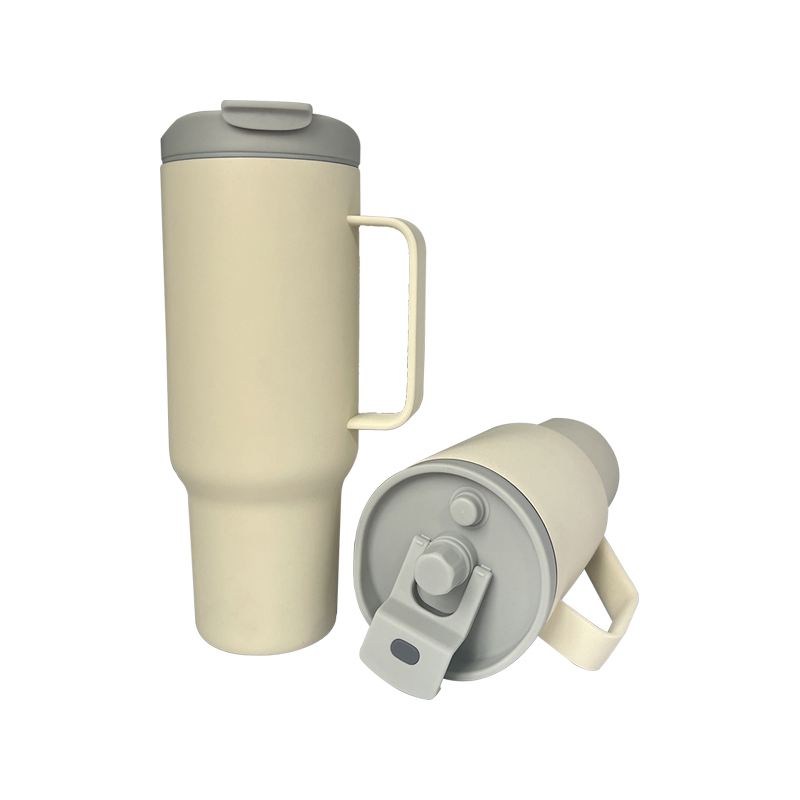
The vacuum flask has remained a popular choice for commuters, outdoor workers, and travelers who need temperature retention throughout the day. Unlike insulated mugs that lose heat quickly, a vacuum flask uses a double-wall construction with evacuated space to less heat transfer. Users have relied on the vacuum flask for hot coffee on morning commutes and cold water on job sites. The ability of a vacuum flask to maintain temperature for 12 to 24 hours explains its continued demand. Manufacturers continue to produce vacuum flask units in various sizes, colors, and lid designs.
Construction principle of a vacuum flask involves two stainless steel walls separated by a gap with no air. The vacuum between the walls of a vacuum flask prevents heat transfer by conduction and convection. A reflective coating on the inner wall of a vacuum flask reduces heat loss through radiation. The lid of a vacuum flask seals tightly to prevent temperature escape through the opening. A high-quality vacuum flask keeps liquids hot or cold for many hours. The efficiency of a vacuum flask depends on the quality of the vacuum seal.
Material selection for a vacuum flask prioritizes durability and food safety. A stainless steel vacuum flask resists dents from drops and does not retain flavors from previous contents. An 18/8 stainless steel vacuum flask contains 18 percent chromium and 8 percent nickel for corrosion resistance. A plastic exterior on some vacuum flask models reduces weight and provides grip texture. A glass-lined vacuum flask offers better temperature retention but breaks more easily. The interior surface of a vacuum flask should be smooth for easy cleaning.
Lid designs for a vacuum flask serve different drinking preferences. A screw-on cup lid for a vacuum flask serves as both closure and drinking vessel. A flip-top lid on a vacuum flask allows one-handed operation while driving or walking. A straw lid for a vacuum flask permits sipping without tilting the flask upward. A push-button lid on a vacuum flask opens with a press and seals automatically when released. The lid of a vacuum flask should be easy to clean and not trap moisture.
Capacity options for a vacuum flask suit different daily needs. A 12 to 16 ounce vacuum flask fits in car cup holders for commuters. A 20 to 24 ounce vacuum flask serves a full work shift with one fill. A 32 to 40 ounce vacuum flask suits construction workers or hikers needing all-day hydration. A 64 ounce vacuum flask or larger serves family outings or all-day fishing trips. The capacity of a vacuum flask should match the duration between opportunities to refill.
Temperature retention testing of a vacuum flask confirms performance claims. A quality vacuum flask keeps hot liquids above 140 degrees Fahrenheit for 12 hours. A vacuum flask filled with ice water should still contain ice after 24 hours at room temperature. The lid insulation of a vacuum flask affects overall temperature retention. A pre-heated or pre-chilled vacuum flask performs better than one started at room temperature. The temperature loss rate of a vacuum flask increases as the liquid approaches ambient.
The vacuum flask will likely continue serving commuters and outdoor users. Advances in insulation technology may produce lighter vacuum flask with better performance. For anyone needing temperature retention, the vacuum flask offers a proven solution.