

 English
 русский
 Français
 Español
-
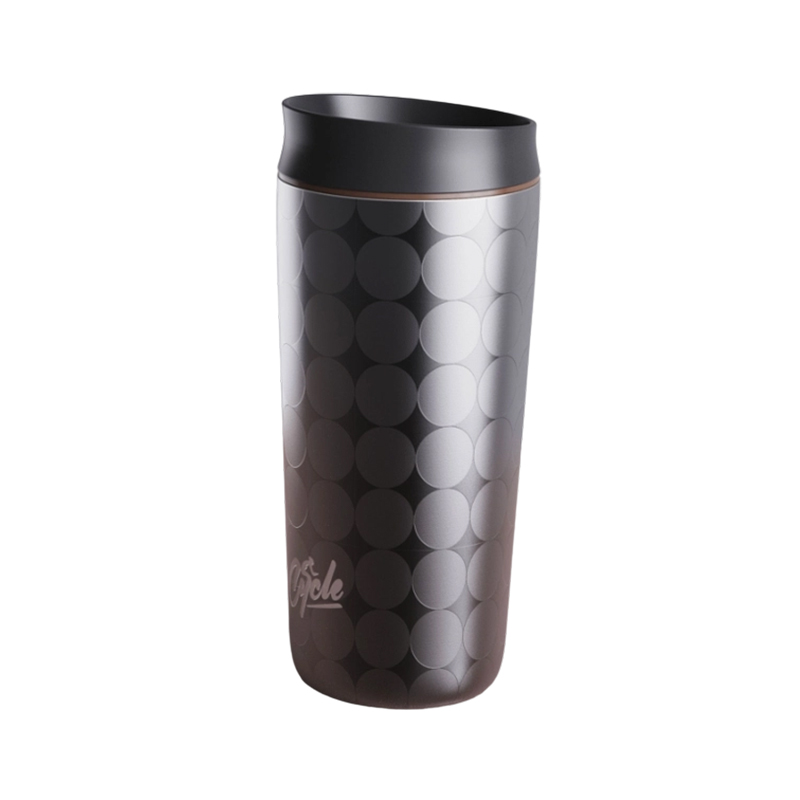 Switchable Dual-Function Lid Coffee Mug
-
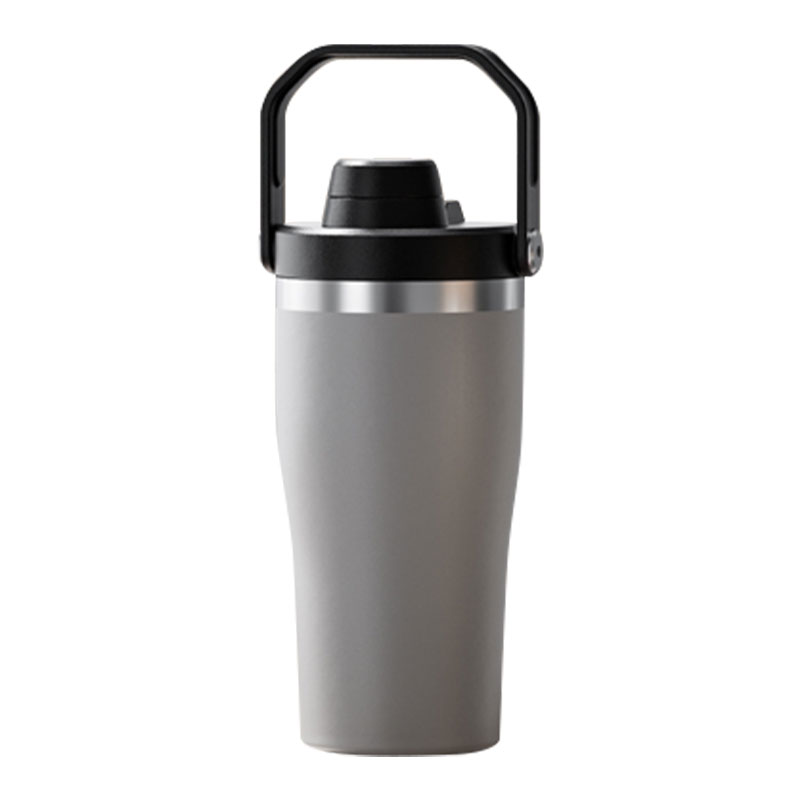 Portable Stainless Steel Mini Ice Bucket
-
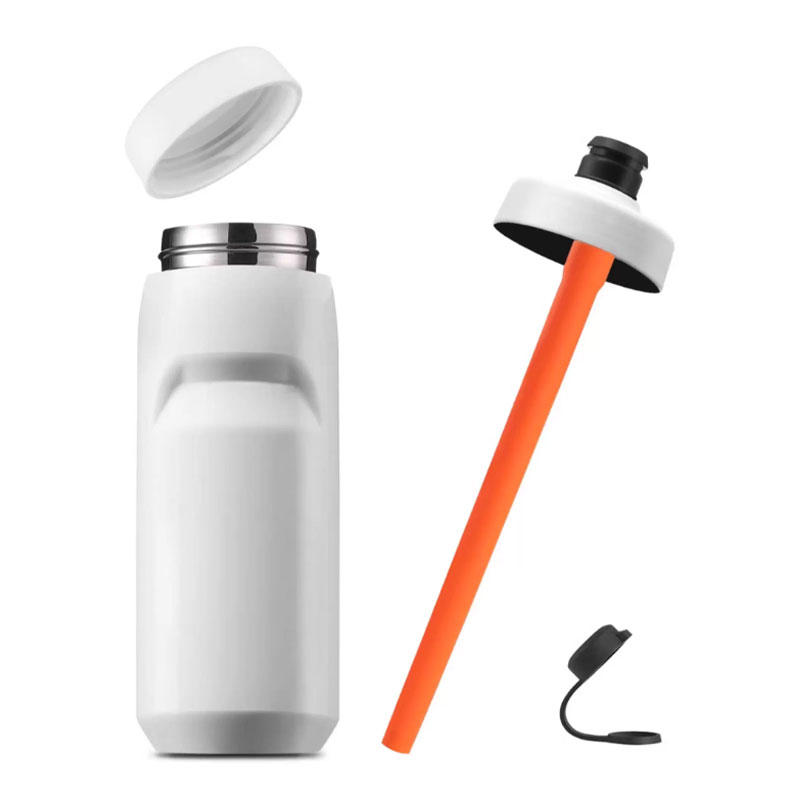 Concave-Designed Sports Water Bottle
-
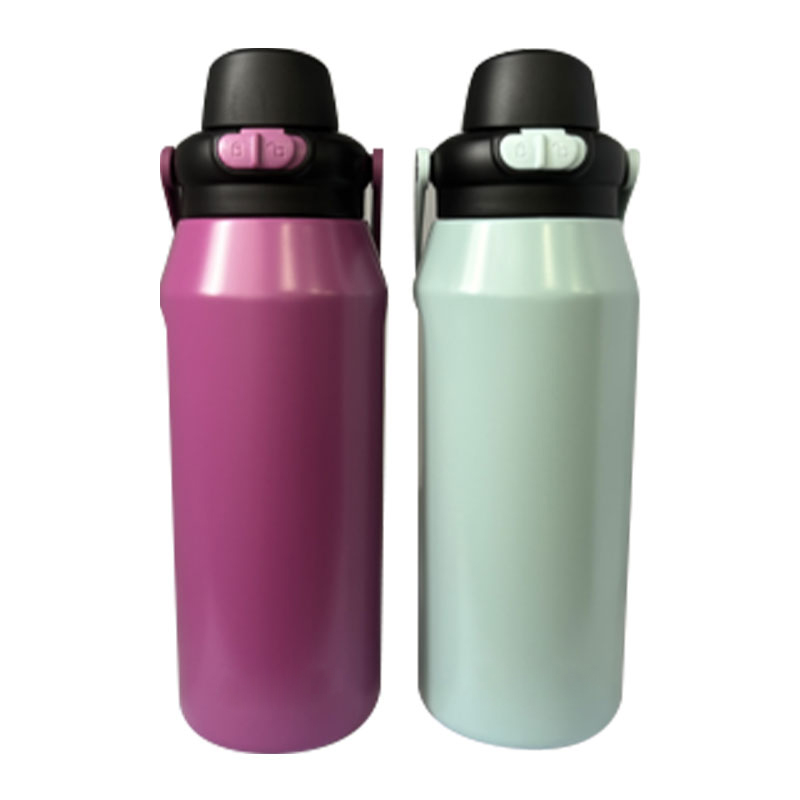 Wide-Mouth Flip Lid Sports Bottle
-
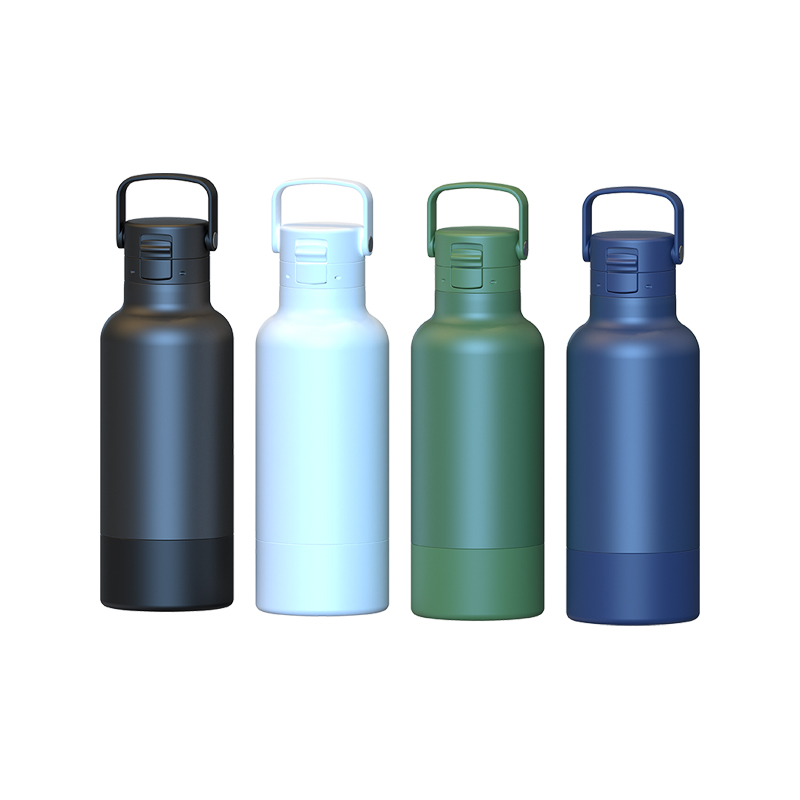 750ml Stainless Steel Flask Foldable Handle Portable Camping Sports Water Bottle
-
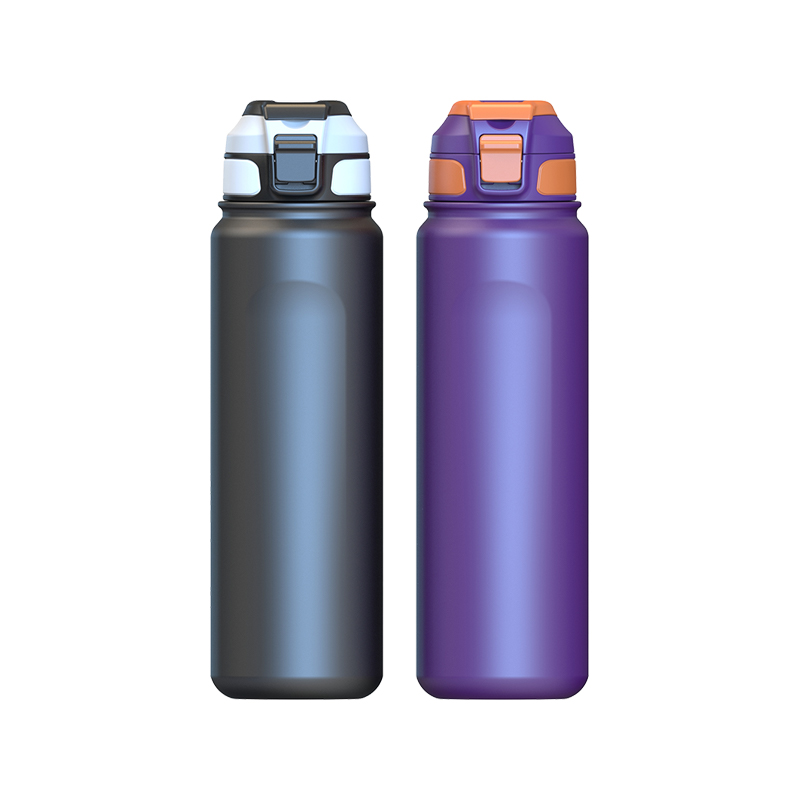 700ml Stainless Steel Sports Fitness Insulated Water Bottle With Portable Drink Lid Multifunctional Straw Thermos Cup
-
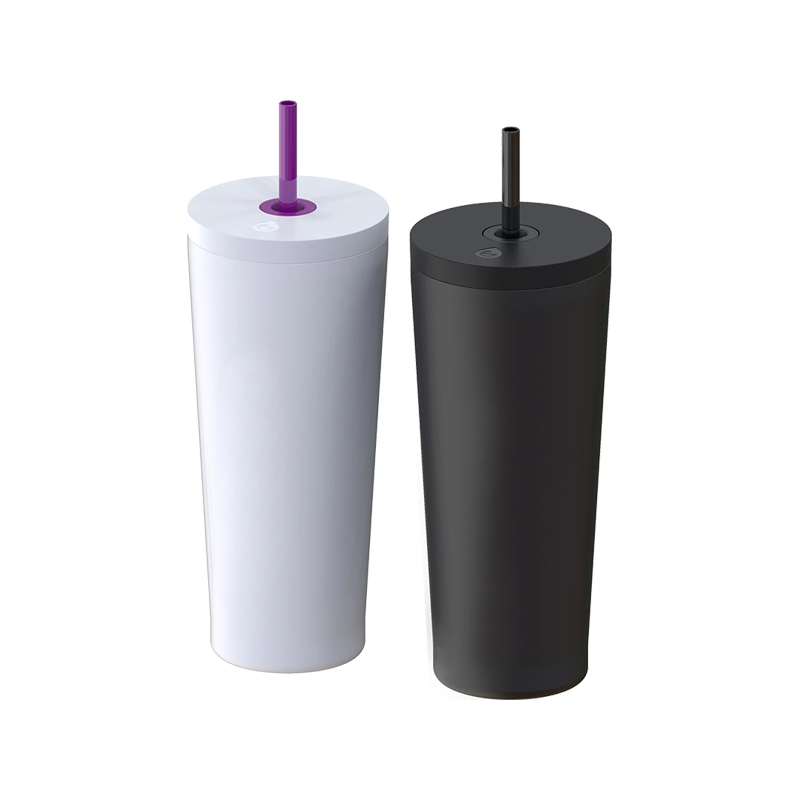 24oz Double Layer 304 Stainless Steel Travel Vacuum Insulated Tumbler 700ml Drink Straw Cup With Internal Screw Cover
-
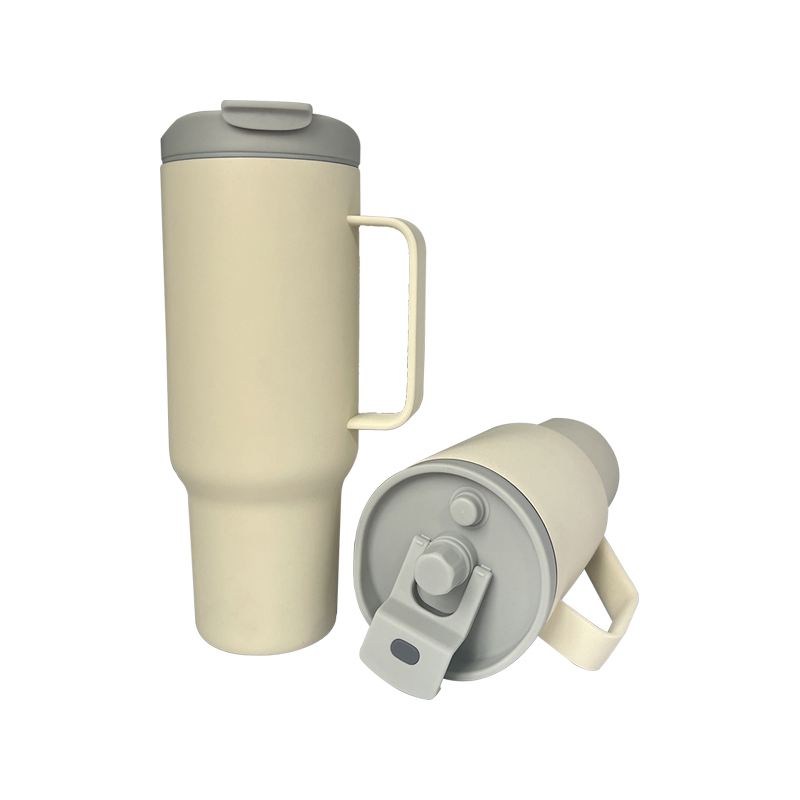 40oz 1200ml Double Wall Stainless Steel Travel Vacuum Insulated Tumbler with Double Magnetic Attraction Lid
Can Thermal Drink Bottle with Straw Hold Heat?
A lot of insulated bottles perform well during the first hour. The real difference usually appears later — after repeated opening, temperature cycling, and daily carrying start affecting the structure.
For products designed with a straw system, the situation becomes even more complicated.
A normal insulated bottle only needs to manage heat retention and sealing pressure. A thermal drink bottle with straw also has to deal with airflow pathways, lid movement, and continuous contact around the straw opening itself.
That extra structure changes how the bottle behaves during real use.
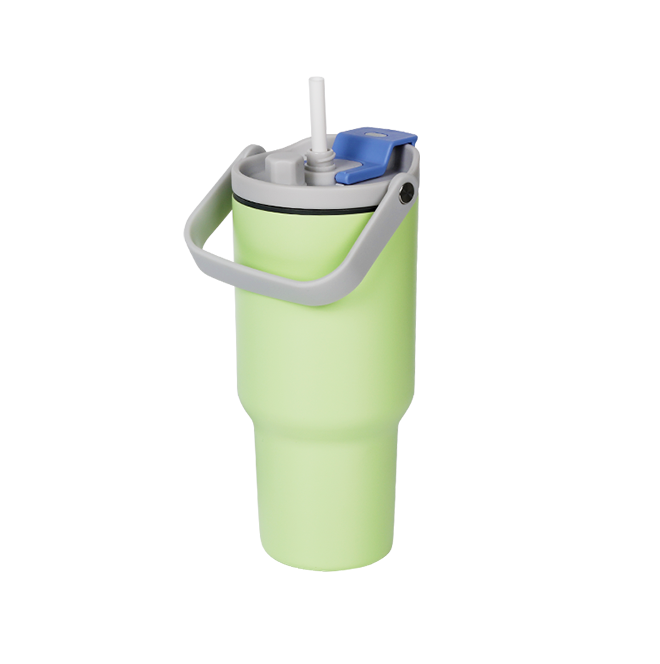
The Straw Opening Is Usually The Weakest Area
Inside insulated drinkware factories, engineers often focus heavily on the straw section because it interrupts the thermal seal directly.
A thermal drink bottle with straw may use double-wall vacuum insulation very effectively, but once the straw channel loses sealing stability, heat escapes much faster than people expect.
This becomes obvious during repeated drinking cycles.
Each time the straw lid opens, outside air enters the system and internal temperature balance changes slightly. Over time, weak sealing rings begin hardening or deforming around the opening point.
Once that happens, users usually notice:
- faster heat loss
- lid condensation
- leakage during shaking
- unstable straw positioning
- pressure imbalance
Many insulation problems actually begin around the lid structure instead of the bottle body itself.
Heat Retention Depends On Vacuum Stability
Most stainless insulated products rely on vacuum insulation between two metal walls. A thermal drink bottle with straw is no different in that respect.
However, bottles with integrated straw systems often experience more lid movement than ordinary tumblers because users open and close the straw repeatedly throughout the day.
That repeated movement affects long-term sealing performance.
Inside manufacturing workshops, vacuum quality is usually tested carefully because microscopic leakage inside the insulation layer gradually reduces temperature retention over time.
Interestingly, some bottles feel perfectly insulated when new but lose efficiency slowly after months of heavy use.
The problem is often connected to sealing fatigue rather than stainless steel quality itself.
Hot Drinks Create Different Pressure Behavior
Cold beverages are relatively easy for insulated bottles to manage. Hot drinks create additional pressure changes inside a thermal drink bottle with straw because steam continuously affects the lid structure.
If airflow control inside the straw system is poorly balanced, pressure buildup may slowly force liquid toward the straw opening.
This becomes more noticeable with:
- coffee drinks
- hot tea
- milk beverages
- herbal drinks
- high-temperature soups
That is why many straw bottles designed mainly for cold beverages behave differently once users fill them with near-boiling liquids.
The internal pressure conditions change completely.
Cleaning Difficulty Often Affects Lifespan
One thing users discover quickly with a thermal drink bottle with straw is that cleaning becomes more complicated than standard insulated cups.
Moisture remains inside narrow straw channels much longer, especially after sugary drinks or milk-based beverages. If the straw pathway dries slowly, odor buildup begins around hidden internal sections first.
Factories usually recommend separating several lid components during cleaning because trapped residue gradually affects sealing performance over time.
Areas commonly overlooked include:
- silicone rings
- straw joints
- lid hinges
- airflow valves
- internal channels
In real daily use, poor cleaning habits shorten bottle lifespan much faster than stainless steel fatigue itself.
Material Thickness Changes The Drinking Feel
Not all insulated bottles feel the same while drinking.
A thermal drink bottle with straw using thinner stainless steel sometimes feels lighter and easier to carry, but structural rigidity changes as well. Heavier wall construction improves dent resistance but increases overall weight noticeably during long-term daily use.
This balance becomes important for portable drinkware.
People carrying bottles in bags or cup holders usually care about portability more than industrial-level durability. On the other hand, outdoor users often prioritize impact resistance instead.
Factories usually adjust wall thickness depending on whether the bottle is intended for commuting, sports, or outdoor travel environments.
Condensation Around The Lid Still Happens
Many users assume insulated bottles completely eliminate condensation.
In reality, condensation on a thermal drink bottle with straw still appears sometimes around the lid section because that area contains moving parts and airflow pathways rather than fully sealed insulation.
This becomes especially noticeable in humid weather conditions.
Cold beverages create temperature contrast around the straw opening, and moisture from the surrounding air gradually forms near exposed lid surfaces.
Good insulation helps reduce this effect, but lid engineering matters just as much as the vacuum layer itself.
That is why premium insulated bottles often spend more development time on lid structure than on the stainless body.
Daily Carrying Creates Slow Mechanical Wear
A thermal drink bottle with straw experiences constant movement during real use.
It gets dropped into bags, shaken during walking, tilted inside vehicles, and opened repeatedly throughout the day. Over time, these small mechanical stresses gradually affect moving parts around the lid system.
The bottle body usually survives longer than the lid components.
Hinges loosen slightly, silicone seals compress permanently, and straw mechanisms become less stable after extended use cycles.
Inside production workshops, durability testing often focuses heavily on repetitive opening simulations because daily handling behavior creates more long-term wear than temperature exposure alone.
Good Bottles Usually Feel Consistent
People rarely analyze insulated bottles technically while using them.
They simply notice whether the drink stays warm, whether the lid leaks, and whether the straw system continues working smoothly after months of use.
That is why a reliable thermal drink bottle with straw usually feels predictable rather than complicated.
The lid closes naturally, the straw remains stable, and the bottle maintains temperature without requiring constant adjustment during everyday carrying.
-
Tel
+86-579-87252573
-
Fax
+86-579-87510911
-
Mobile
+86-15157970274
Follow
Factory Address
NO.3 Weier East Road, Hardware Industrial Zone, Tongqin Town, Wuyi County, Jinhua City, Zhejiang Province, China
If You Have Any Query
Send Message
Copyright © Zhejiang Linghong lndustry & Trade Co., Ltd. All Rights Reserved.

Stainless Steel Bottle Factory