For over a century, one elegantly simple invention has reliably solved a fundamental daily challenge: maintaining the temperature of beverages and food. Vacuum flasks, commonly known as thermoses, continue to be indispensable in homes, workplaces, and on outdoor adventures. Their timeless design, based on the principle of inhibiting heat transfer, provides consistent performance, while contemporary iterations refine functionality and adapt aesthetics to modern preferences, ensuring their relevance in a world of rapidly changing technology.
The core science behind vacuum flasks is both straightforward and highly effective. The design features two flasks, one nestled inside the other, separated by a vacuum-sealed space. This vacuum virtually eliminates heat transfer by conduction and convection. The inner walls are often coated with a reflective layer to less radiant heat. Combined with a tightly sealed stopper, this triple-layer insulation allows a well-made vacuum flask to keep contents hot or cold for extended periods. This fundamental engineering principle has remained largely unchanged due to its inherent efficiency.
While the core technology is mature, the application and form of vacuum flasks have diversified. Traditionally used to keep coffee hot for work or soup warm on a winter outing, today's vacuum flasks serve a wider range of needs. They are equally valued for preserving the chill of water on a summer hike, keeping smoothies cool, or maintaining the temperature of a prepared meal. This versatility makes the vacuum flask a bidirectional tool for temperature management, supporting diverse lifestyles from office commuting to wilderness exploration.
Modern manufacturing has introduced significant improvements in materials, durability, and user experience. The inner liner of a quality vacuum flask is typically made from 304 or 18/8 stainless steel, prized for its durability, non-reactive properties, and resistance to retaining flavors. Exteriors now come in various finishes—from classic brushed steel to colored powder coatings—transforming the functional vacuum flask into a personal style accessory. Ergonomic advancements include non-slip grips, one-handed opening mechanisms, and integrated cups or straw lids that enhance convenience without compromising the seal.
The growing emphasis on environmental consciousness has further solidified the position of vacuum flasks as a sustainable choice. In a shift away from single-use cups and containers, a durable vacuum flask represents a long-term investment that reduces waste. Its reusability aligns with global efforts toward responsible consumption. The longevity of a well-maintained vacuum flask, often lasting for years, stands in contrast to disposable culture, making it a practical symbol of sustainable living for students, professionals, and families alike.
The evolution of vacuum flasks is likely to focus on enhanced convenience and smart integration. While the vacuum insulation principle itself remains ideal, future features may include integrated temperature displays, smart lids with hydration tracking, or even self-cleaning mechanisms. The focus will be on building upon the proven foundation of vacuum flasks with innovations that fit seamlessly into connected, mobile lifestyles, perhaps through modular designs or improved material sustainability.
The enduring success of vacuum flasks lies in their superb marriage of simple, robust science and timeless utility. They fulfill a basic need with remarkable efficiency, requiring no electricity or complex components. From construction sites to university campuses, from family picnics to global travel, vacuum flasks provide a pocket of consistent temperature. They stand as a testament to the idea that the impactful designs often solve a fundamental problem so effectively that they become quietly indispensable, evolving in form but unwavering in their reliable function.


 English
 русский
 Français
 Español
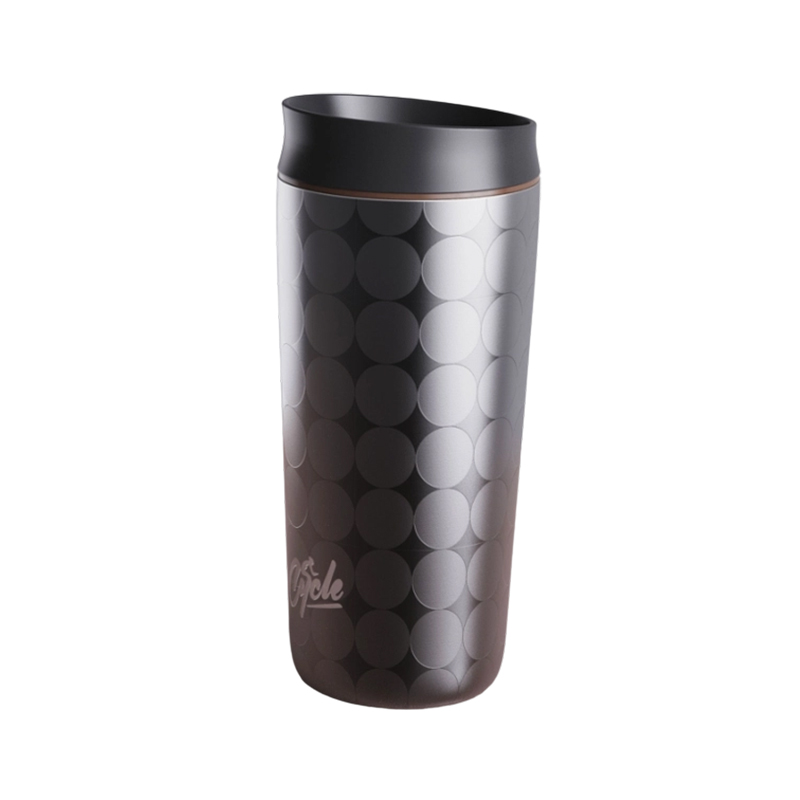 Switchable Dual-Function Lid Coffee Mug
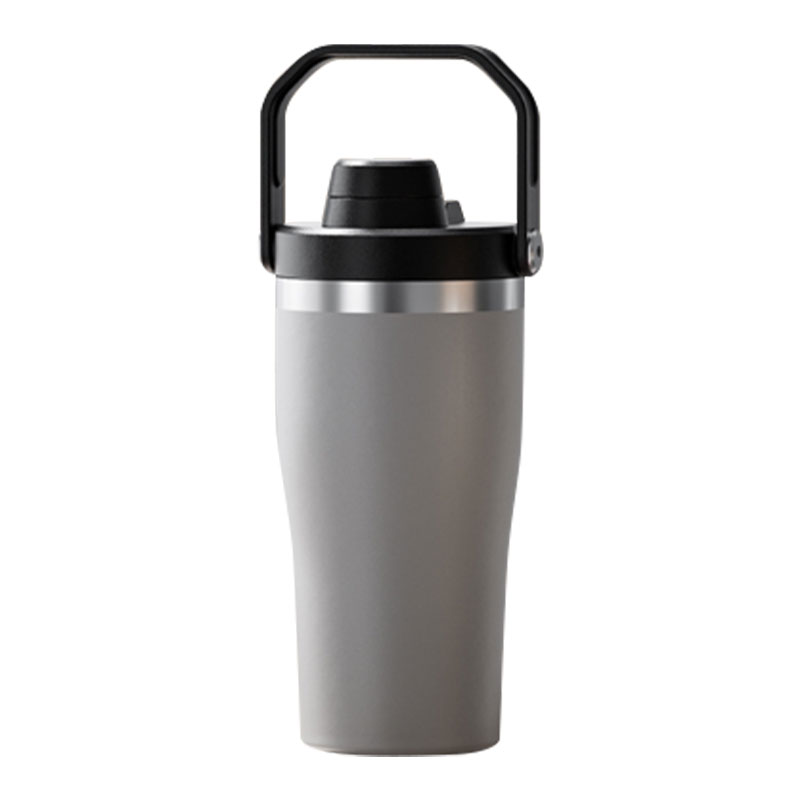 Portable Stainless Steel Mini Ice Bucket
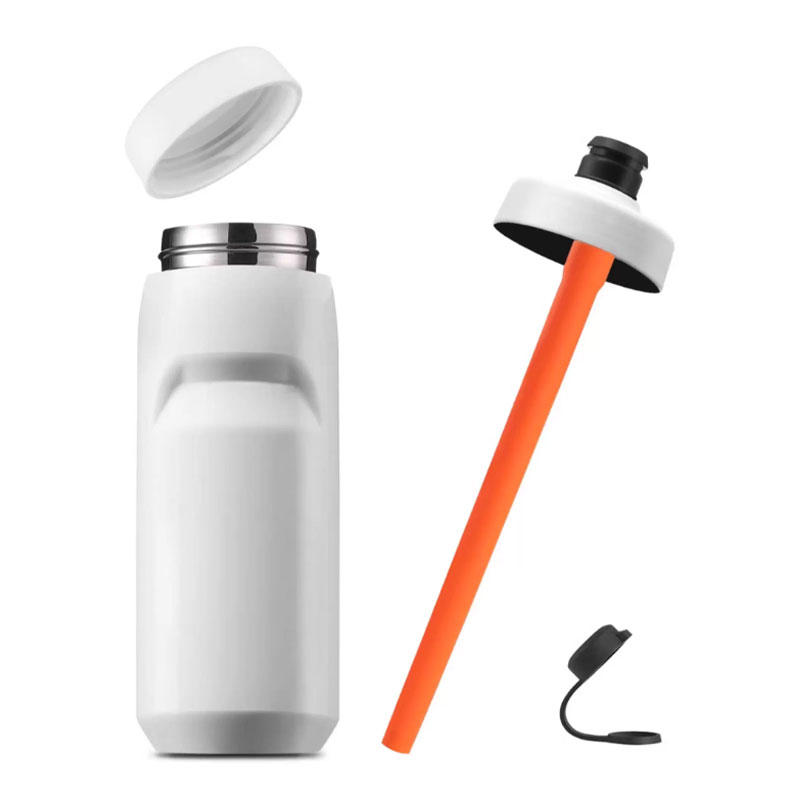 Concave-Designed Sports Water Bottle
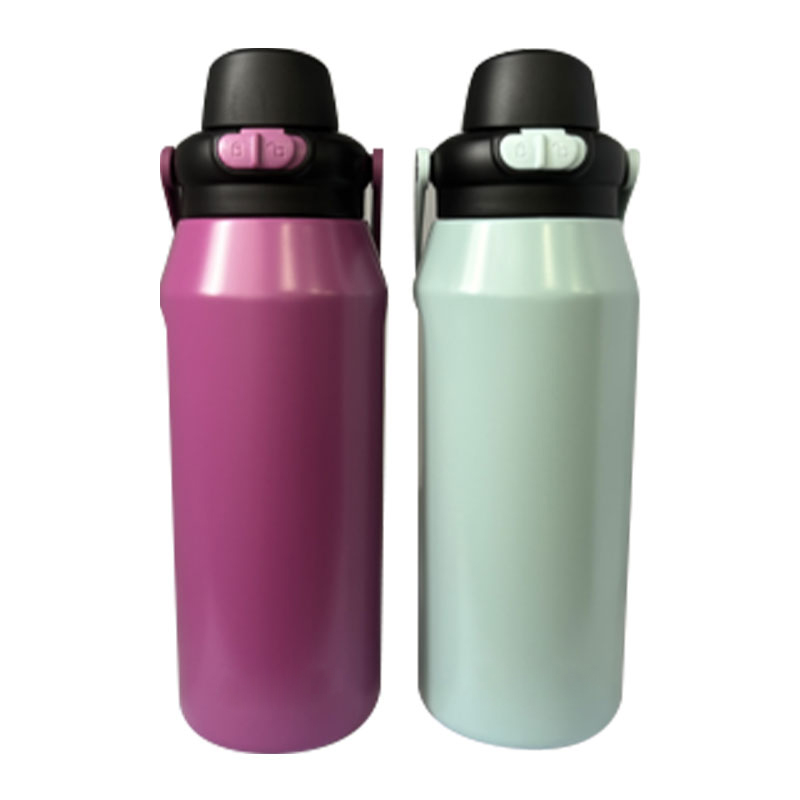 Wide-Mouth Flip Lid Sports Bottle
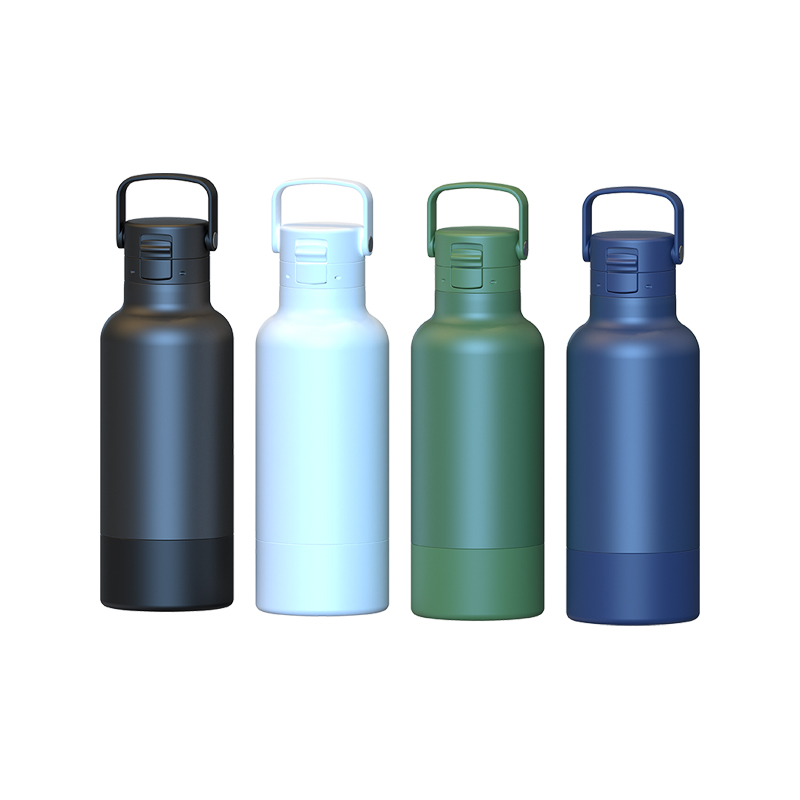 750ml Stainless Steel Flask Foldable Handle Portable Camping Sports Water Bottle
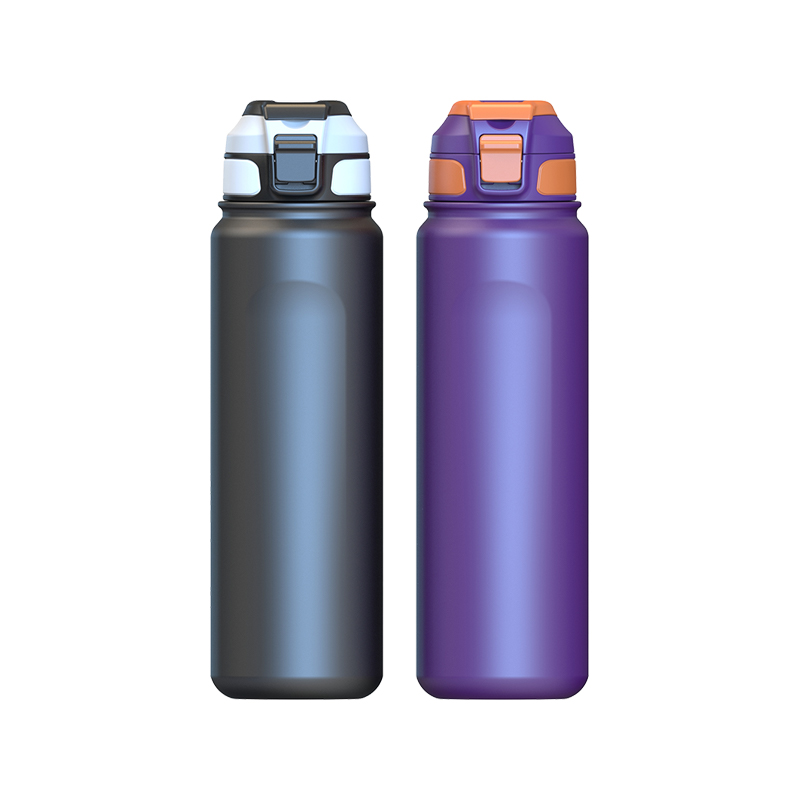 700ml Stainless Steel Sports Fitness Insulated Water Bottle With Portable Drink Lid Multifunctional Straw Thermos Cup
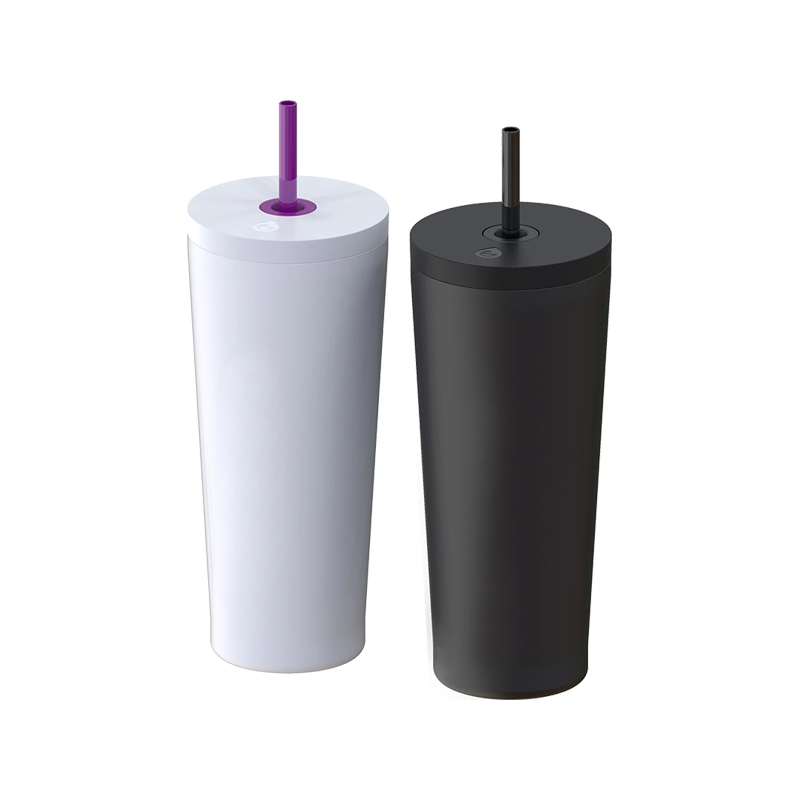 24oz Double Layer 304 Stainless Steel Travel Vacuum Insulated Tumbler 700ml Drink Straw Cup With Internal Screw Cover
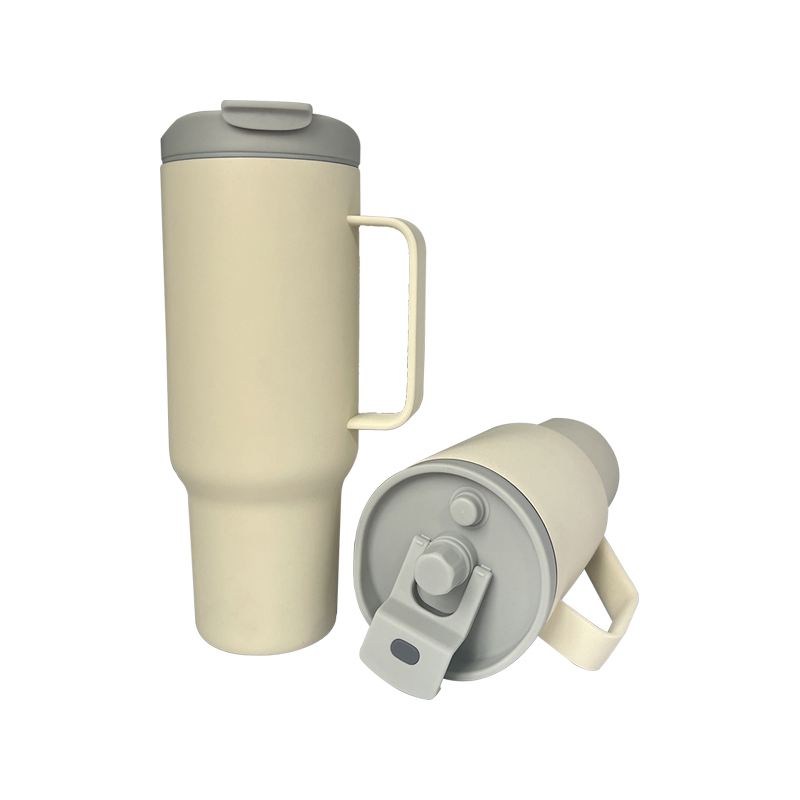 40oz 1200ml Double Wall Stainless Steel Travel Vacuum Insulated Tumbler with Double Magnetic Attraction Lid
