In the world of fitness, outdoor adventure, and everyday wellness, a simple piece of gear has become a ubiquitous symbol of health and activity: the sport bottle. Far more than a basic water container, the modern sport bottle is engineered to meet the specific demands of movement, performance, and convenience. Its evolution from a utilitarian item to a high-performance accessory reflects broader trends in material science, ergonomic design, and a cultural focus on hydration and sustainability.
The core function of the sport bottle is to provide convenient and accessible hydration during physical exertion. Unlike standard water bottles, a sport bottle is designed for use in motion. Its defining features typically include a leak-proof cap with a one-handed operation mechanism—such as a flip-top, push-pull, or bite valve—allowing users to drink without breaking stride during a run, bike ride, or workout. This hands-free or one-handed accessibility is a fundamental design principle that separates the sport bottle from more static drinkware.
Material innovation has been central to the advancement of the sport bottle. While durable plastics like Tritan™ remain popular for their shatter-resistance and light weight, stainless steel has gained significant ground. A double-wall insulated stainless steel sport bottle offers the added benefit of temperature retention, keeping water cold for hours during a long workout or a hot day outdoors. For those seeking alternatives, glass-lined or coated bottles are also available. The interior materials are chosen for being taste-neutral and free from chemicals like BPA, ensuring that water tastes pure regardless of the bottle's composition.
Ergonomics and portability are crucial considerations in sport bottle design. The bottle's shape is often contoured for a secure, comfortable grip, sometimes with textured or silicone sleeves to prevent slipping from sweaty hands. Many models feature a carry loop or a built-in handle, making it easy to attach to a backpack, gym bag, or bicycle frame. The size and capacity of a sport bottle are also tailored to activity; smaller, streamlined bottles are preferred by runners, while larger, high-capacity versions are favored for long-distance cycling or all-day hikes.
The rise of health and wellness awareness has positioned the sport bottle as a key tool for personal hydration management. Many bottles now include measurement markings, enabling users to track their water intake visually—a simple feature that supports hydration goals. Furthermore, the cultural shift away from single-use plastics has made the reusable sport bottle a potent symbol of environmental responsibility. Carrying a personal sport bottle reduces reliance on disposable plastic bottles, aligning the act of staying hydrated with a more sustainable lifestyle choice. This dual role—promoting personal health and environmental consciousness—has solidified the sport bottle as a staple for a wide demographic.
Innovation in the sport bottle category is likely to focus on smart technology integration and enhanced material functionality. Concepts include bottles with built-in hydration reminders or sensors that track fluid consumption and sync with fitness apps. Self-cleaning mechanisms using UV light or other technologies are also being explored to improve hygiene. The primary objectives remain clear: to create a durable, convenient, and healthy vessel that supports an active life. As our understanding of hydration science deepens and the demand for eco-conscious products grows, the humble sport bottle will continue to evolve, ensuring it remains an indispensable and adaptive partner for anyone on the move, effectively quenching thirst while supporting both personal performance and planetary well-being.


 English
 русский
 Français
 Español
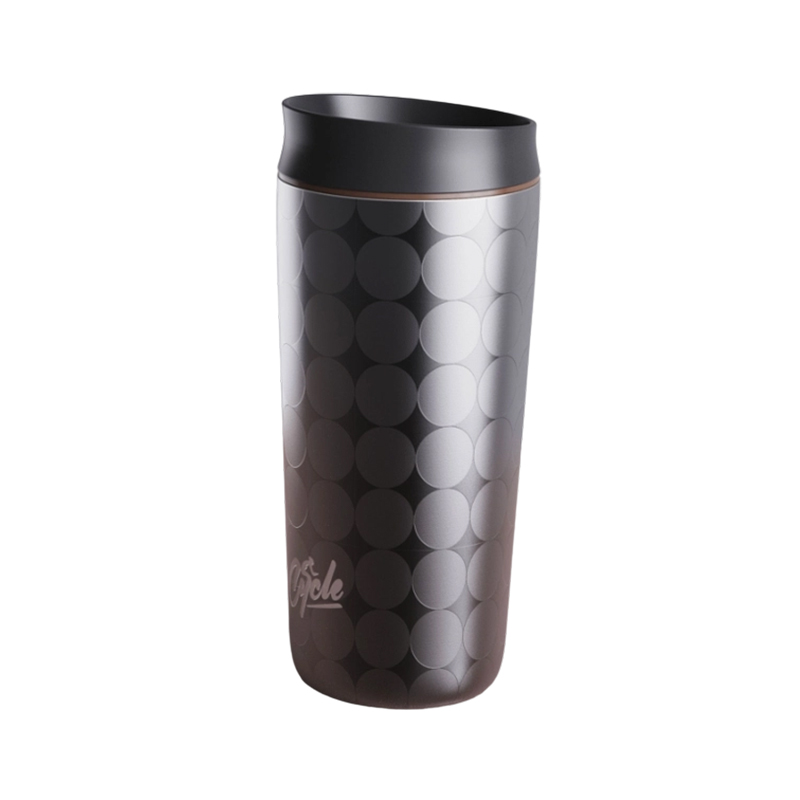 Switchable Dual-Function Lid Coffee Mug
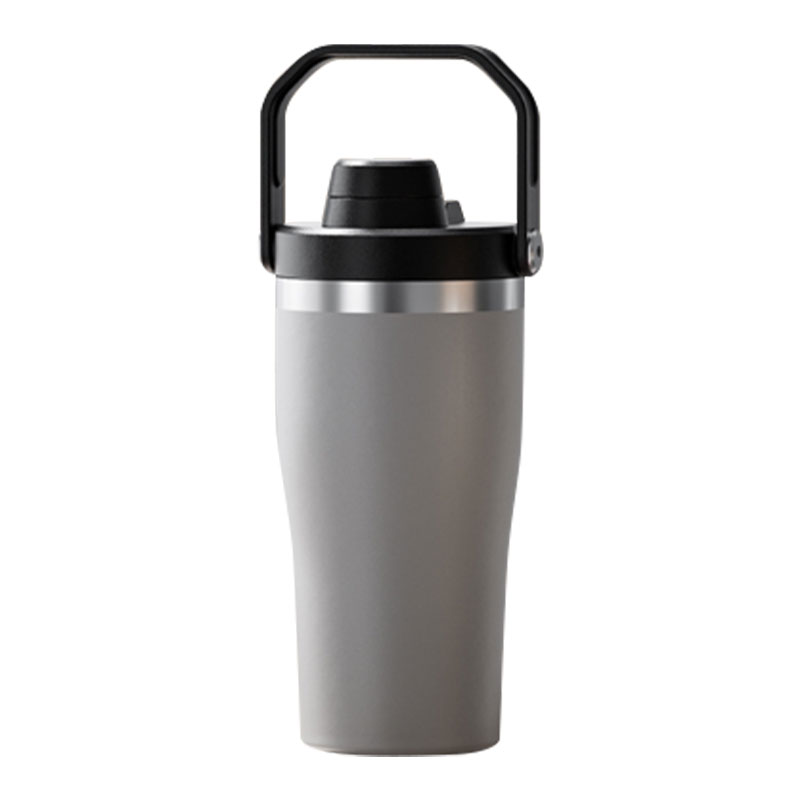 Portable Stainless Steel Mini Ice Bucket
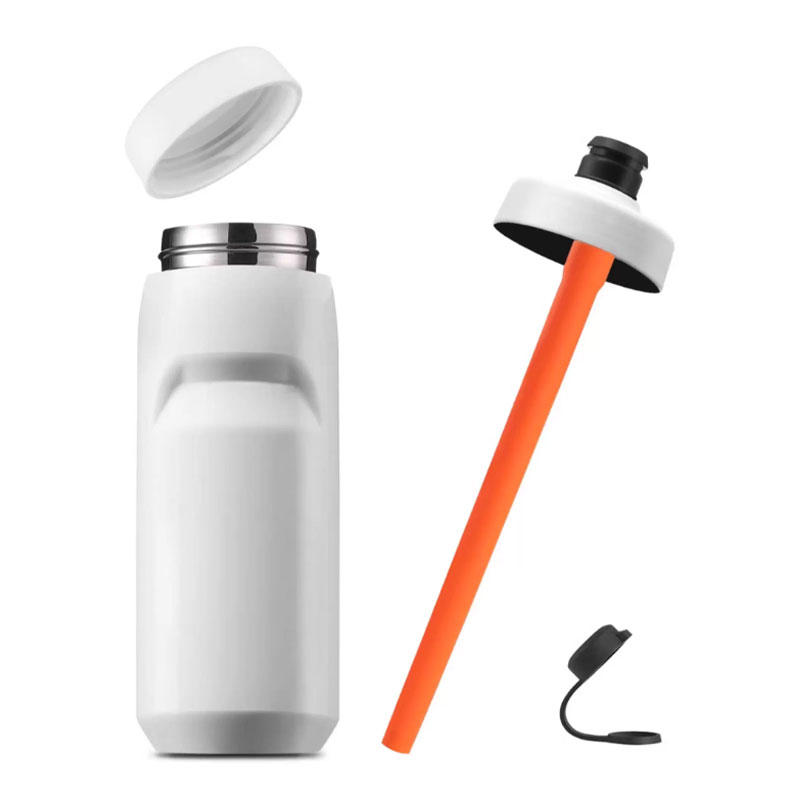 Concave-Designed Sports Water Bottle
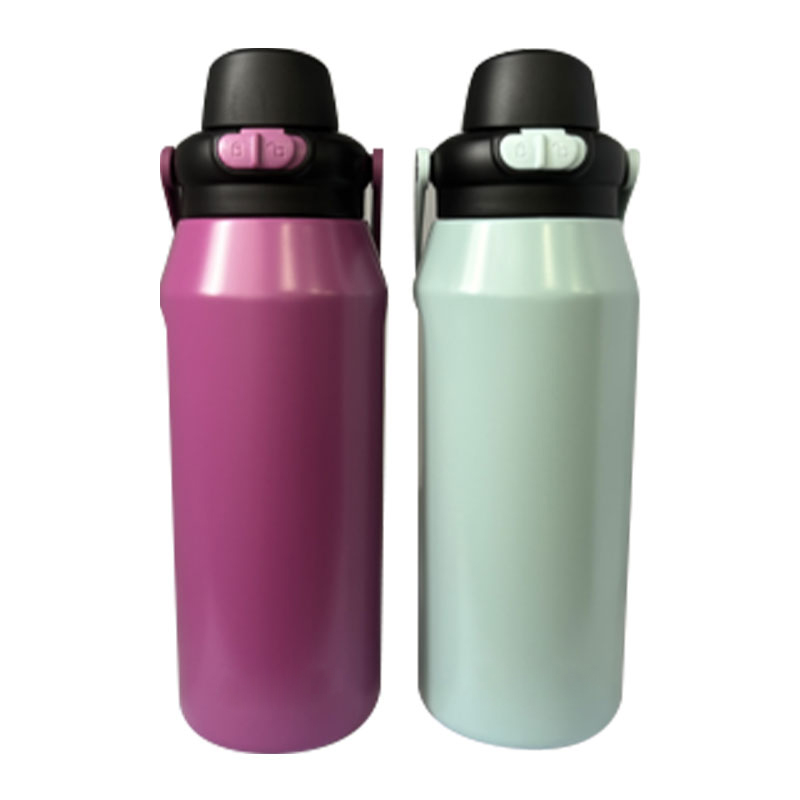 Wide-Mouth Flip Lid Sports Bottle
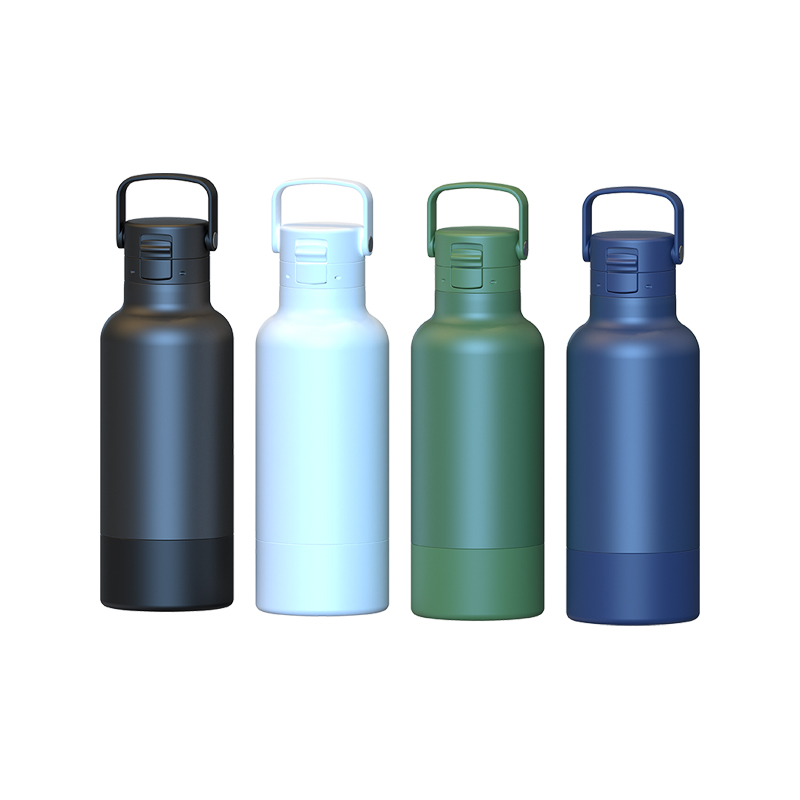 750ml Stainless Steel Flask Foldable Handle Portable Camping Sports Water Bottle
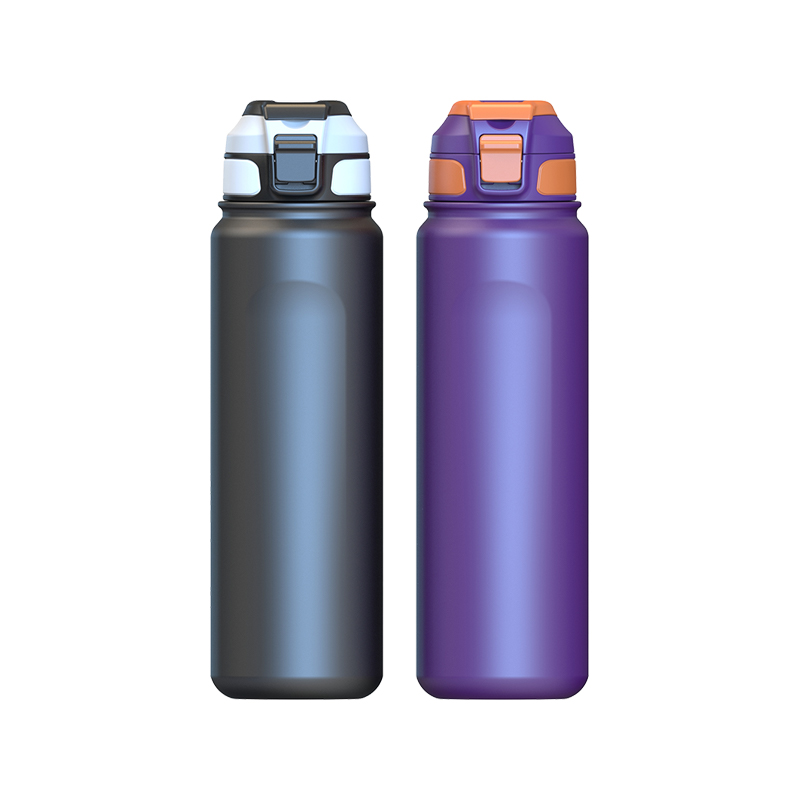 700ml Stainless Steel Sports Fitness Insulated Water Bottle With Portable Drink Lid Multifunctional Straw Thermos Cup
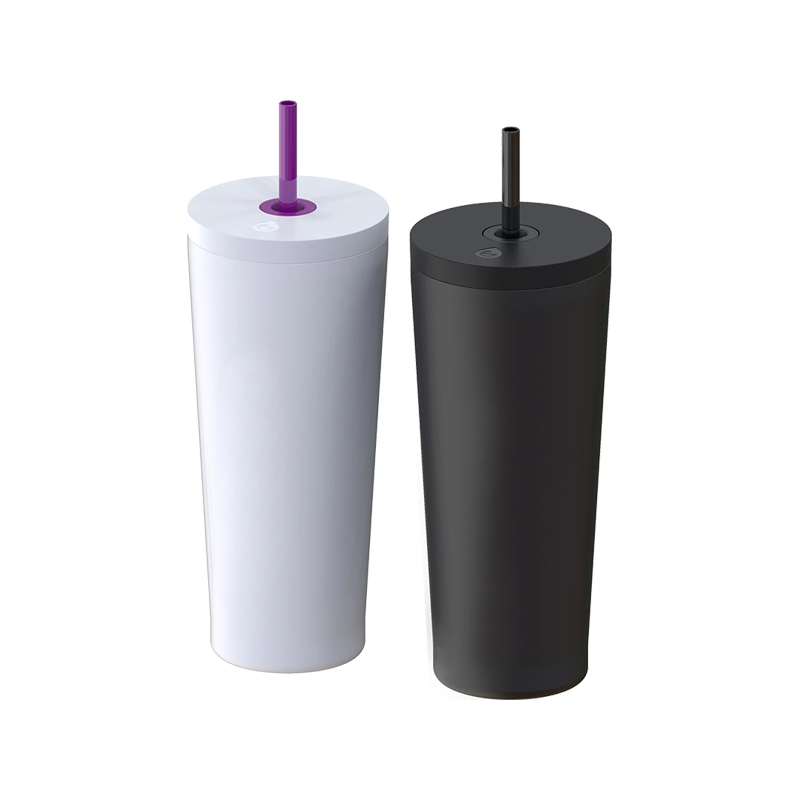 24oz Double Layer 304 Stainless Steel Travel Vacuum Insulated Tumbler 700ml Drink Straw Cup With Internal Screw Cover
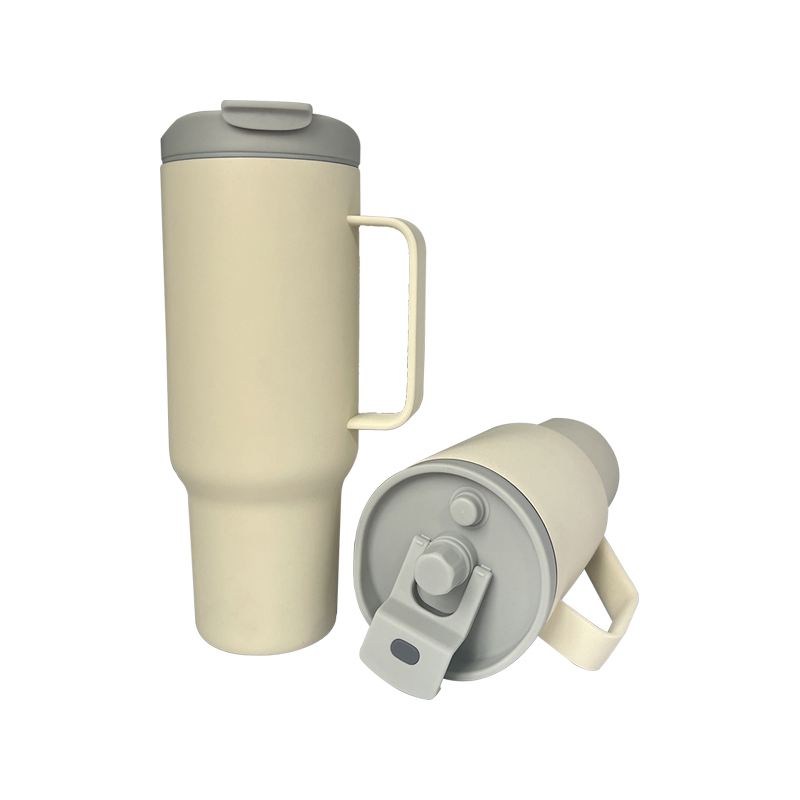 40oz 1200ml Double Wall Stainless Steel Travel Vacuum Insulated Tumbler with Double Magnetic Attraction Lid
