

 English
 русский
 Français
 Español
-
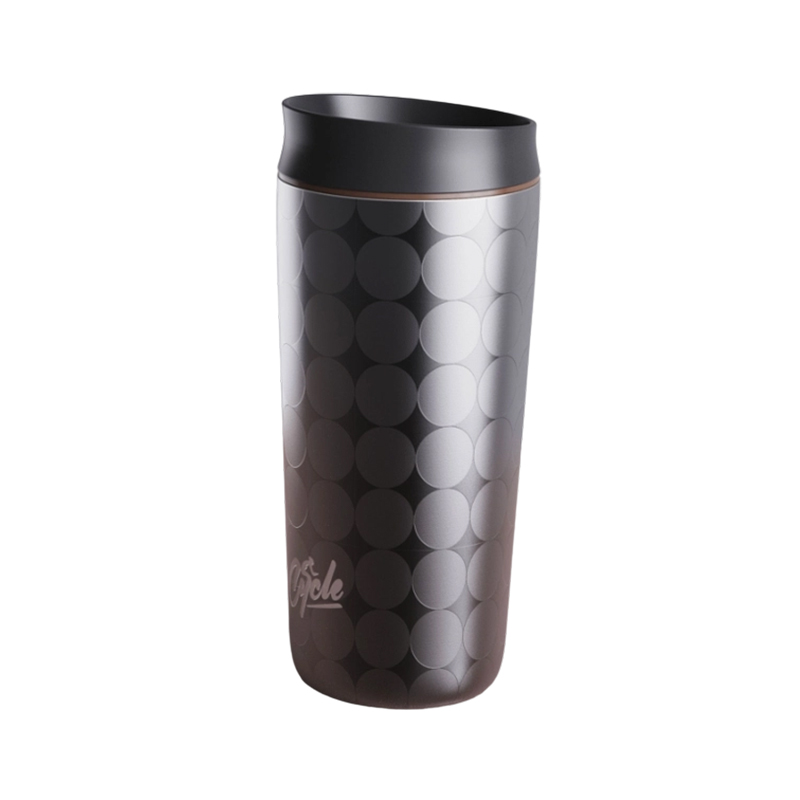 Switchable Dual-Function Lid Coffee Mug
-
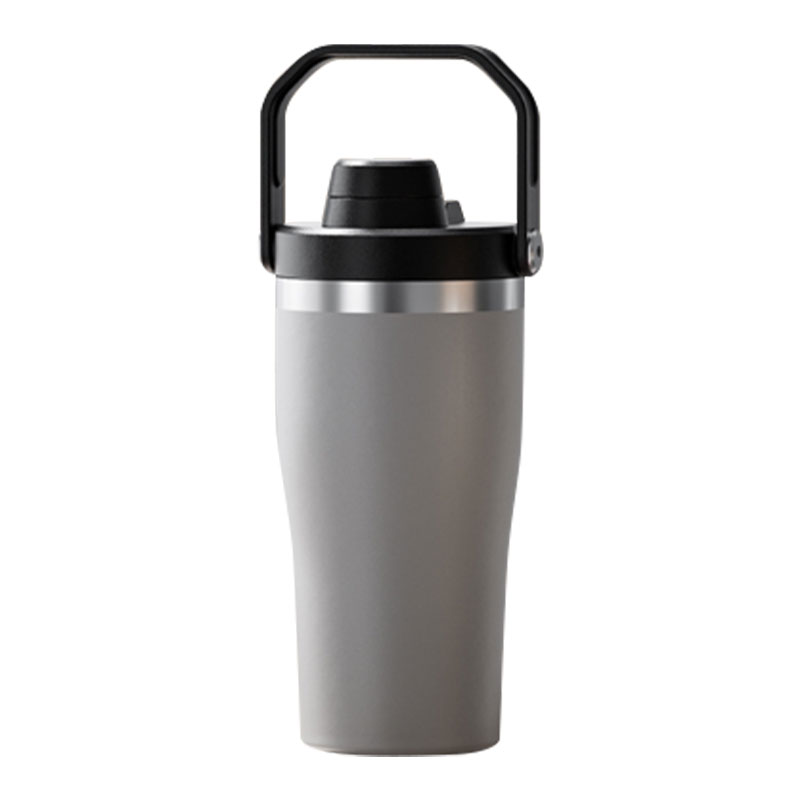 Portable Stainless Steel Mini Ice Bucket
-
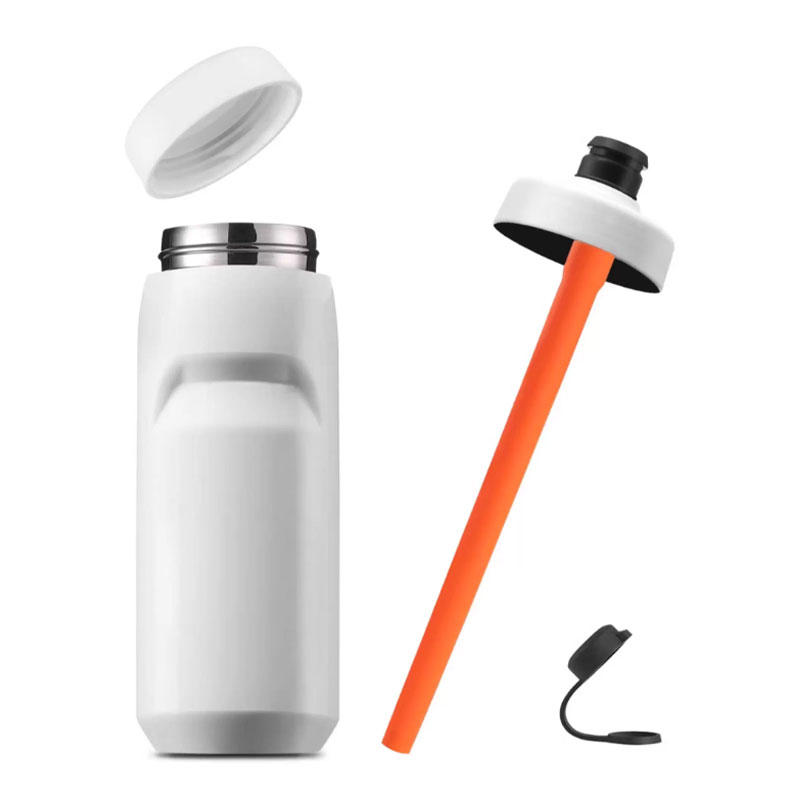 Concave-Designed Sports Water Bottle
-
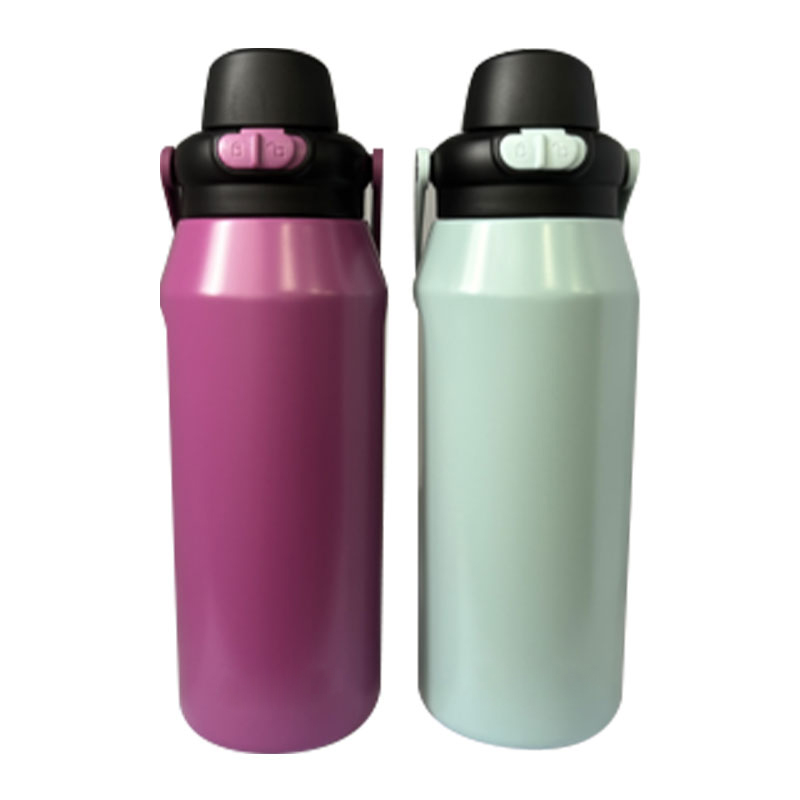 Wide-Mouth Flip Lid Sports Bottle
-
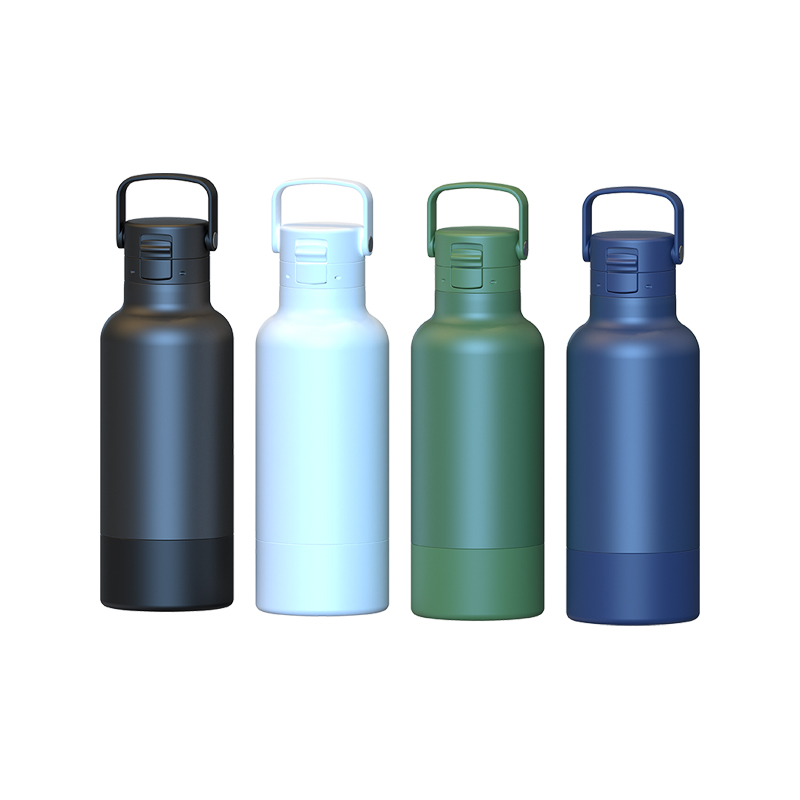 750ml Stainless Steel Flask Foldable Handle Portable Camping Sports Water Bottle
-
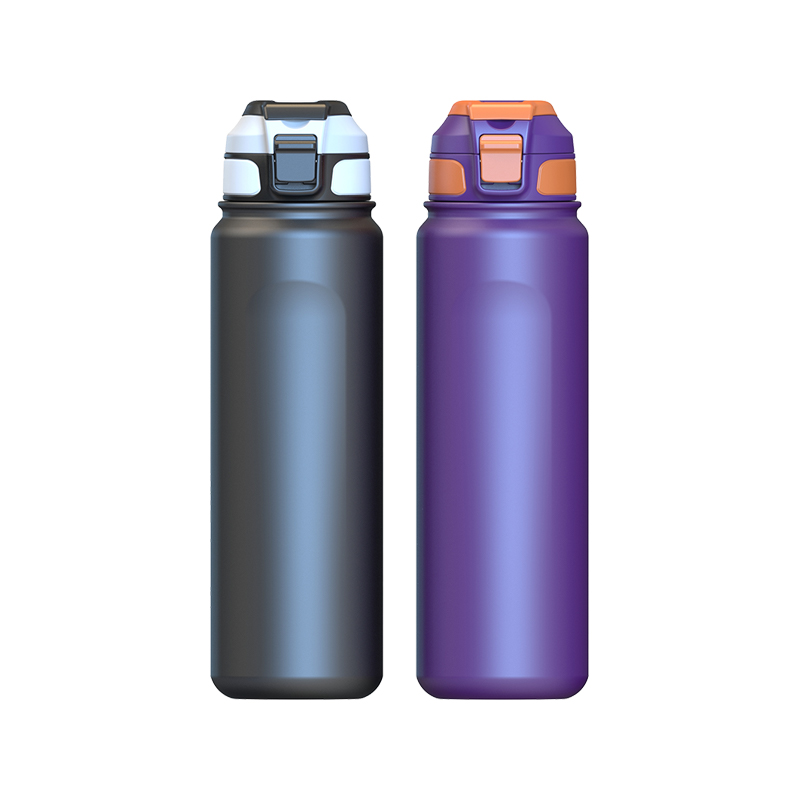 700ml Stainless Steel Sports Fitness Insulated Water Bottle With Portable Drink Lid Multifunctional Straw Thermos Cup
-
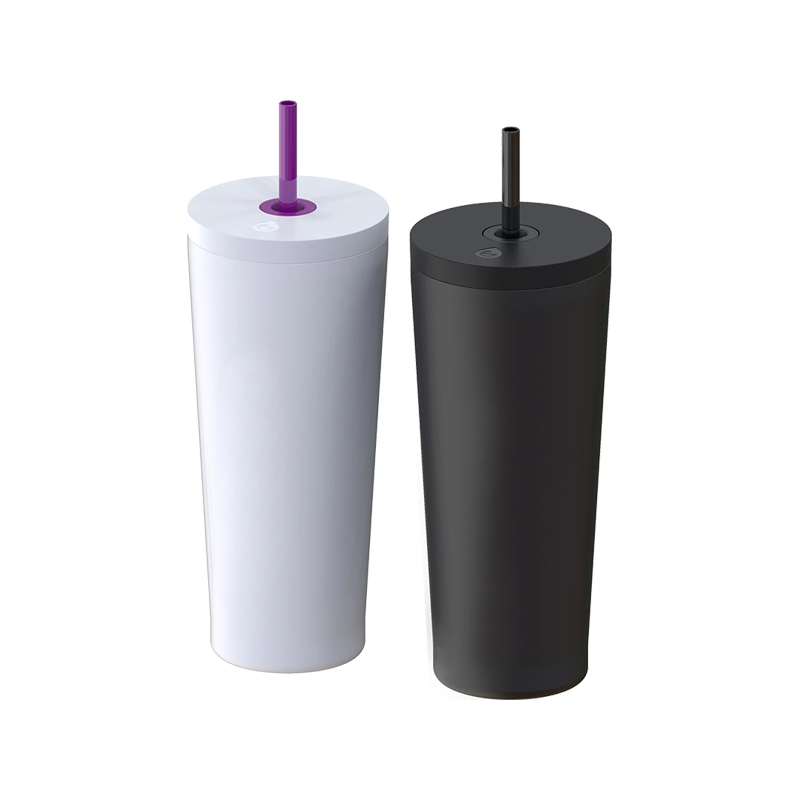 24oz Double Layer 304 Stainless Steel Travel Vacuum Insulated Tumbler 700ml Drink Straw Cup With Internal Screw Cover
-
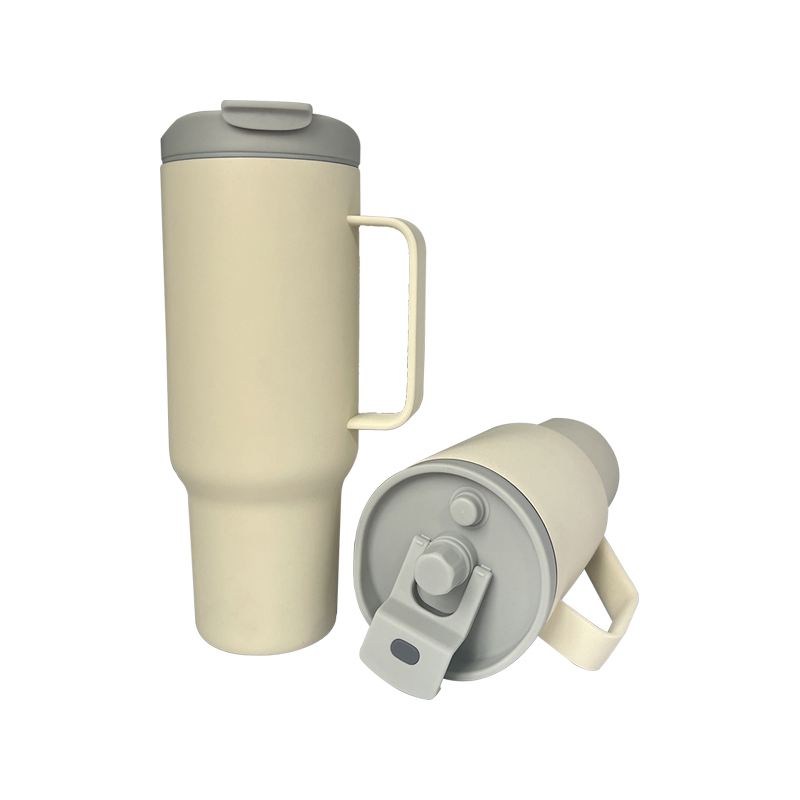 40oz 1200ml Double Wall Stainless Steel Travel Vacuum Insulated Tumbler with Double Magnetic Attraction Lid
Car Tea Cup Brings Everyday Drinkware Into The Vehicle
The way people use drinkware has changed with the growth of daily commuting. A cup that works well at home does not always fit the practical conditions inside a vehicle. Limited storage, cup holders, one-handed access, and movement during driving all influence how a drink container needs to be shaped.
This has created a growing niche for the Car Tea Cup, which combines familiar tea-drinking habits with the requirements of an automotive interior. Rather than simply becoming a smaller household cup, this type of drinkware is being developed around the space and movement found inside a vehicle.
Vehicle Space Influences Cup Shapes
A car interior provides much less free space than a kitchen or office. Drinkware therefore needs to fit into existing cup holders and remain easy to reach without interfering with other controls.
For the Car Tea Cup, the lower diameter and overall height can affect compatibility with different vehicles. A relatively compact base can make placement easier, while a suitable height helps keep the container accessible without obstructing the driver's view.
This has encouraged manufacturers to pay closer attention to the relationship between cup proportions and common automotive storage areas. The result is a category where shape is influenced as much by the vehicle as by traditional drinkware design.
Stability Matters During Everyday Driving
Movement is another major difference between vehicle use and stationary drinking. Acceleration, braking, turning, and uneven roads can cause liquid to move inside a cup.
A stable Car Tea Cup therefore needs a structure that works with the vehicle's cup holder rather than simply sitting loosely inside it. A well-proportioned base can improve stability, while a secure lid can reduce the chance of spills when the vehicle moves.
Lid construction has also become an important part of car-oriented drinkware. Open drinking designs may be suitable for stationary use, but commuters often prefer containers that can be closed between sips. Depending on the intended application, manufacturers may develop sliding openings, sealed lids, or other drinking structures.
Tea Drinking Creates Different Requirements
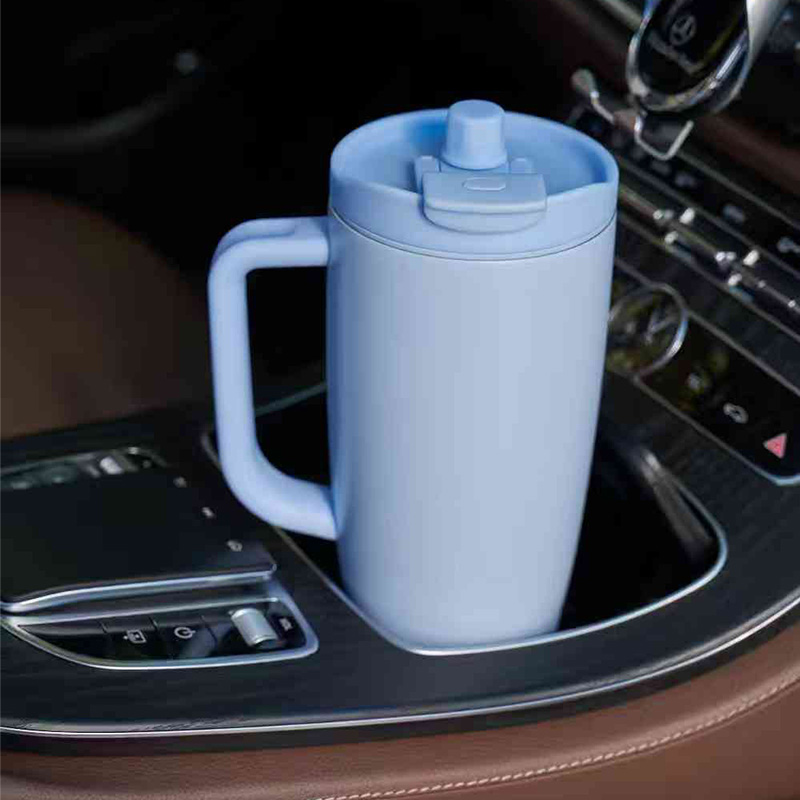
Water and cold beverages dominate much of the automotive drinkware market, but tea introduces another set of expectations. Many tea drinkers want to carry a hot beverage without giving up the convenience of a vehicle-friendly format.
Material selection consequently becomes important. Plastic, stainless steel, and other materials can provide different combinations of weight, heat resistance, durability, and appearance. Transparent or translucent materials can also change how the tea itself contributes to the visual appeal of the product.
The Car Tea Cup category can therefore overlap with both travel drinkware and traditional tea accessories. Some products focus on portability, while others retain visual elements associated with tea culture.
Manufacturing Is Moving Toward More Specialized Drinkware
The growth of vehicle-oriented drinkware also creates new requirements for manufacturing. Cup bodies, lids, handles, seals, and decorative components have to work together within a relatively compact structure.
For plastic versions, injection molding allows manufacturers to create precise cup bodies and detailed lid components at production scale. Material thickness, cooling conditions, and mold accuracy can affect the final shape and fit of each component.
Raisun Cup develops drinkware products for different everyday applications, with vehicle use representing one of the areas where traditional cup concepts can be adapted to changing lifestyles. Product development in this segment involves adjusting proportions, closures, materials, and decorative details according to how the cup will actually be used.
Personalization Adds Value To Vehicle Drinkware
Automotive accessories are often chosen partly for their appearance, and drinkware is no exception. Colors, surface finishes, printed graphics, and decorative elements allow a basic container to fit different interior styles or personal preferences.
This gives the Car Tea Cup opportunities in promotional merchandise as well as everyday retail. A branded cup can serve as a practical giveaway, while customized colors and graphics can support seasonal collections or automotive-themed products.
The category also benefits from the continued popularity of portable lifestyles. People increasingly carry drinks between home, work, travel, and leisure activities, making the vehicle an important part of that daily routine.
As automotive interiors continue to evolve, drinkware is adapting with them. The Car Tea Cup illustrates how a familiar product can develop into a more specialized category when manufacturers consider vehicle space, stability, drinking habits, and portability together. Its future development is likely to remain connected with the wider shift toward practical drinkware built around specific daily-use environments.
-
Tel
+86-579-87252573
-
Fax
+86-579-87510911
-
Mobile
+86-15157970274
Follow
Factory Address
NO.3 Weier East Road, Hardware Industrial Zone, Tongqin Town, Wuyi County, Jinhua City, Zhejiang Province, China
If You Have Any Query
Send Message
Copyright © Zhejiang Linghong lndustry & Trade Co., Ltd. All Rights Reserved.

Stainless Steel Bottle Factory