

 English
 русский
 Français
 Español
-
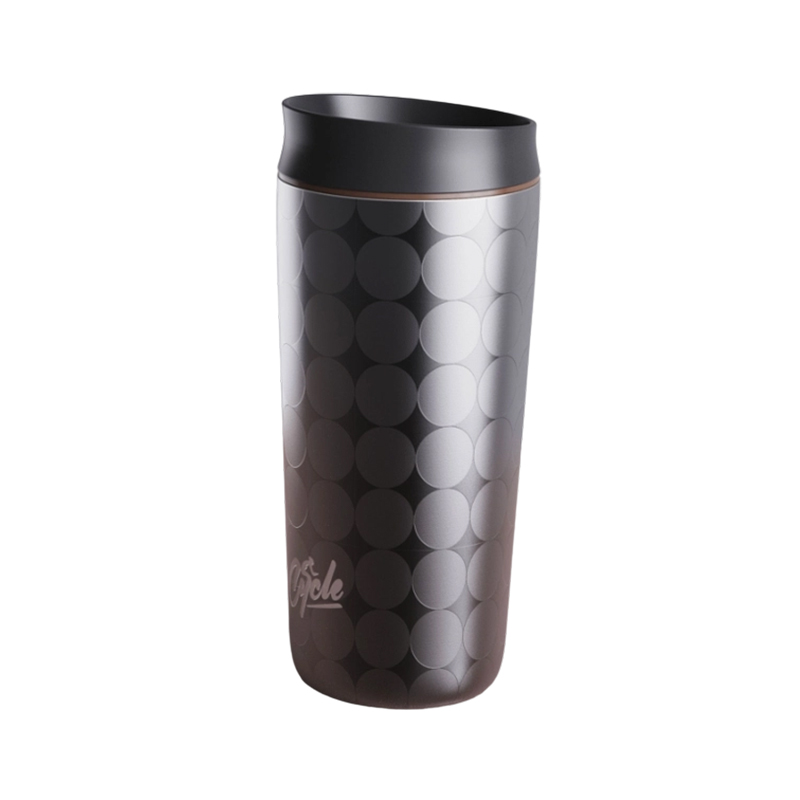 Switchable Dual-Function Lid Coffee Mug
-
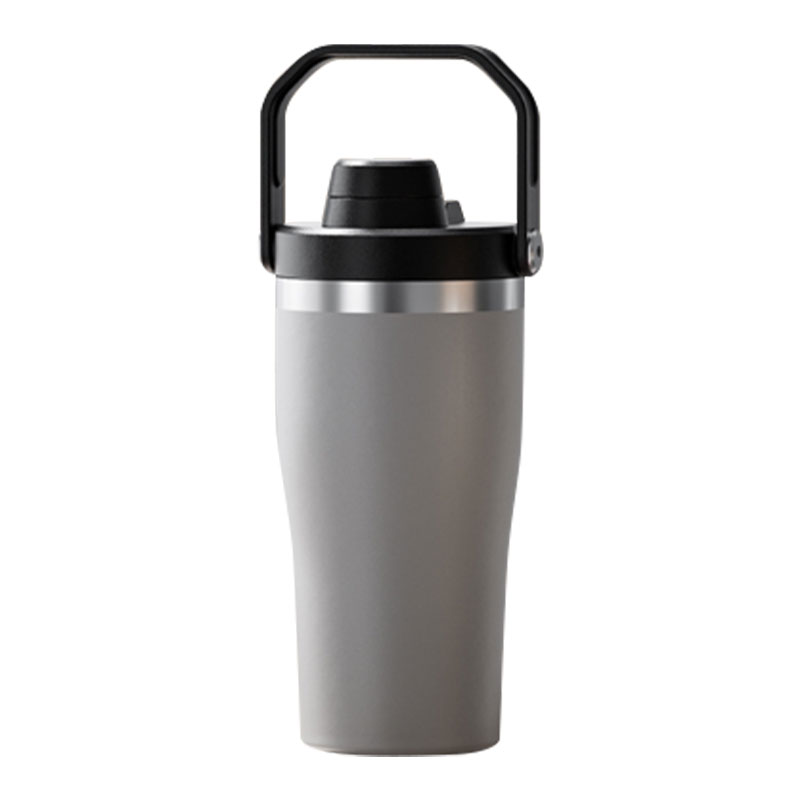 Portable Stainless Steel Mini Ice Bucket
-
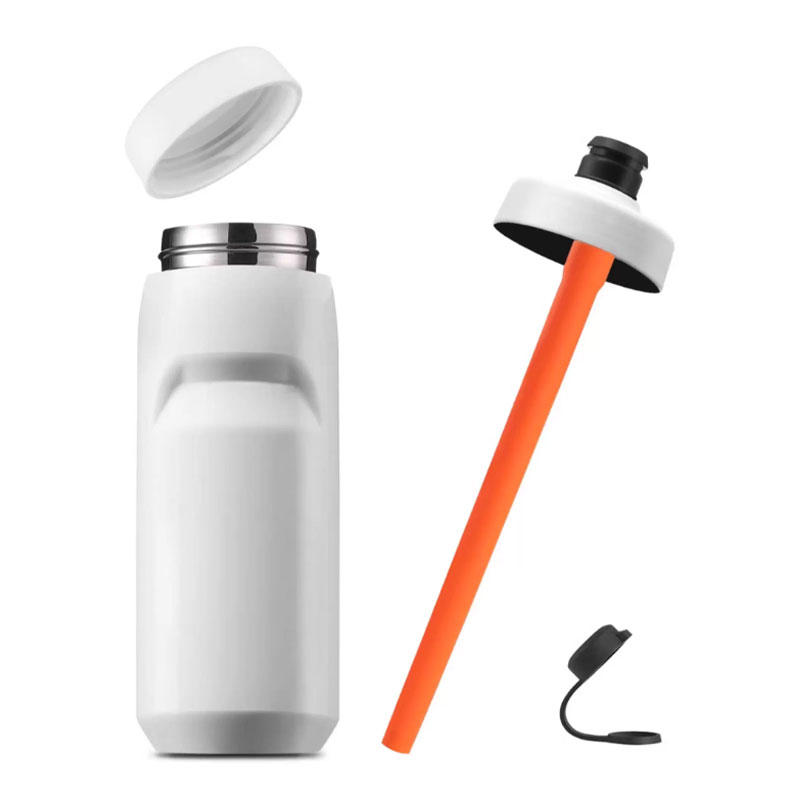 Concave-Designed Sports Water Bottle
-
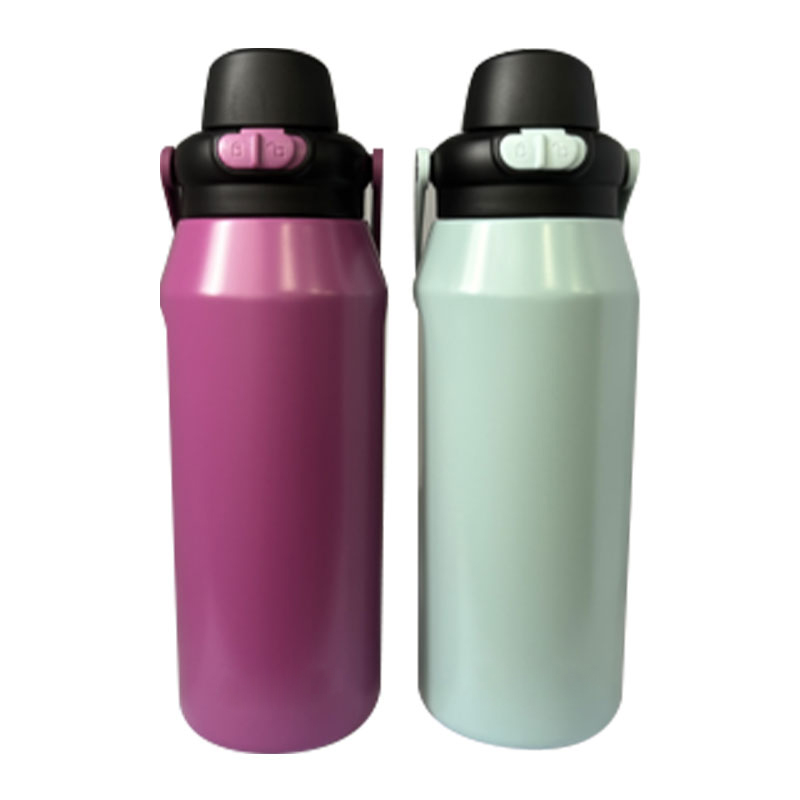 Wide-Mouth Flip Lid Sports Bottle
-
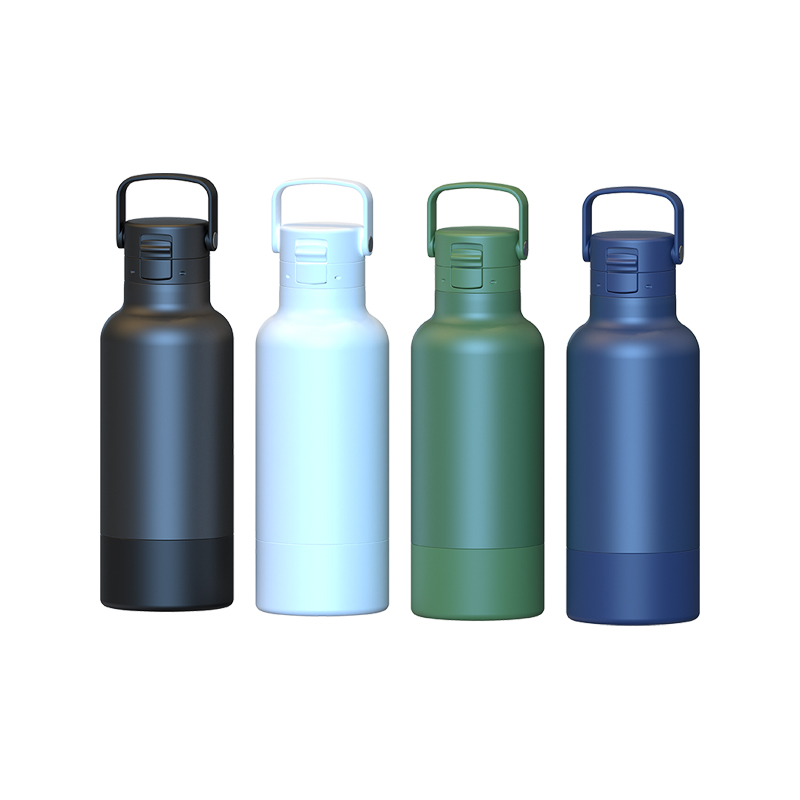 750ml Stainless Steel Flask Foldable Handle Portable Camping Sports Water Bottle
-
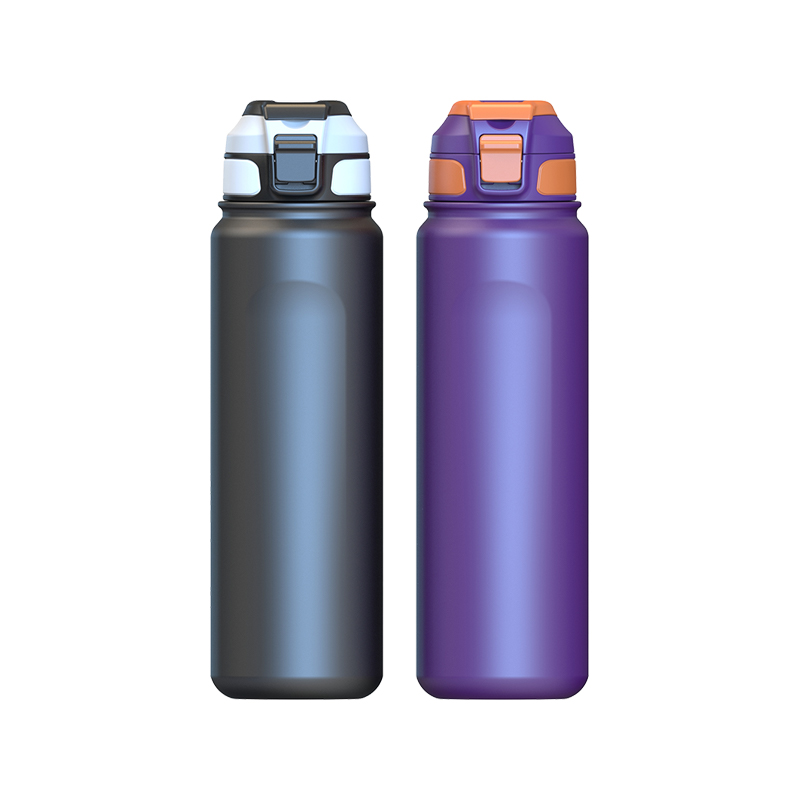 700ml Stainless Steel Sports Fitness Insulated Water Bottle With Portable Drink Lid Multifunctional Straw Thermos Cup
-
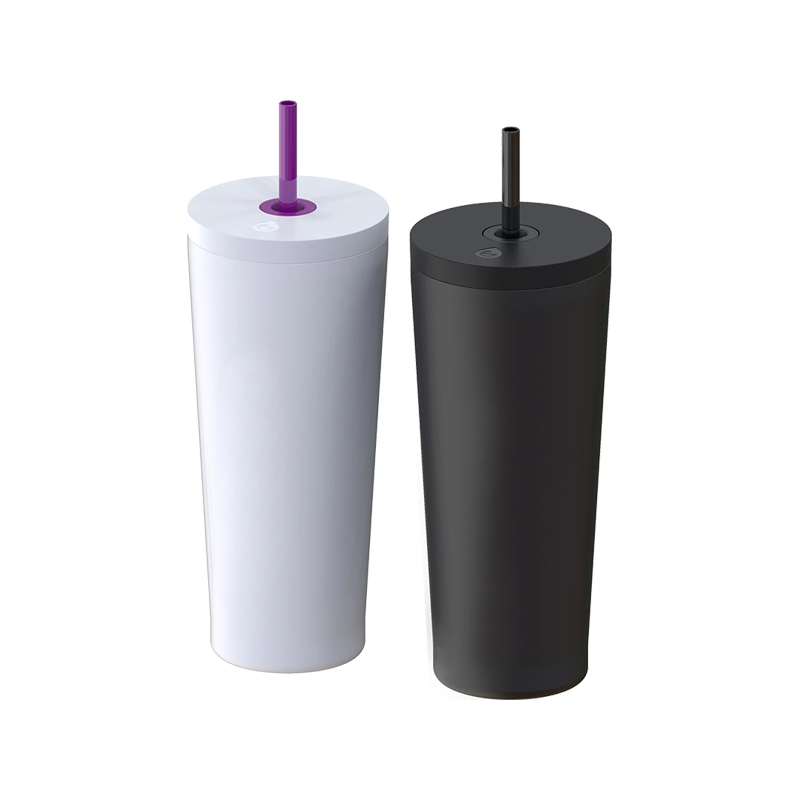 24oz Double Layer 304 Stainless Steel Travel Vacuum Insulated Tumbler 700ml Drink Straw Cup With Internal Screw Cover
-
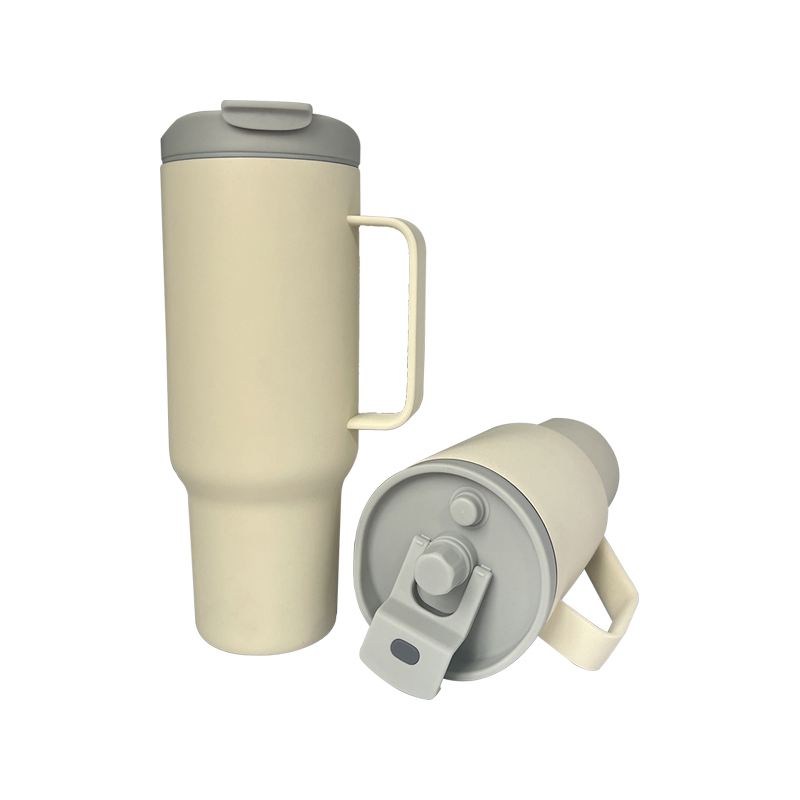 40oz 1200ml Double Wall Stainless Steel Travel Vacuum Insulated Tumbler with Double Magnetic Attraction Lid
How Is Children Stainless Steel Bottle Designed for Small Hands?
A children stainless steel bottle is not simply a smaller version of an adult bottle. Reducing the overall size changes the relationship between the bottle body, opening, lid, handle, and drinking position. For manufacturers, these components have to work together within a compact structure while keeping the product practical for younger users. Raisun's Kid's Bottle category includes stainless steel models with features such as lockable covers, carrying handles, lanyards, and cartoon-patterned designs, showing how children's drinkware combines structural and visual requirements in a smaller format.
Bottle Proportions Change More Than Capacity
When a children stainless steel bottle is designed around a smaller capacity, the proportions of the body become an important engineering consideration. A narrow bottle may be easier to hold, but reducing the diameter also changes the available internal space and the relationship between the body and neck.
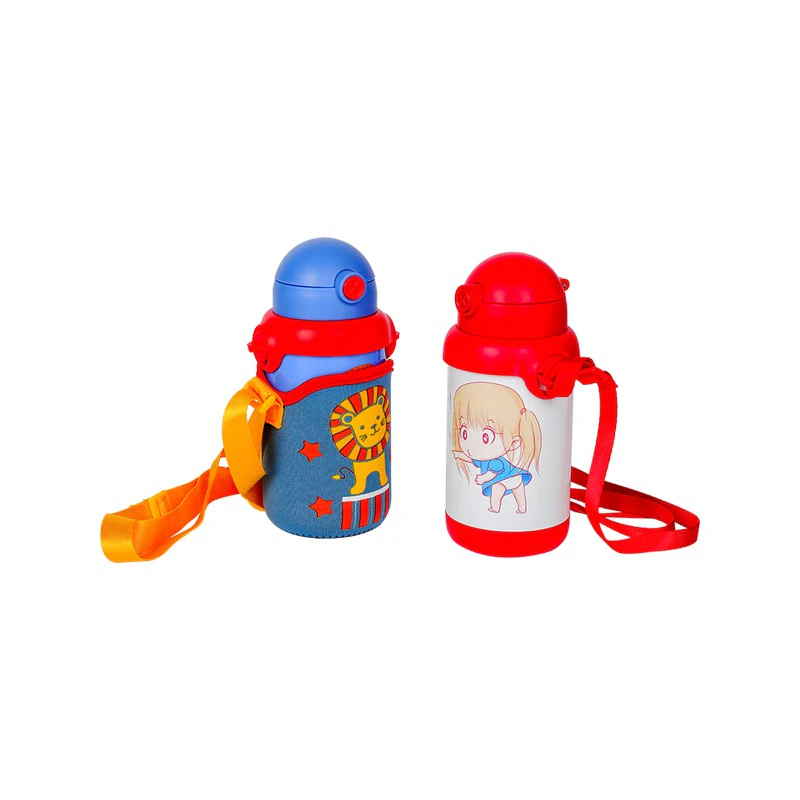
The height-to-diameter ratio affects how the bottle feels when lifted from a school bag or carried by hand. It also influences where the center of gravity sits after the bottle is filled. These details are particularly relevant when a product is intended for younger users who may have less hand strength than adults.
The Lid Becomes Part of the User Interface
On a children stainless steel bottle, the lid is more than a closure. It becomes the part that the user directly interacts with when opening, drinking, carrying, and storing the bottle.
Different structures create different assembly requirements. A screw cover requires accurate thread matching between components, while a flip-top design introduces hinges, buttons, locks, and sealing parts. Raisun's product range includes children's bottles with lockable button handle covers and separate-cover designs, indicating that lid structures can vary considerably within the same category.
A smaller lid also leaves less room for internal components. Sealing elements, drinking openings, springs, hinges, or locking parts have to fit into the available space without interfering with one another. During production, these relationships make dimensional consistency particularly important.
Handles Need to Match the Bottle Structure
The carrying system is another area where children's drinkware differs from standard bottles. A children stainless steel bottle may use a handle, loop, or lanyard so that the bottle can be carried separately from the main body.
The attachment point needs to withstand repeated pulling without creating excessive stress around the lid or neck. If the handle is integrated into the cover, the cover structure has to support both carrying and opening functions. If a lanyard is attached to a separate component, the connection needs to remain secure during repeated movement.
These details can influence the tooling and assembly sequence. A small component may look insignificant on the finished product, yet its dimensions and attachment method can determine how the complete bottle performs during everyday handling.
|
Component |
Design Variable |
Manufacturing Concern |
|
Bottle body |
Diameter and height |
Forming consistency |
|
Neck |
Opening size |
Lid compatibility |
|
Lid |
Locking and sealing structure |
Assembly accuracy |
|
Handle |
Attachment position |
Mechanical stability |
|
Lanyard |
Connection method |
Repeated pulling |
|
Outer finish |
Pattern and coating |
Surface consistency |
Visual Design Has to Follow the Physical Shape
Children's drinkware also places greater emphasis on the relationship between physical form and appearance. A children stainless steel bottle may use cartoon characters, colored surfaces, or printed graphics to create a recognizable visual identity.
Raisun's Kid's Bottle range includes food-grade stainless steel vacuum bottles with cartoon patterns, covers, and lanyards. For production, this means decoration cannot always be considered separately from the bottle structure. A graphic placed around a curved body has to follow the actual surface dimensions, while areas near seams, shoulders, or transitions may require additional attention during printing or finishing.
For B2B orders, this becomes especially relevant when buyers provide artwork or request several variations from the same bottle platform. The physical dimensions, decoration area, lid components, and accessory colors all need to remain compatible across the production specification.
Assembly Determines Whether Small Parts Work Together
A children stainless steel bottle often contains several components despite its compact appearance. Body forming, neck finishing, lid assembly, sealing parts, handles, and decorative elements may all be completed through separate processes before final inspection.
Raisun's manufacturer information states that Zhejiang Linghong Industry & Trade Co., Ltd. uses automated production assembly lines and operates with a quality management system and testing equipment. For this type of product, assembly consistency matters because small dimensional differences can affect how the lid closes, how the handle connects, or how the sealing components sit in position.
This is also where product design and production capability meet. A children stainless steel bottle can have a relatively simple exterior while containing several small interfaces that must remain compatible throughout manufacturing.
-
Tel
+86-579-87252573
-
Fax
+86-579-87510911
-
Mobile
+86-15157970274
Follow
Factory Address
NO.3 Weier East Road, Hardware Industrial Zone, Tongqin Town, Wuyi County, Jinhua City, Zhejiang Province, China
If You Have Any Query
Send Message
Copyright © Zhejiang Linghong lndustry & Trade Co., Ltd. All Rights Reserved.

Stainless Steel Bottle Factory