

 English
 русский
 Français
 Español
-
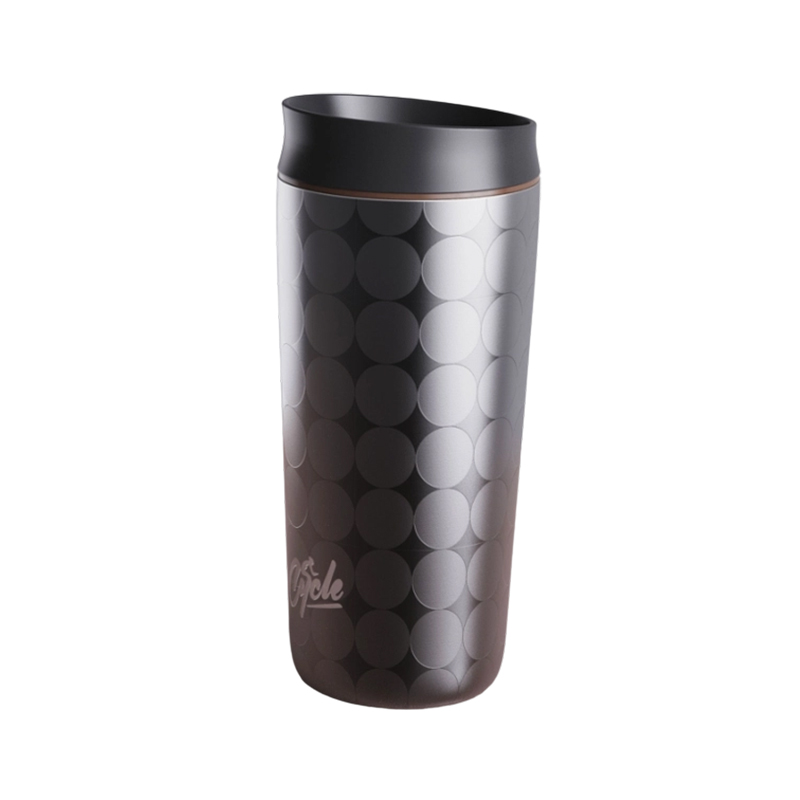 Switchable Dual-Function Lid Coffee Mug
-
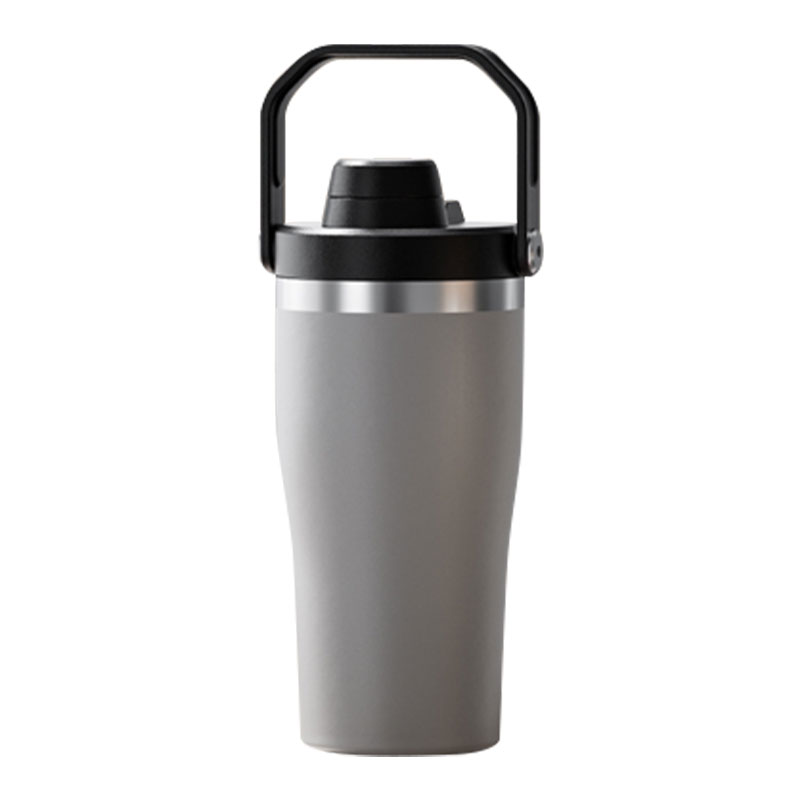 Portable Stainless Steel Mini Ice Bucket
-
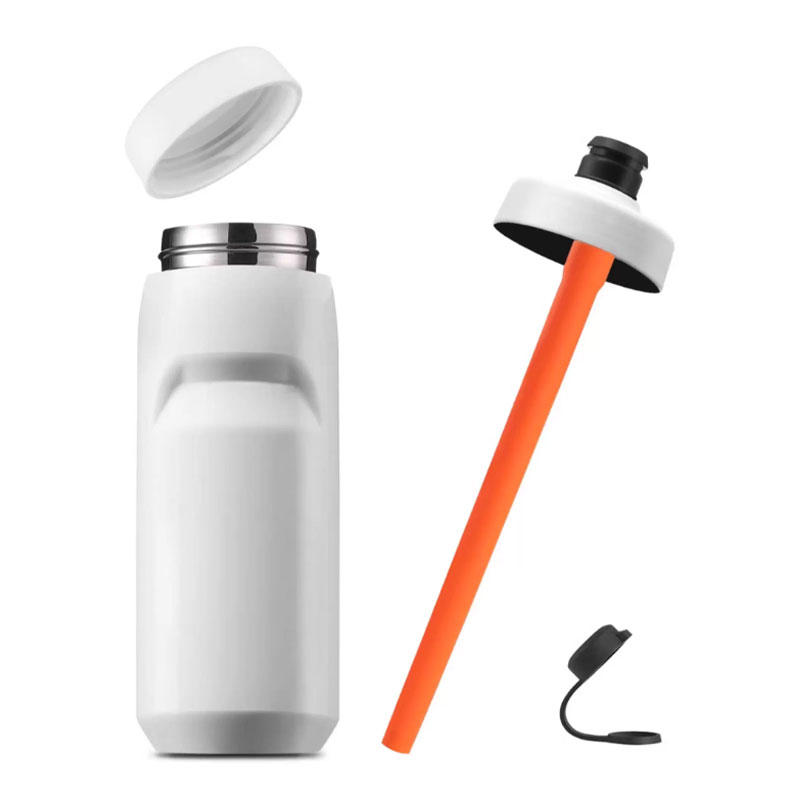 Concave-Designed Sports Water Bottle
-
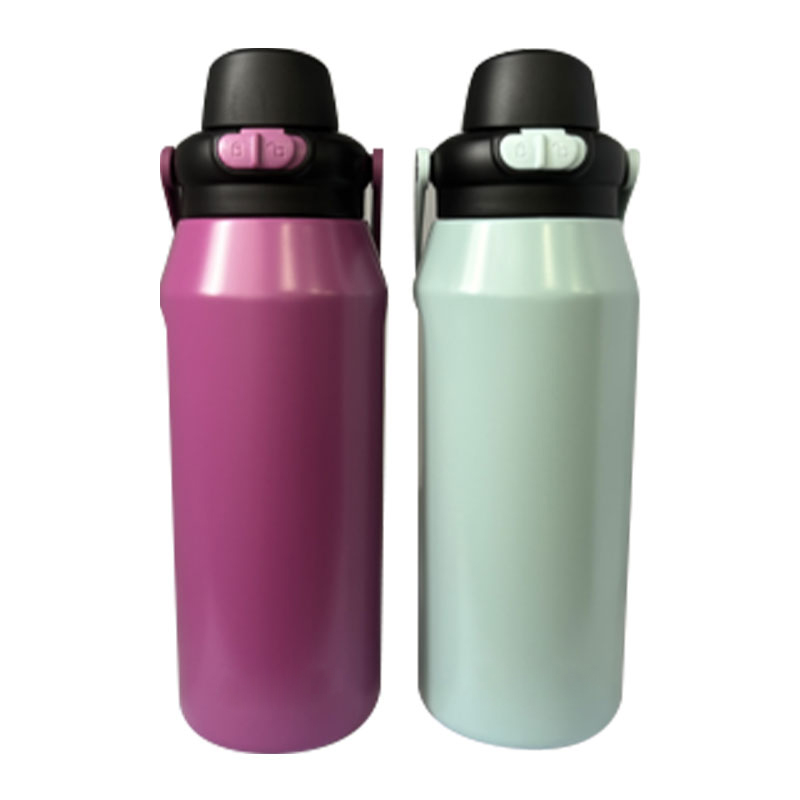 Wide-Mouth Flip Lid Sports Bottle
-
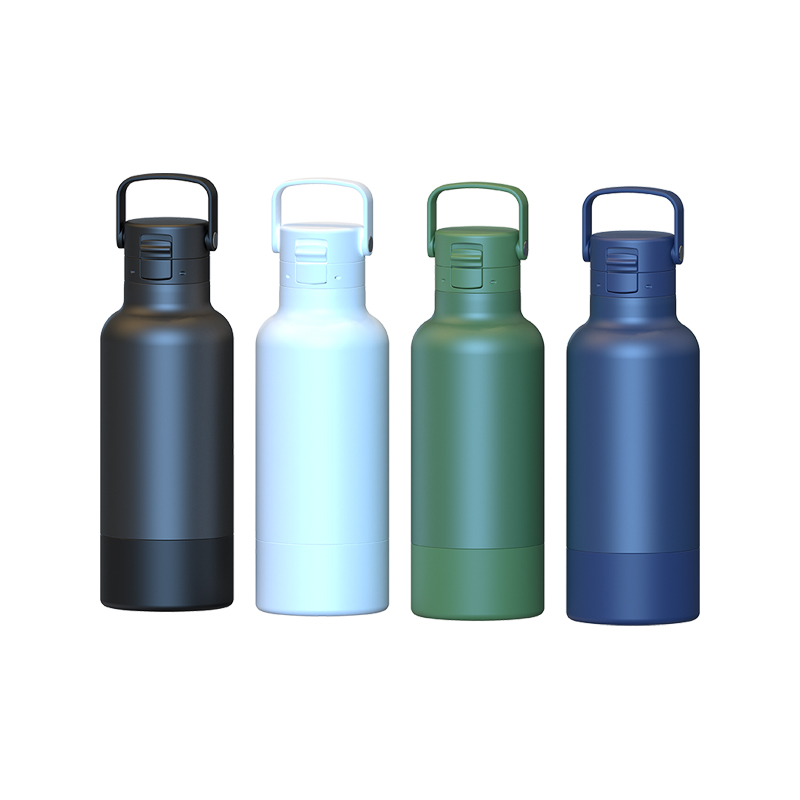 750ml Stainless Steel Flask Foldable Handle Portable Camping Sports Water Bottle
-
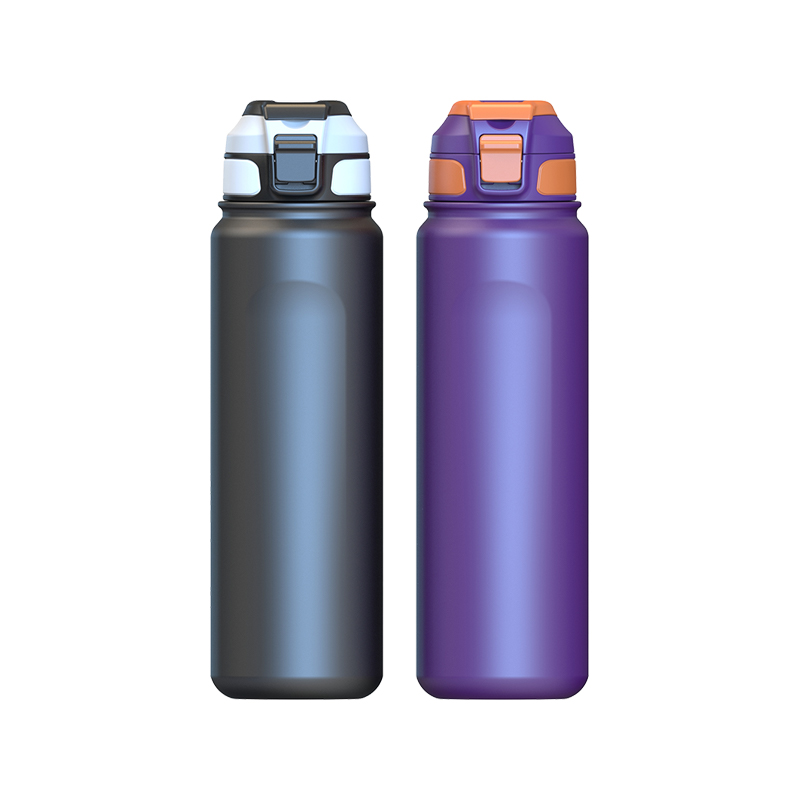 700ml Stainless Steel Sports Fitness Insulated Water Bottle With Portable Drink Lid Multifunctional Straw Thermos Cup
-
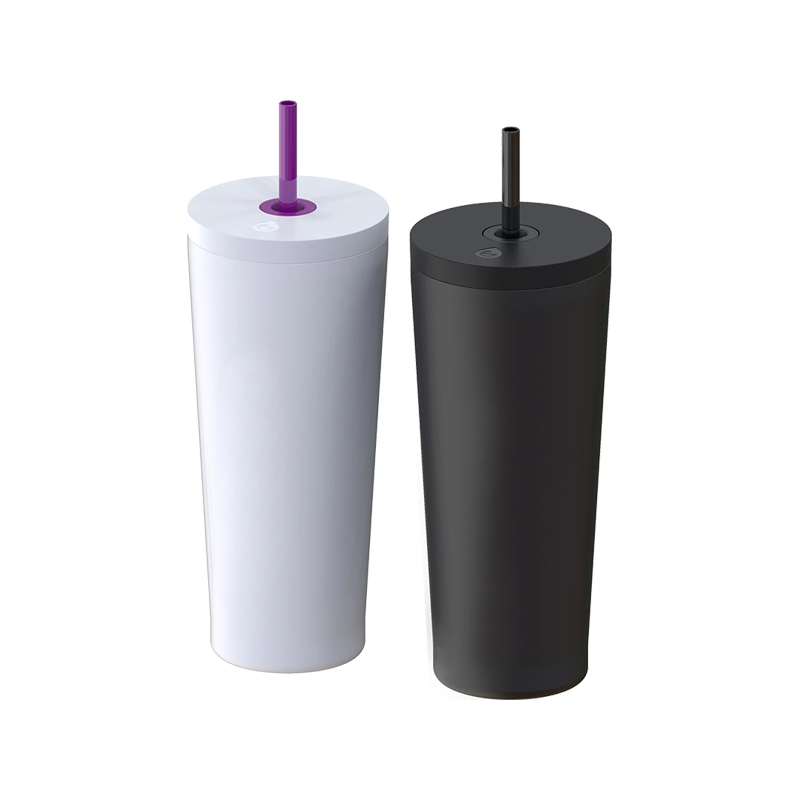 24oz Double Layer 304 Stainless Steel Travel Vacuum Insulated Tumbler 700ml Drink Straw Cup With Internal Screw Cover
-
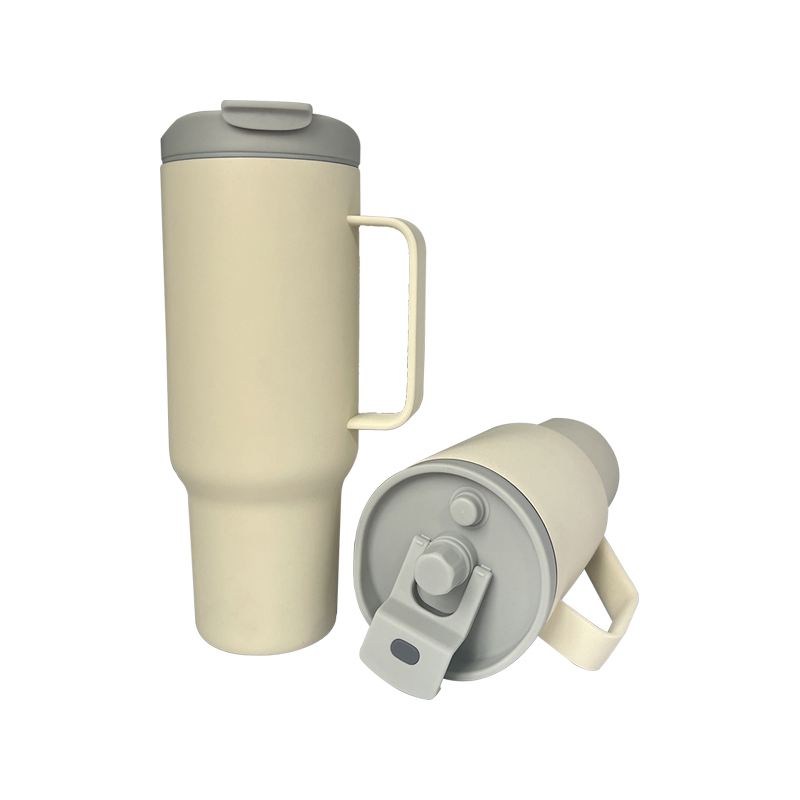 40oz 1200ml Double Wall Stainless Steel Travel Vacuum Insulated Tumbler with Double Magnetic Attraction Lid
How Should Buyers Evaluate a Workout Water Bottle With Straw?
Fitness retailers and gym equipment distributors sourcing a workout water bottle with straw for the initial time often assume the category is interchangeable with a general sports bottle, only to discover during the opening bulk shipment that straw-specific failure points create a distinct set of quality risks a standard bottle spec sheet doesn't address.
Does the Straw Valve Hold Up to Repeated Bite-and-Release Cycles?
A workout water bottle with straw gets opened and bitten down on far more frequently during a single workout session than a standard twist-cap bottle gets opened throughout an entire day, and the small silicone valve at the straw tip needs to tolerate that repeated flexing without splitting along its seam. Buyers should ask suppliers for cycle-testing data on the valve specifically, since this component fails independently of the bottle body and rarely gets the same scrutiny during a standard quality inspection focused mainly on the main container.
Is the Straw Length Matched to Bottle Height for Each Capacity Variant?
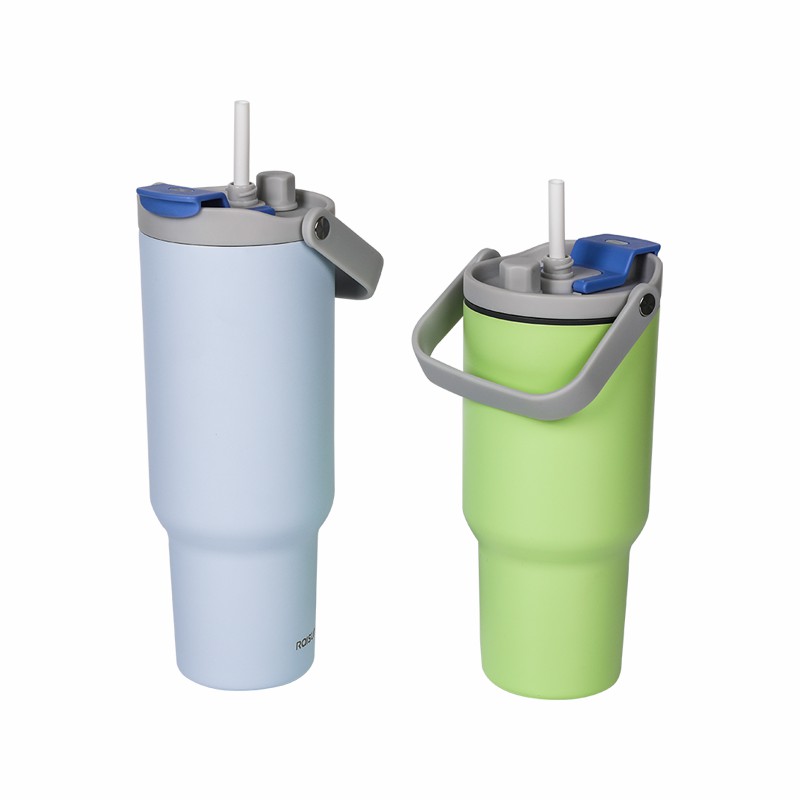
A straw cut for the wrong bottle height leaves liquid pooling at the base that's difficult to draw up through the straw and awkward to clean thoroughly between uses. Suppliers producing a workout water bottle with straw across multiple capacity variants need separate straw-length tooling matched to each size rather than trimming a single standard length by hand across different bottle heights, since hand-trimming introduces inconsistency that shows up as customer complaints about the straw not reaching the bottom of larger capacity units.
|
Vetting Question |
What a Reliable Supplier Should Confirm |
|
Straw valve cycle testing |
Data from repeated bite-and-release testing, not just static pressure checks |
|
Straw length per capacity |
Dedicated tooling per size, not hand-trimmed |
|
Material used for straw and valve |
Food-grade, separately certified from the bottle body |
|
Leak testing orientation |
Tested sideways and upside-down, not just upright |
Does Certification Cover the Straw Assembly Separately From the Bottle Body?
Food-contact safety certification often names only the primary bottle material, leaving the straw and valve assembly undocumented even though these are frequently molded from a different material or sourced from a separate sub-supplier. Buyers importing a leak-proof straw lid design into regulated markets should confirm that certification paperwork explicitly names the straw and valve materials, since a compliance gap in this smaller component is a common and avoidable source of customs delays.
Is the Bottle Material Actually Suited to Gym and Outdoor Use?
A BPA-free sports bottle built from a lower-grade plastic can develop cloudiness or odor retention faster under repeated dishwasher cycles and direct sunlight exposure than one built from a higher-grade resin, even when both pass an initial BPA-free compliance test. Buyers sourcing for gym retail or fitness event giveaway programs, where bottles see frequent washing and outdoor exposure, should ask about resin grade specifically rather than treating BPA-free status as the only material question worth asking.
Does a Wide-Mouth Opening Actually Simplify Cleaning as Claimed?
A wide-mouth water bottle opening is often marketed as an easy-cleaning feature, but the straw and valve assembly sitting inside that opening can still trap moisture and residue in places a simple wipe-down or dishwasher cycle doesn't fully reach. Buyers should ask whether the straw assembly is fully removable for manual cleaning, since a wide mouth on the bottle body alone doesn't guarantee the straw component itself is easy to maintain hygienically over repeated use.
Does the Bottle Hold Up to Chlorine and Sports Drink Exposure Equally Well?
A workout water bottle with straw frequently carries more than plain water — electrolyte powders, chlorinated pool water for swim training, or protein shakes that leave residue in ways plain water never does. Some plastic resins that pass initial food-safety testing with water still degrade or discolor faster under repeated chlorine or acidic sports drink exposure. Buyers stocking for swim programs or general fitness retail should ask suppliers whether resin testing accounts for these specific exposure conditions, since a bottle validated only against water doesn't necessarily reflect how it performs against what gym-goers actually put inside it.
How Does the Supplier Handle Straw Replacement for Long-Term Customers
Straw and valve components wear out well before the bottle body itself in normal use, and buyers supplying gyms or fitness retailers with a workout water bottle with straw line should ask whether replacement straw and valve kits are available as a standalone accessory. A supplier offering replacement parts extends the useful life of the primary bottle for end users and gives distributors a recurring accessory sales opportunity, while a supplier that only sells complete units forces end customers to discard an otherwise functional bottle over a single worn component. A custom logo drinkware supplier that also stocks these replacement parts under the same branding program gives distributors a cleaner story to tell retail accounts than sourcing accessories separately.
What Leak Testing Orientation Actually Reflects Gym Bag Conditions?
A bottle tested only upright on a lab bench doesn't reflect how it actually travels inside a gym bag, tossed in alongside towels, shoes, and other equipment at unpredictable angles. Suppliers testing a workout water bottle with straw sideways and upside-down, under simulated jostling rather than static positioning alone, catch leak points around the straw base and lid seal that upright testing routinely misses. Buyers should specifically ask which orientations a supplier's standard leak test protocol covers before assuming a passed test reflects how the bottle will perform once it's actually being carried around a gym floor.
-
Tel
+86-579-87252573
-
Fax
+86-579-87510911
-
Mobile
+86-15157970274
Follow
Factory Address
NO.3 Weier East Road, Hardware Industrial Zone, Tongqin Town, Wuyi County, Jinhua City, Zhejiang Province, China
If You Have Any Query
Send Message
Copyright © Zhejiang Linghong lndustry & Trade Co., Ltd. All Rights Reserved.

Stainless Steel Bottle Factory