

 English
 русский
 Français
 Español
-
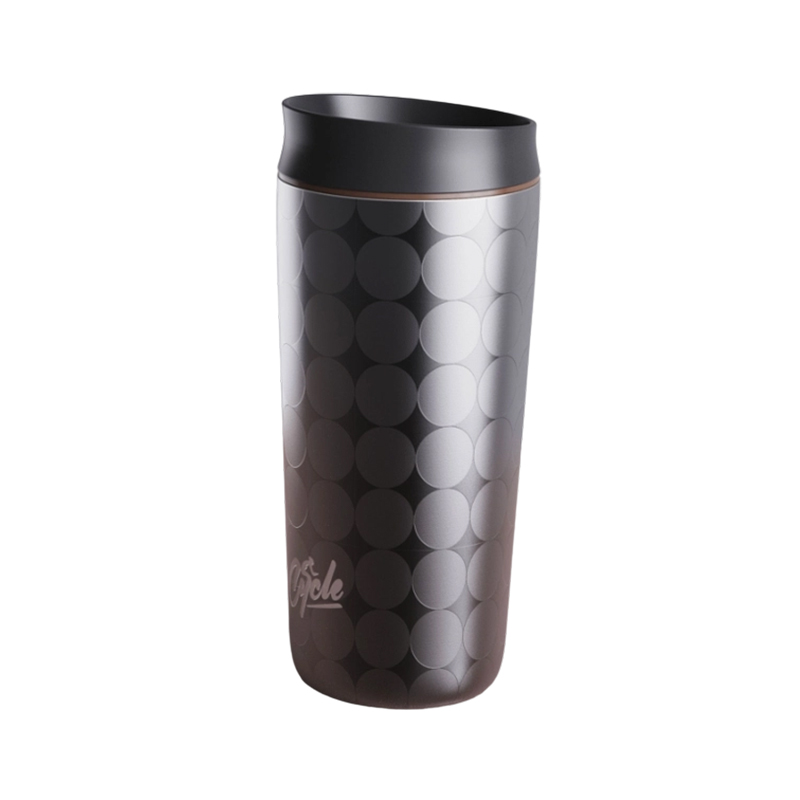 Switchable Dual-Function Lid Coffee Mug
-
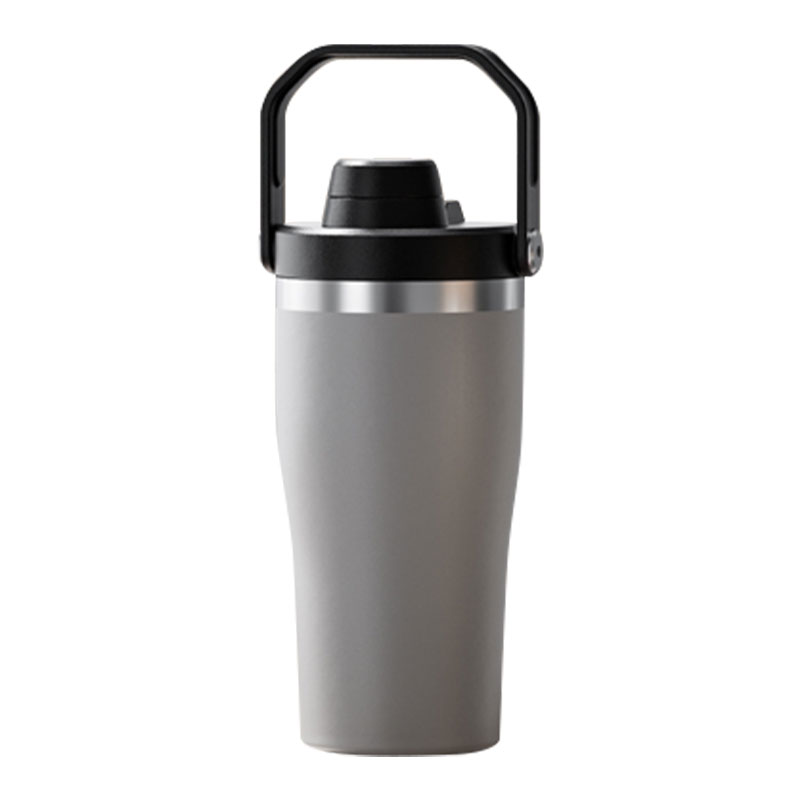 Portable Stainless Steel Mini Ice Bucket
-
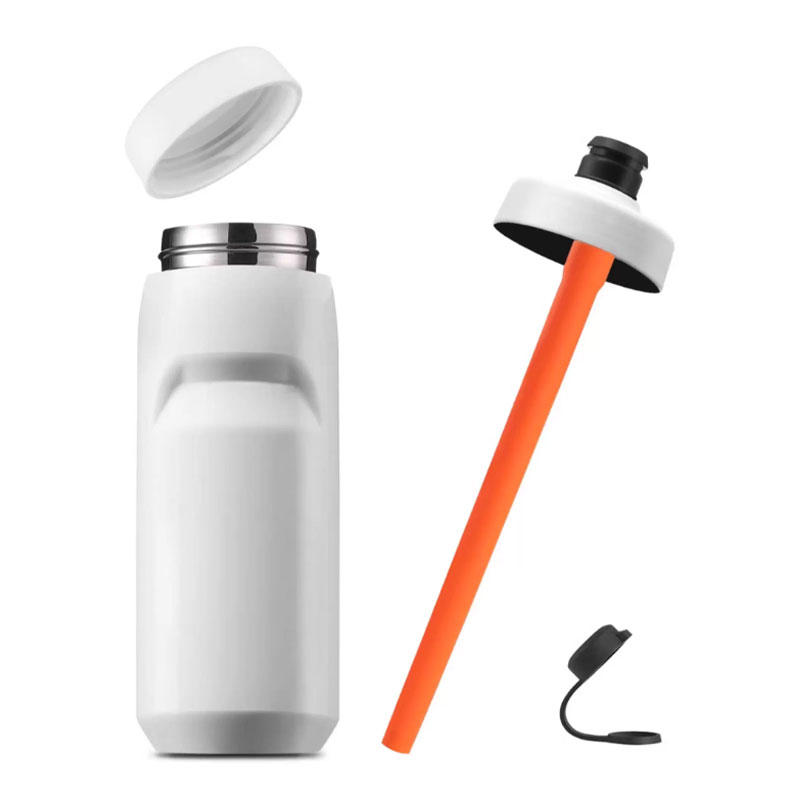 Concave-Designed Sports Water Bottle
-
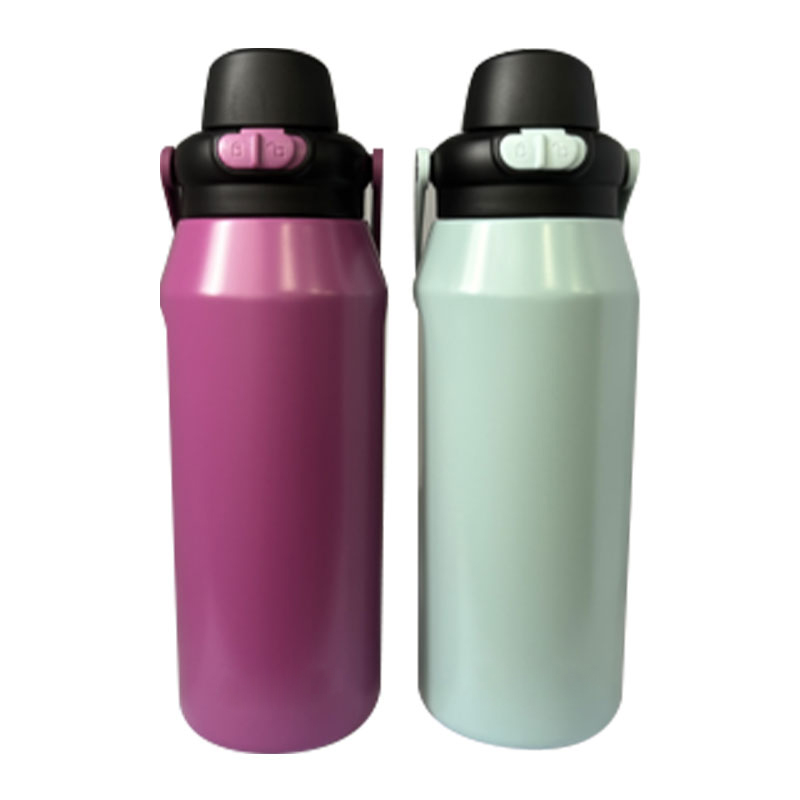 Wide-Mouth Flip Lid Sports Bottle
-
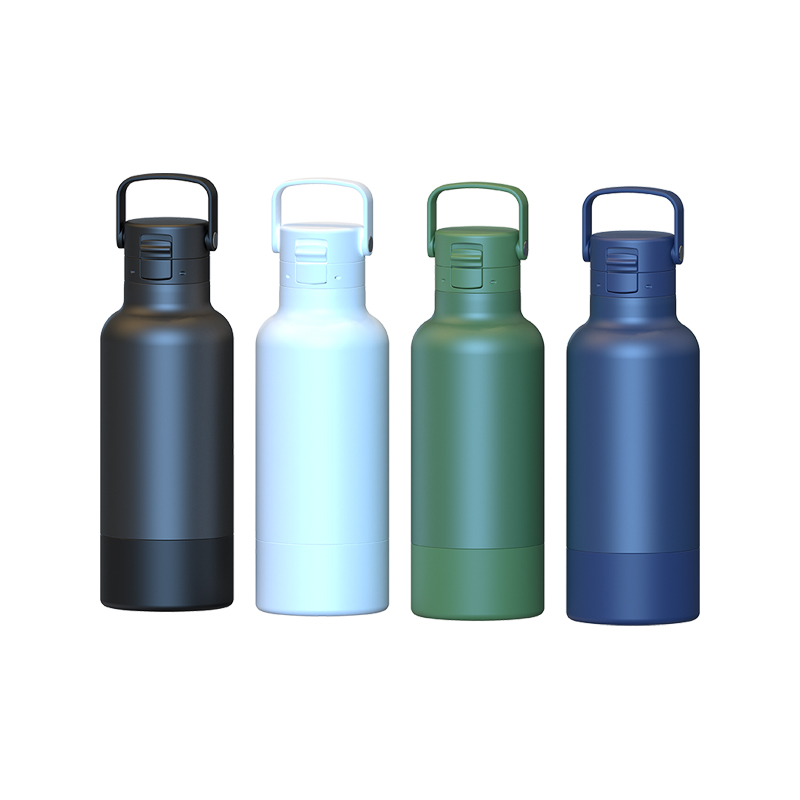 750ml Stainless Steel Flask Foldable Handle Portable Camping Sports Water Bottle
-
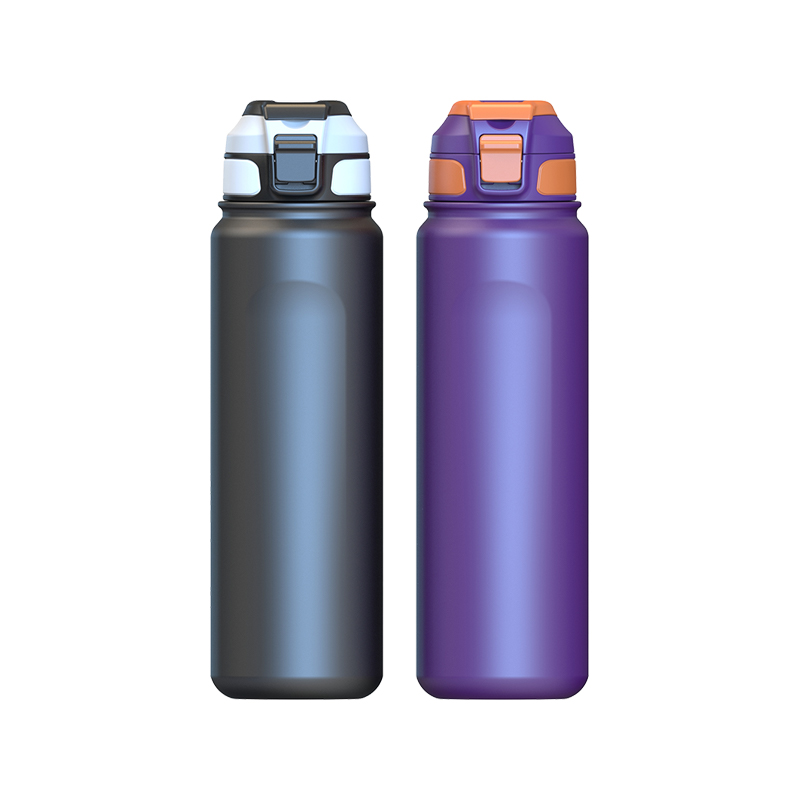 700ml Stainless Steel Sports Fitness Insulated Water Bottle With Portable Drink Lid Multifunctional Straw Thermos Cup
-
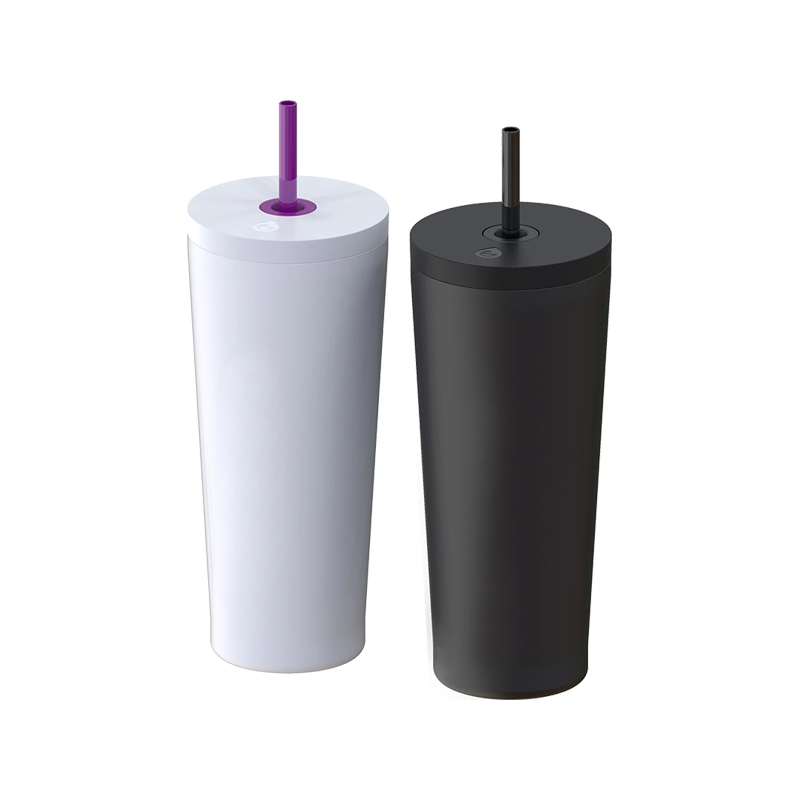 24oz Double Layer 304 Stainless Steel Travel Vacuum Insulated Tumbler 700ml Drink Straw Cup With Internal Screw Cover
-
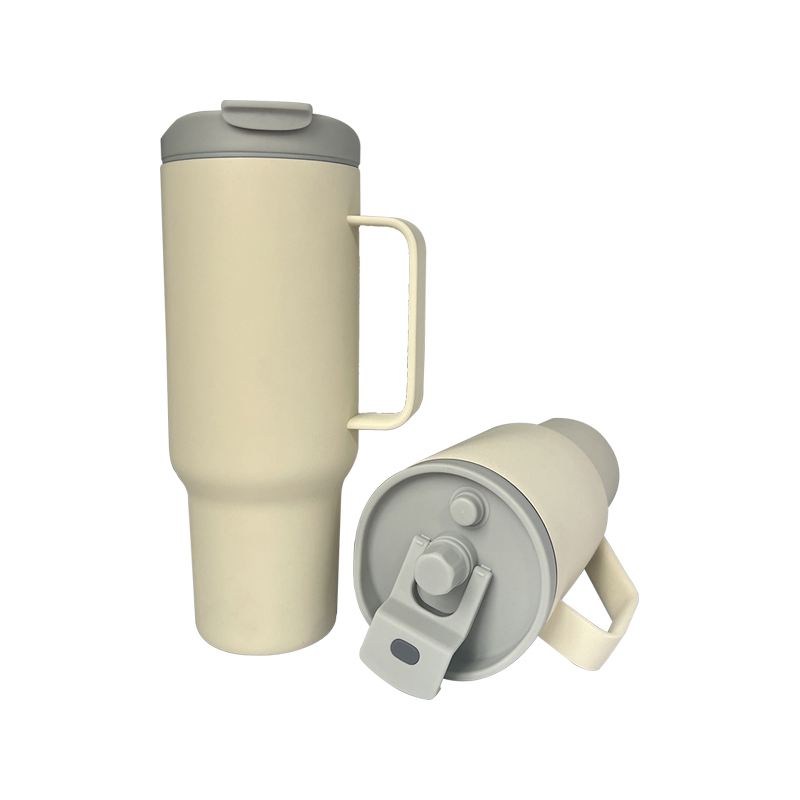 40oz 1200ml Double Wall Stainless Steel Travel Vacuum Insulated Tumbler with Double Magnetic Attraction Lid
Vacuum Flask Pot Vacuum Sealing Process Affects Heat Retention
A Vacuum Flask Pot that holds heat for six hours on the factory test bench can drop to four hours within a year if the vacuum seal degrades faster than the warranty period assumes. The vacuum layer between the inner and outer walls does the actual insulating work, and how thoroughly that space gets evacuated during production determines how long the flask performs at its rated capacity.
Evacuation And Pump-Out Timing
Before the outer shell of a Vacuum Flask Pot gets sealed, factories draw air out of the gap between the two stainless steel walls through a small pump-out port, typically pulling the space down to a fraction of standard atmospheric pressure. Rushing this evacuation stage leaves residual air molecules trapped in the cavity, and even a small amount of remaining air conducts heat far more efficiently than a proper vacuum, undermining insulation performance from the moment the flask leaves the factory. Manufacturers producing a Vacuum Flask Pot at scale typically hold the evacuation cycle for a fixed duration measured against the specific wall geometry, since a taller or wider cavity needs proportionally longer pump-out time to reach target vacuum pressure.
Weld Seam Quality At The Neck Joint
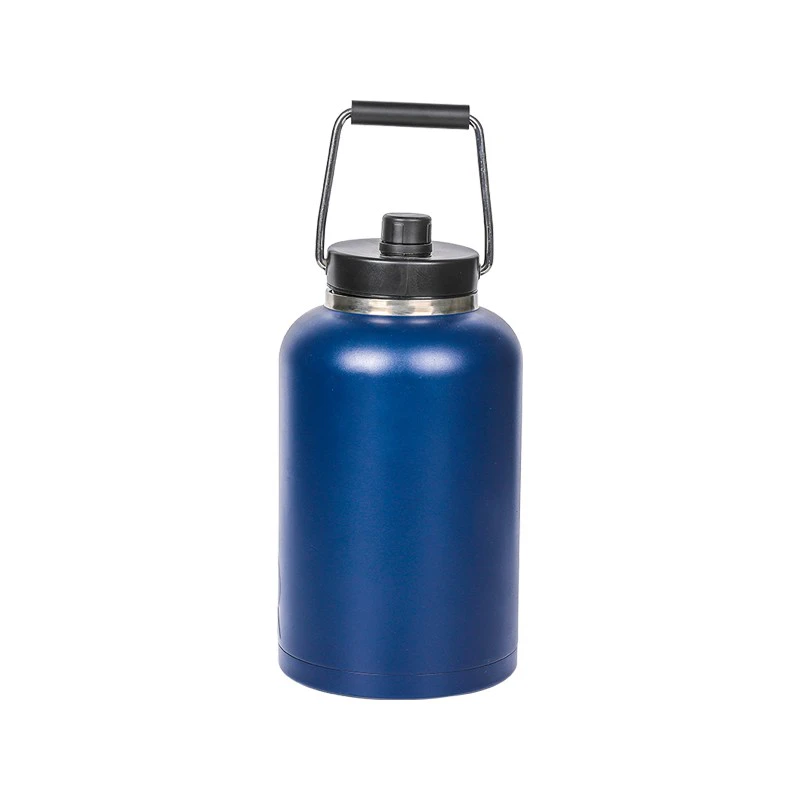
The neck joint, where the inner and outer walls meet near the opening, carries more mechanical stress than any other point on a Vacuum Flask Pot and represents the most common location for a vacuum seal failure to originate. Laser welding produces a narrower, more consistent seam than older TIG welding methods, reducing the microscopic porosity that can slowly let air back into the vacuum cavity over months of use. Suppliers running quality checks on double-wall stainless steel construction typically pressure-test the neck seam separately from the rest of the flask body, since a seam that passes general leak testing can still develop a slow vacuum loss specifically at the weld line under repeated thermal cycling.
Vacuum Degree And Heat Retention Testing
Vacuum degree, measured in units of residual pressure inside the cavity, correlates directly with how long a Vacuum Flask Pot holds temperature, and factories verify this relationship through standardized retention testing rather than relying on vacuum pressure readings alone. A flask filled with boiling water and left sealed for a fixed period should show temperature loss within a specific range if the vacuum layer meets specification; a result outside that range signals either insufficient evacuation or a seal beginning to fail. Testing double-wall stainless steel flasks at multiple points across a production batch, rather than a single sample, catches inconsistencies that stem from pump-out timing drift on an aging vacuum line.
Lid Sealing Mechanism
The lid contributes a separate sealing function from the vacuum cavity itself, and buyers evaluating a Vacuum Flask Pot for spill resistance typically check several lid-specific details:
- Gasket material and its resistance to compression set after repeated opening and closing
- Threading tolerance between the lid and the flask's mouth, affecting how evenly the gasket compresses
- Whether the lid design includes a secondary seal for added spill resistance during transport
- Gasket replaceability, since a worn gasket is a common cause of gradual heat loss unrelated to the vacuum layer itself
A tight-fitting lid reduces heat escaping through the opening, but it does not compensate for a weak vacuum seal elsewhere in the flask body, which is why buyers sourcing for demanding markets usually request vacuum degree data separately from lid seal test results.
Production QC For Vacuum Integrity
Factories producing a Vacuum Flask Pot at volume typically run a helium leak test on a sample from each production batch, since helium molecules are small enough to reveal microscopic seal defects that standard air-pressure testing would miss entirely. Double-wall stainless steel shells that pass initial evacuation but fail helium testing usually trace back to a weld inconsistency rather than a problem with the vacuum pump itself, which is why factories track weld parameters and vacuum readings as separate data points rather than treating sealing as a single pass-or-fail step. Batches showing vacuum degradation during accelerated aging tests, where flasks are cycled through repeated heating and cooling before retesting, help factories catch seal weaknesses before a full production run ships to distributors.
-
Tel
+86-579-87252573
-
Fax
+86-579-87510911
-
Mobile
+86-15157970274
Follow
Factory Address
NO.3 Weier East Road, Hardware Industrial Zone, Tongqin Town, Wuyi County, Jinhua City, Zhejiang Province, China
If You Have Any Query
Send Message
Copyright © Zhejiang Linghong lndustry & Trade Co., Ltd. All Rights Reserved.

Stainless Steel Bottle Factory