

 English
 русский
 Français
 Español
-
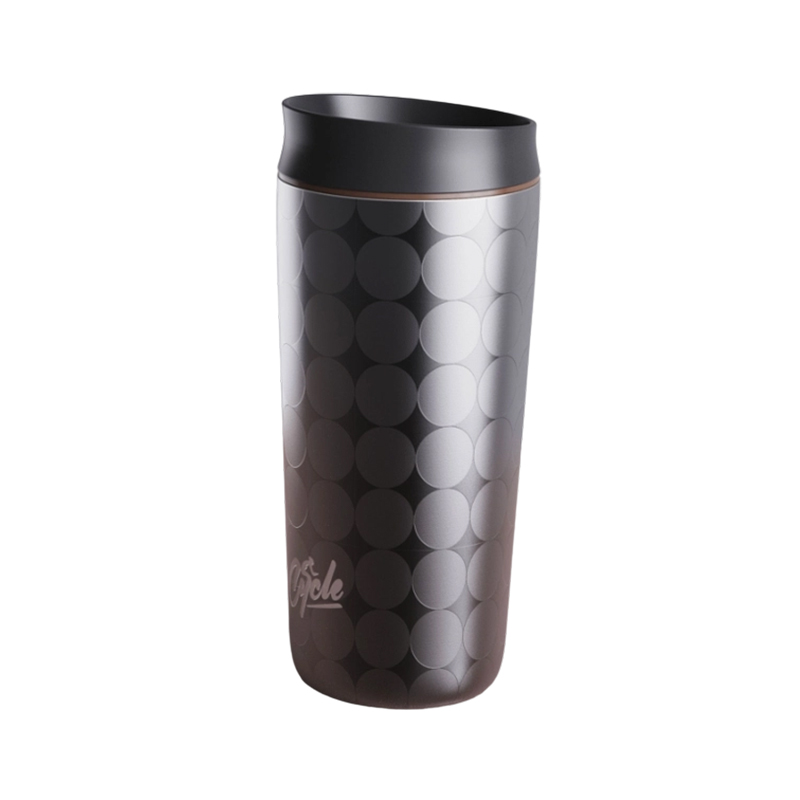 Switchable Dual-Function Lid Coffee Mug
-
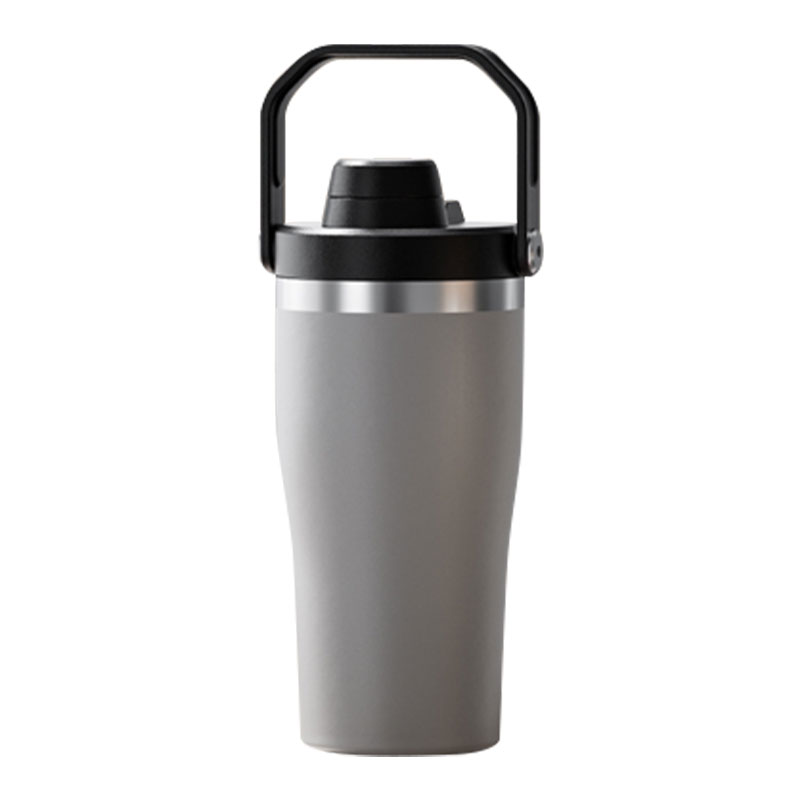 Portable Stainless Steel Mini Ice Bucket
-
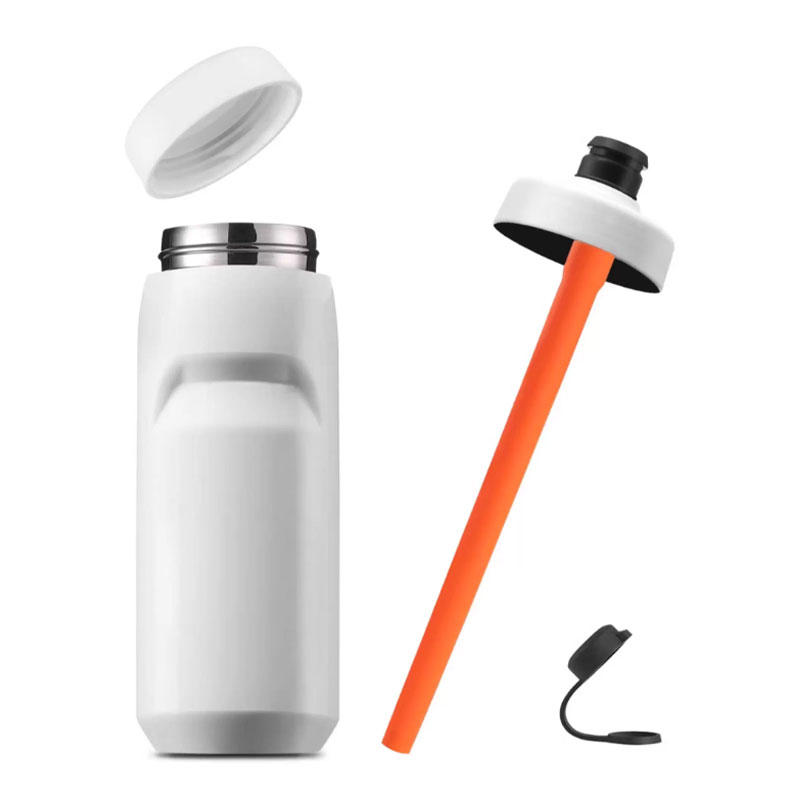 Concave-Designed Sports Water Bottle
-
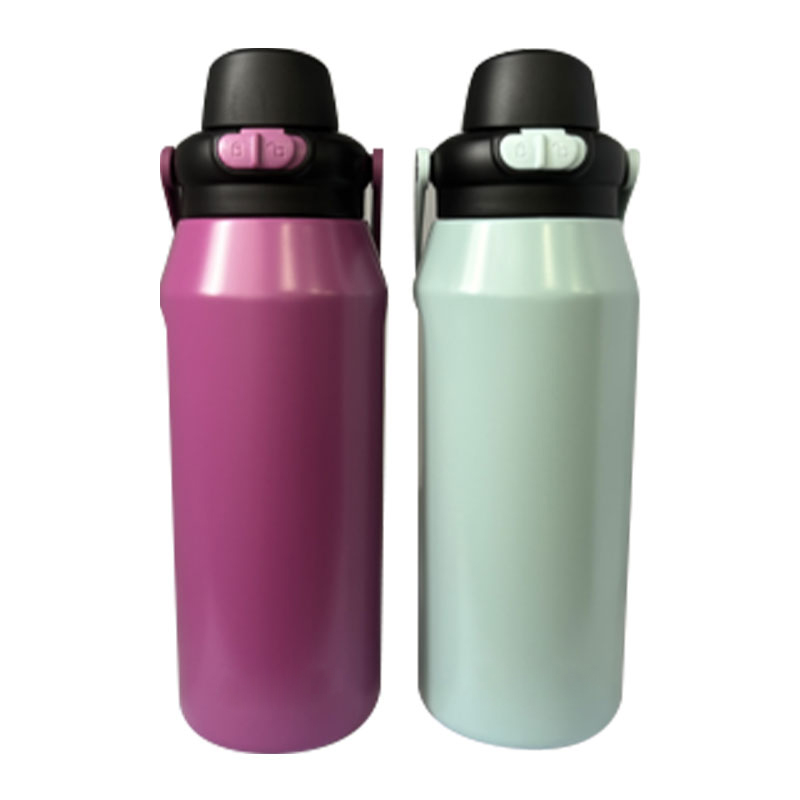 Wide-Mouth Flip Lid Sports Bottle
-
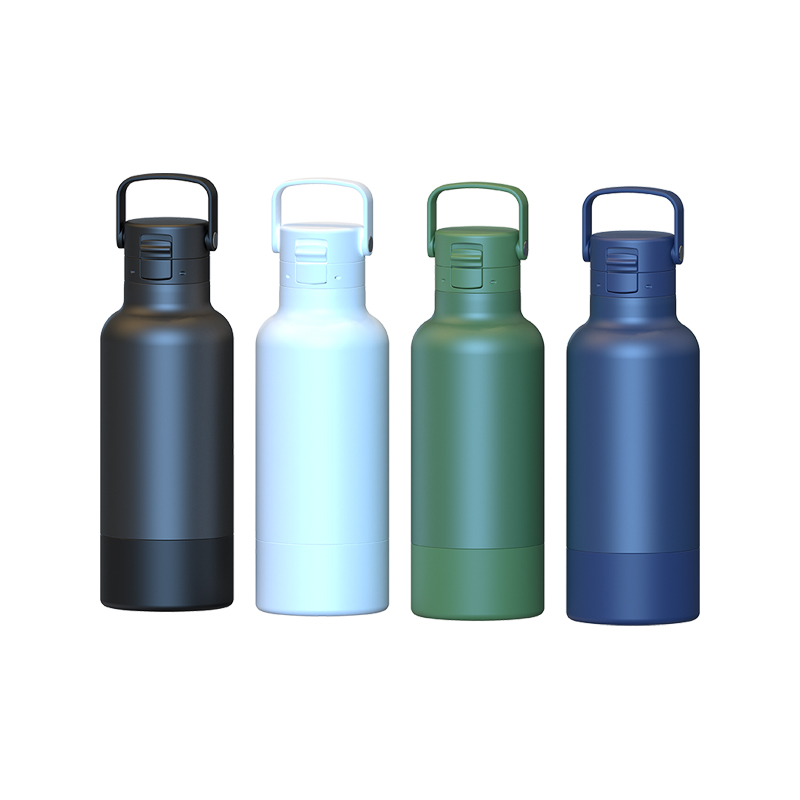 750ml Stainless Steel Flask Foldable Handle Portable Camping Sports Water Bottle
-
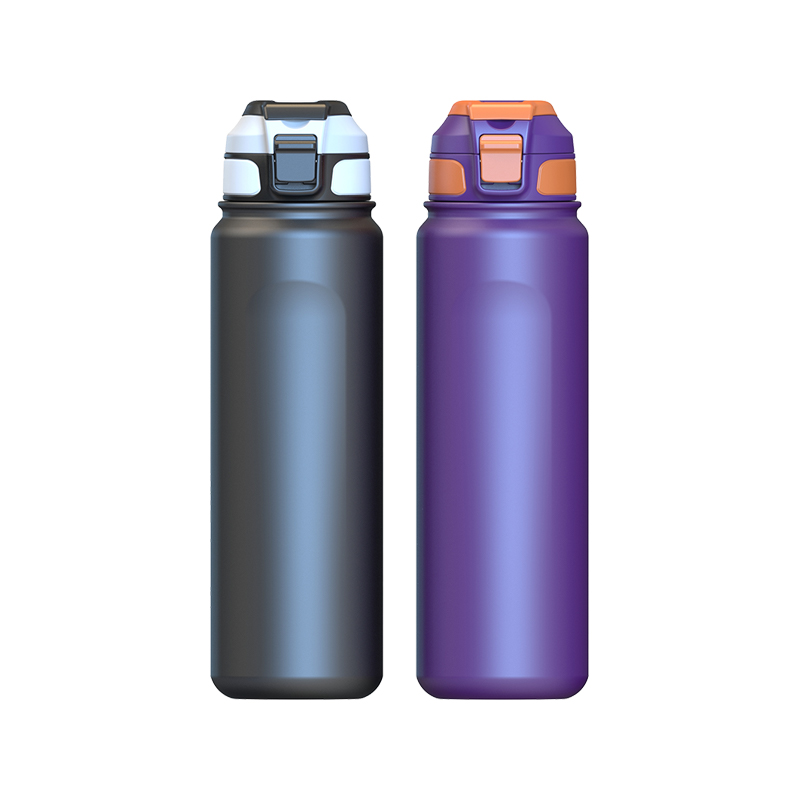 700ml Stainless Steel Sports Fitness Insulated Water Bottle With Portable Drink Lid Multifunctional Straw Thermos Cup
-
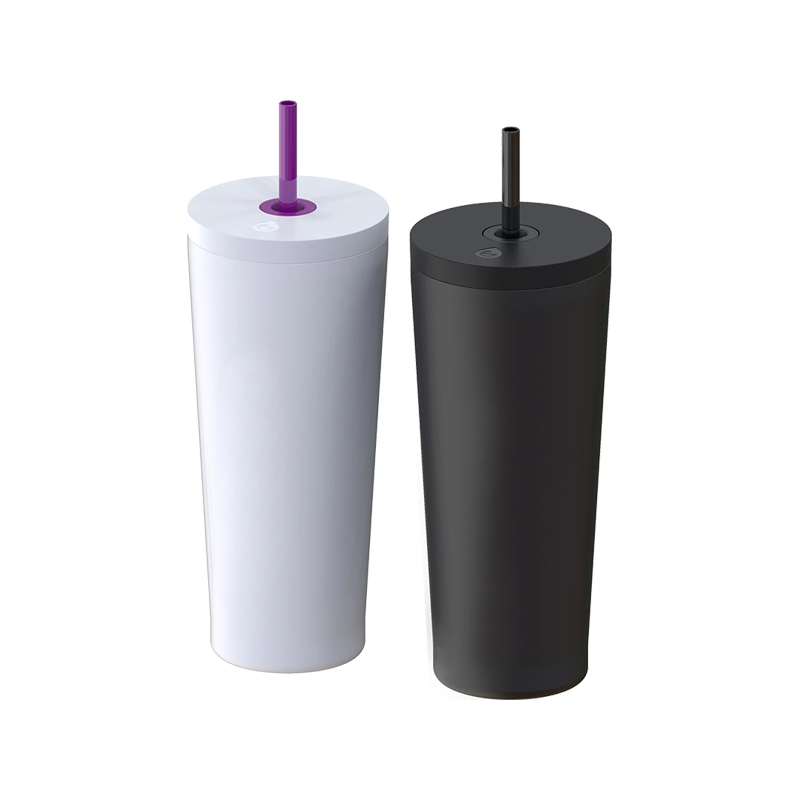 24oz Double Layer 304 Stainless Steel Travel Vacuum Insulated Tumbler 700ml Drink Straw Cup With Internal Screw Cover
-
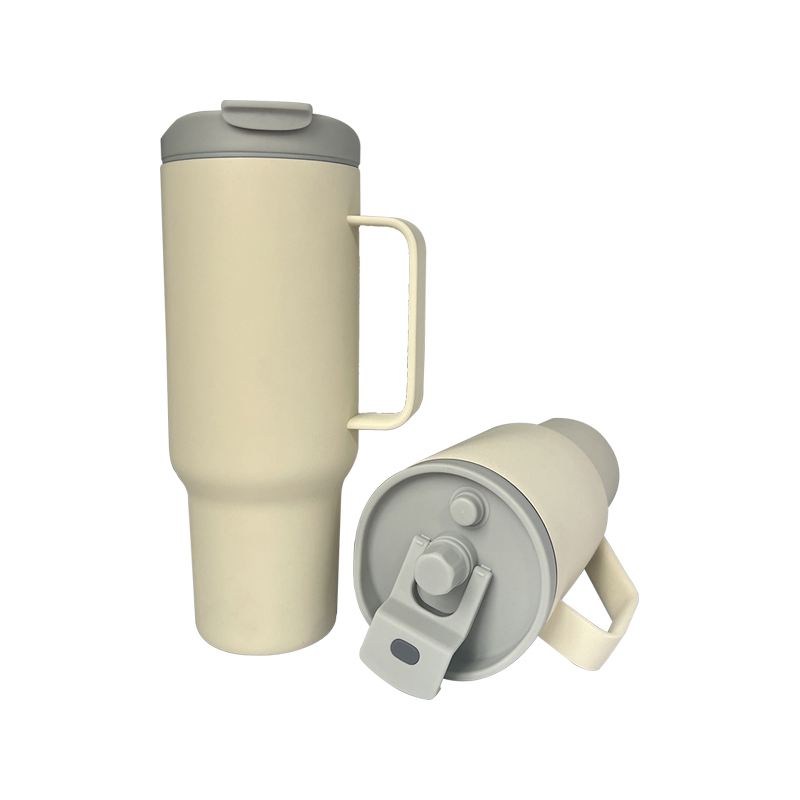 40oz 1200ml Double Wall Stainless Steel Travel Vacuum Insulated Tumbler with Double Magnetic Attraction Lid
Small Sports Bottle Demand Rises With Youth Fitness Trends
Youth sports leagues and school athletics programs have been driving a noticeable shift in bulk drinkware orders over recent seasons: distributors report growing demand for a small sports bottle sized specifically for younger athletes, rather than scaled-down versions of adult sports bottles that simply shrink the same design without rethinking proportions.
Youth Sports Participation Growth Is Changing Bulk Order Profiles
School athletics programs and youth recreational leagues have expanded participation numbers in many regions over recent years, and equipment suppliers serving these programs report that bottle orders increasingly specify capacity and grip dimensions sized for smaller hands rather than simply ordering a scaled-down adult product. A small sports bottle built around actual child hand-span measurements, rather than a proportionally shrunk adult mold, grips more securely during active play and reduces the drop-and-crack complaints that surface when adult-proportioned bottles get handed to younger users.
Grip Diameter and Weight Matter More Than Capacity for This Buyer Segment
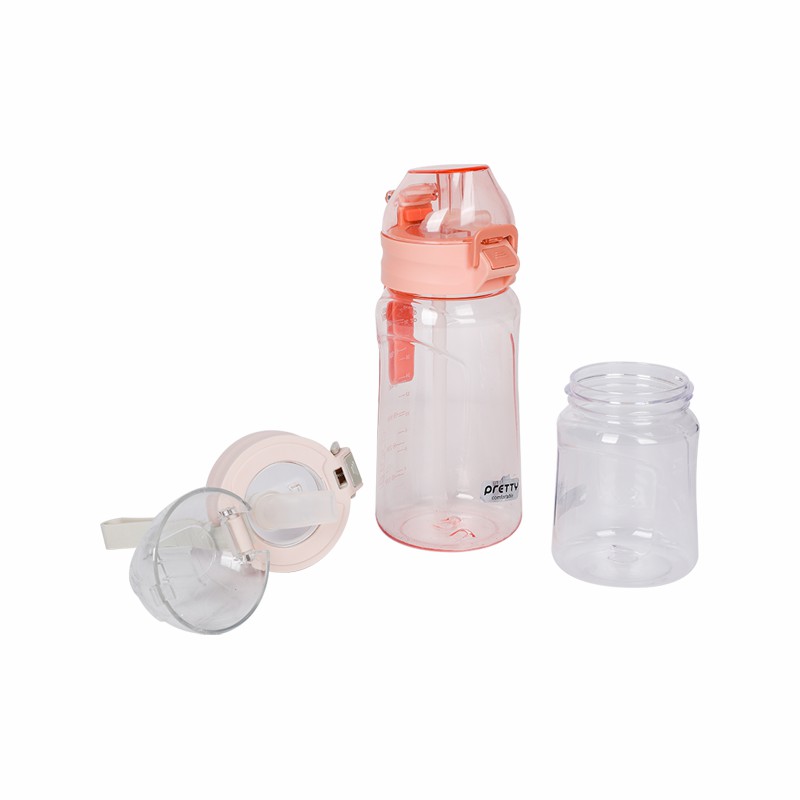
Distributors sourcing for this category report that grip diameter and empty bottle weight influence purchasing decisions more heavily than total liquid capacity, since a bottle too heavy or too wide for a small hand gets dropped and damaged regardless of how much water it holds. A kids water bottle manufacturer designing around these ergonomic factors specifically — rather than treating child sizing as simply "smaller capacity" — produces a product that better withstands the handling patterns typical of youth sports settings.
|
Design Consideration |
Adult Sports Bottle |
Small Sports Bottle for Youth |
|
Grip diameter |
Sized for adult hand span |
Sized for smaller hand span |
|
Typical capacity |
500ml–1000ml |
300ml–500ml |
|
Weight when empty |
Heavier, less of a concern for adults |
Lighter, reduces drop damage |
|
Common failure mode if mis-sized |
Rare |
Dropped and cracked from oversized grip |
Material Safety Scrutiny Runs Higher in This Category Than in General Retail
Parents and school procurement buyers apply more scrutiny to food-grade bottle material documentation for a small sports bottle in the youth category than general consumer buyers typically do for adult drinkware, since the end user is a child and the buying decision often involves institutional purchasing processes with formal compliance requirements. Suppliers should expect requests for specific test reports and material composition data more frequently in this segment, and should have that documentation ready at the SKU level rather than only at the general product-line level.
Lightweight Construction Extends Beyond Comfort Into Practical Durability
A lightweight sports bottle for kids isn't just easier to carry — it also survives drops better in some respects, since a lighter bottle generates less impact force when dropped from the same height compared with a heavier equivalent, all else being equal. Manufacturers optimizing wall thickness and material choice specifically for this weight-and-durability balance, rather than simply using thinner walls across the board to cut weight, produce bottles that hold up better to the repeated drops typical of youth handling without sacrificing structural integrity at the base or lid seam.
Customization for This Segment Concentrates Around Team Colors and Mascots
Buyers ordering customizable kids drinkware for school athletics programs or youth leagues commonly request team color matching and mascot printing rather than structural product changes. A supplier capable of matching specific Pantone colors consistently across a large order — rather than approximating team colors from a limited standard palette — tends to win repeat business from school district and league accounts that reorder the same specifications across multiple seasons and grade levels.
Straw and Spout Options Should Reflect Actual Age Range, Not a Single Default
A small sports bottle aimed at a six-year-old and one aimed at a twelve-year-old face very different practical requirements, even though both fall under a broad "kids" category on a supplier's product menu. Younger children often manage a straw or soft spout more easily than a standard sports bottle nozzle requiring a firm bite-and-suck motion, while older kids in competitive youth sports generally handle a standard push-pull nozzle without difficulty. Suppliers offering a spout style selection tied to a specified age bracket, rather than a single generic mouthpiece across the entire kids' line, give buyers a more precise match to the actual end users a given order is intended for.
Bulk Order Sizing Should Reflect Team Roster Patterns, Not Round Numbers
School and league buyers ordering a small sports bottle in bulk often need order quantities that map to roster sizes across multiple teams and grade levels rather than convenient round numbers, and a supplier flexible enough to fulfill orders in odd quantities — say, matching an exact roster count of 17 rather than rounding up to 20 — reduces waste and unnecessary spend for institutional buyers working within a fixed athletics budget. Buyers should ask whether minimum order quantities are strictly enforced per color or whether mixed-color bulk orders below a single-color minimum can still be accommodated.
Drop Testing Standards for This Category Should Reflect Realistic Playground Heights
A small sports bottle dropped from a school locker shelf or tossed across a gym floor experiences impact conditions different from the standard drop-test heights used for general consumer drinkware testing. Manufacturers testing specifically at heights and surfaces representative of school and playground environments — concrete, gym flooring, typical locker heights — give buyers more confidence that published durability claims reflect how the product will actually be treated once it's in the hands of its intended young users, rather than reflecting a generic industry-standard drop height that may not match real-world handling conditions for this age group.
-
Tel
+86-579-87252573
-
Fax
+86-579-87510911
-
Mobile
+86-15157970274
Follow
Factory Address
NO.3 Weier East Road, Hardware Industrial Zone, Tongqin Town, Wuyi County, Jinhua City, Zhejiang Province, China
If You Have Any Query
Send Message
Copyright © Zhejiang Linghong lndustry & Trade Co., Ltd. All Rights Reserved.

Stainless Steel Bottle Factory